Senior Medication Management: Complete Caregiver Guide to Safe, Simple, Stress-Free Meds


Senior medication management gets harder with age because many people take several medicines at once, deal with new side effects, and miss doses when routines change. A clear system lowers stress and helps your loved one stay safe and independent. This guide gives you a simple plan for senior medication management, plus tools, checklists, templates, and clear red flags so you know when to call a pharmacist or clinician. You can start today in minutes and keep improving week by week with a routine that works in real life. Senior medication management does not need to feel confusing.
Table of Contents
What you’ll learn
- How to build a complete medication list fast
- How to set a daily, weekly, and monthly routine
- Which tools help most, and when to use them
- How to prevent common medication mistakes at home
- What warning signs mean you should get help right away
What Is Senior Medication Management?

Definition
Senior medication management is a simple way to help an older adult take the right medicines, at the right time, in the right way. It covers how you organize pills, track changes, prevent mix ups, and keep a clear medication list that everyone can trust. Good senior medication management also means checking for problems early, like side effects, missed doses, or unsafe combinations with over the counter meds and supplements.
This section can link naturally to Top Automatic Pill Dispensers for Seniors, Home Health Care for Seniors, and Senior Care Services to reinforce safer medication routines, caregiver support at home, and practical systems that make daily meds easier to manage.
Why it matters
Medicines can support health, but mistakes can cause serious harm. Senior medication management helps lower the risk of medication errors, drug interactions, and repeated hospital visits. It also supports independence, because a steady routine makes it easier for a senior to stay confident and safe at home. When you use senior medication management, you reduce stress for the whole family because you know what is taken and why.
Who it’s for
This guide is for seniors who want a smoother routine, family caregivers who handle daily support, and home aides who help with reminders and organization. It also helps anyone who joins medical visits, refills prescriptions, or updates the medication list. If your loved one takes more than one medicine, has memory changes, or recently started a new drug, senior medication management becomes especially important.
The Biggest Medication Risks for Older Adults
Polypharmacy and duplicate therapies
When a person takes many prescriptions, it is easier to end up with two medicines that do the same job. This can happen after a new specialist visit or a hospital stay. Senior medication management helps you spot duplicates early by keeping one updated medication list and checking changes each time a new drug is added.
Side effects that look like aging
Some medicine side effects can look like normal aging. Common examples include dizziness, confusion, sleepiness, constipation, and low appetite. If these symptoms start after a new prescription or a dose change, treat them as a possible medication issue. Senior medication management makes this easier because you track what changed and when.
Drug interactions with Rx, OTC, and supplements
Older adults often take over the counter pain relievers, cold medicines, vitamins, or herbal products. These can interact with prescriptions and raise risk. Senior medication management means you list everything, not just prescriptions, so a pharmacist or clinician can check for unsafe combinations.
Transitions of care after hospital or ER
After a hospital stay, medication changes happen fast. Doses may change, new drugs may be added, and old ones may be stopped. Confusion is common in the first week home. Senior medication management lowers risk by using a clear process to compare the old list with the new list and confirm what to keep.
Quick warning signs to watch for
- A new fall, fainting, or sudden weakness
- New confusion, agitation, or extreme sleepiness
- Rash, swelling, or trouble breathing
- Chest pain or severe shortness of breath
- Vomiting that will not stop, or signs of dehydration
- A new medicine started in the last 7 to 14 days and symptoms get worse
Start Here: Build a Perfect Medication List in 10 Minutes
A complete medication list is the fastest win in senior medication management. It reduces confusion, speeds up appointments, and helps a pharmacist spot problems. Use this simple 10 minute setup, then update it every time something changes.
What to include (must have fields)
Write or type one line per item. Keep the wording clear and consistent. For safe senior medication management, include all of these:
- Medication name: brand and generic if you know it
- Dose: strength and how much is taken
- Timing: exact times or a simple schedule like morning, noon, evening, bedtime
- Purpose: what it is for in plain words
- Prescriber: name and clinic if possible
- Pharmacy: name, phone number, and location
- Start date: when it was started and any recent dose change date
- Directions: with food, avoid grapefruit, do not crush, and similar label notes
- Refill info: refills left and next refill date
- Notes: side effects to watch, or what to do if a dose is missed if the label says it
Do not forget non prescription items. Strong senior medication management always includes:
- Over the counter meds like pain relievers, allergy pills, heartburn meds, and sleep aids
- Vitamins and supplements, including herbal products and gummies
- Topical creams, eye drops, inhalers, and injections
- Allergies and past bad reactions, with the date if you know it
Printable templates you can use
To make senior medication management easier, keep three simple pages you can print or store on a phone:
- Medication List, one page
- Clean rows for each medicine
- Space for prescriber, pharmacy, and notes
- Weekly Medication Log
- Day by day check boxes for each dose time
- Space to note missed doses or side effects
- Doctor and Pharmacist Question Checklist
- A short list you bring to visits so you do not forget key questions
Where to keep it
Your list only helps if it is easy to find. For reliable senior medication management, keep copies in three places:
- Wallet or purse: a folded paper copy
- Fridge: a clear page in a visible spot
- Phone: a photo or a note that can be shared quickly
Tip: Bring the list to every appointment and every hospital visit. It is one of the most practical steps in senior medication management, and it makes follow up care much safer.
Set Up a Simple Medication Management System (Daily, Weekly, Monthly)
A system beats willpower. In senior medication management, the goal is to make the right action feel automatic, even on busy or stressful days. Use the same steps every day, then do a short reset each week and a deeper check once a month. This routine keeps meds organized, lowers missed doses, and makes changes easier to handle.
Daily routine (5 minute method)
Pick one home base spot for medicines, away from heat and humidity, and easy to see. Then use time anchors that already happen every day.
- Keep meds in the same place every day
- Link doses to meals or bedtime, not to memory
- Use a simple checkoff method after each dose
- Look at today’s schedule once in the morning
- Do a quick evening scan to confirm nothing was missed
Time estimate: 5 minutes per day
This daily rhythm is the core of senior medication management because it reduces decision fatigue. You are not guessing. You are following a small script.
Weekly routine (15 minutes)
Choose one day and one time each week. Many caregivers pick Sunday evening or Monday morning. Keep it consistent.
- Refill the weekly pill organizer, or confirm the blister pack is correct
- Check how many doses are left for each medicine
- Confirm upcoming refills and delivery dates
- Review the medication log for missed doses or new symptoms
- Set reminders for appointments or lab checks if needed
Time estimate: 15 minutes per week
This weekly reset is where senior medication management prevents last minute problems like running out of a prescription on a weekend.
Monthly routine (20 minutes)
Once a month, do a full review. You do not need medical expertise. You are looking for clarity and safety signals.
- Update the medication list with any new meds, stopped meds, or dose changes
- Remove discontinued medicines from the home base area
- Check expiration dates and storage conditions
- Review side effects and adherence issues from the past month
- Prepare a short list of questions for the pharmacist or clinician
Time estimate: 20 minutes per month
This monthly check makes senior medication management stronger because it catches drift. Small changes add up, and this step pulls everything back into order.
Choosing Tools: Pill Organizer vs Blister Packs vs Smart Dispensers
The right tools remove guesswork. In senior medication management, tools should match the person’s habits, vision, hand strength, and memory. Start simple. Upgrade only when you see missed doses, mix ups, or rising stress. Good senior medication management is not about fancy gear. It is about a setup that works every day.
Quick comparison table
| Tool | Best for | Pros | Cons | Cost range |
|---|---|---|---|---|
| Weekly pill box | Stable routines, 1 to 3 dose times daily | Cheap, easy to see, fast weekly setup | Easy to misplace, can be hard to open with arthritis | Low |
| Pharmacy blister packs | Many meds, complex schedules, caregiver support | Pre sorted by time and day, fewer sorting errors | Needs coordination, less flexible when meds change often | Low to medium |
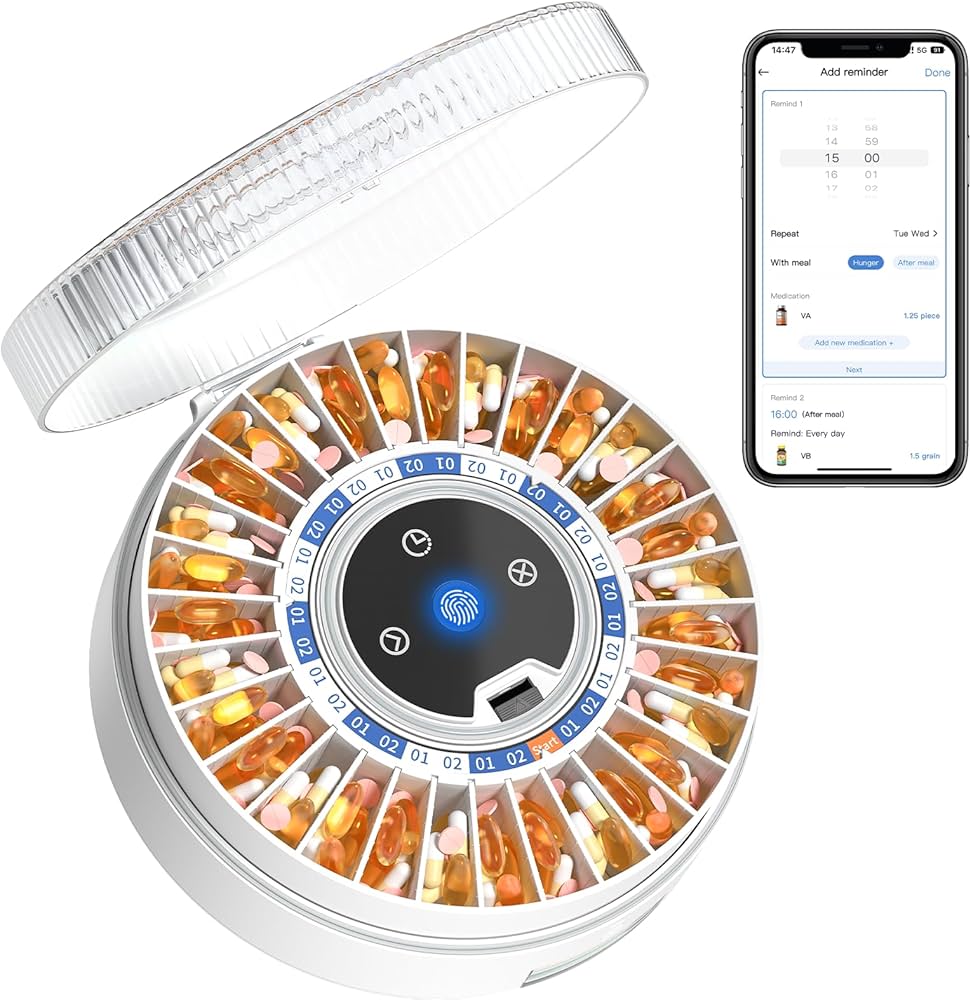
| Smart dispenser | Memory issues, frequent missed doses, limited caregiver time | Locks doses, alarms, some models notify caregivers | More setup, needs power and sometimes Wi Fi | Medium to high |
| Phone alarms and caregiver check ins | Tech friendly seniors, families who can follow up | Quick to start, flexible, works with refill alerts | Alerts can be ignored, needs consistent follow through | Low |
This table helps you pick a starting point for senior medication management without overthinking it.

Best tool by situation
If there are memory issues
Choose blister packs or a smart dispenser. Add caregiver check ins. Strong senior medication management here means fewer choices and more structure.
If there is arthritis or poor vision
Pick a pill box with large labels, easy open lids, and high contrast. Ask the pharmacy about larger print labels. This supports senior medication management by reducing handling pain and reading errors.
If there are multiple daily doses
Blister packs often work best because they group doses by time. If you use a pill box, choose one with morning, noon, evening, bedtime sections. This keeps senior medication management clear when days get busy.
If medications change often
Start with phone reminders plus a flexible pill box you can adjust. Blister packs can still work, but frequent changes may cause waste. In senior medication management, flexibility matters when doctors adjust doses often.
Medication Reminders That Actually Work (No Tech and Tech Options)
Reminders only help if they fit real life. In senior medication management, the best reminder is the one your loved one will follow on a normal day, a busy day, and a bad day. Use a simple baseline first, then add support if doses are still missed. Good senior medication management keeps reminders clear and calm, not noisy or stressful.
Low tech reminders that stick
Start with routines that already happen every day. This approach works well because it does not rely on motivation.
- Pair each dose with a daily event like breakfast, lunch, dinner, or bedtime
- Keep medicines in one visible home base spot, not scattered around the house
- Use a paper calendar and mark doses right after taking them
- Put a small note where decisions happen, like near the coffee maker or toothbrush
- Use a weekly pill organizer that shows whether a dose was taken
For safer senior medication management, place notes where they will be seen, but keep them away from young kids and visitors. Avoid leaving pills out in the open.
Phone alarms and apps (what features matter)
Tech can work very well, but only if it stays simple. In senior medication management, these features matter more than fancy design:
- Multiple dose times per day, not just one reminder
- Clear labels like “blood pressure med” or “thyroid med”
- Snooze options that do not cancel the reminder
- Caregiver notifications when a dose is missed
- Refill alerts so you do not run out
If your loved one gets overwhelmed by notifications, use fewer alarms with stronger time anchors. Too many alerts can backfire and hurt senior medication management.
When caregiver follow up is needed
Sometimes reminders are not enough. Senior medication management needs extra support when you see any of these patterns:
- Doses are missed more than once a week
- The senior is confused about what a pill is for
- Pills are taken twice, or the organizer is out of order
- The person mixes old and new bottles
- The person cannot safely open bottles or read labels
In these cases, add a caregiver check in at the exact dose time. If safety is a concern, ask a pharmacist or clinician about options like blister packs or a smart dispenser. Strong senior medication management is about matching the support level to the risk level.
Refill and Pharmacy Strategy (Stop Running Out)
Running out of a medicine creates stress and raises risk. In senior medication management, a refill plan matters as much as a pill organizer. The goal is simple: fewer last minute trips, fewer gaps, and one clear place to track what is needed.
Use one pharmacy when possible
Try to fill prescriptions at one pharmacy. This helps the pharmacist see the full list and catch possible problems like duplicate therapies or drug interactions. One pharmacy also makes refills easier to manage, which supports senior medication management over the long term.
Sync refill dates (ask the pharmacy)
Many pharmacies can align refill dates so several medicines refill on the same day each month. This reduces the number of refill calls and pickup trips. It also makes senior medication management easier because you can choose one refill day and build it into your monthly routine.
Automatic refills and delivery
If a medicine is stable, ask about automatic refills. If travel is hard, ask about home delivery or mail options. These services reduce missed doses caused by delays. For smoother senior medication management, set a reminder to check the delivery status before the bottle is empty.
Controlled medicines: general refill rules
Some medicines have stricter refill limits and may need a new prescription each time. Planning matters. In senior medication management, keep these steps simple:
- Request refills early, often several days before the medicine runs out
- Track the next refill date on the medication list
- Ask the prescriber what to do on holidays or travel weeks
- Never share controlled medicines with anyone
If you are unsure about rules for a specific medicine, call the pharmacy. That quick check can prevent gaps and keeps senior medication management safe.
Missed Dose, Side Effects, and Red Flags (What to Do)
This is the section many caregivers need most. In senior medication management, your job is not to guess or treat problems. Your job is to spot issues early, document what happened, and get the right help fast.

If a dose is missed (general safest steps)
Use the label first, because instructions can differ by medicine. If you cannot find clear directions, use these safer steps for senior medication management:
- Do not double up unless the label or clinician says to
- Take the missed dose only if it is still close to the scheduled time
- If it is almost time for the next dose, skip the missed dose and return to the normal schedule
- Write it down in the medication log
- Call the pharmacist if you are unsure, especially for high risk medicines
Tip: Put a note in your routine that says “when in doubt, call the pharmacy.” That rule supports senior medication management and prevents avoidable harm.
Side effects checklist (what to track)
Side effects can start after a new medicine, a dose change, or even after adding an over the counter product. For senior medication management, track:
- Dizziness or unsteady walking
- New confusion, memory change, or unusual mood
- Extreme sleepiness or trouble staying awake
- Nausea, vomiting, diarrhea, or constipation
- New swelling, itching, or rash
- Appetite changes or sudden weight change
- New bruising or bleeding
Write down what changed, when it started, and what was taken that day. This makes senior medication management far more useful during calls and appointments.
Call now red flags
Some symptoms need urgent help. In senior medication management, treat these as “call now” signs:
- Trouble breathing, swelling of the face or throat, or widespread hives
- Chest pain, severe shortness of breath, or sudden weakness on one side
- Fainting, a serious fall, or a fall soon after starting a new medicine
- Sudden severe confusion or the person is hard to wake
- Severe rash, blistering skin, or rapid swelling
- Repeated vomiting, signs of dehydration, or inability to keep medicines down
If you see these, get urgent medical help right away. Then bring the medication list and all bottles. This step is a core part of senior medication management because it helps emergency teams act faster and safer.
Medication Review With a Pharmacist (Your Secret Weapon)
A pharmacist can spot problems that are easy to miss at home. In senior medication management, a medication review helps you confirm what each medicine is for, find duplicates, reduce side effect risk, and simplify the schedule. It is one of the fastest ways to improve safety without adding more work.
What a medication review is
A medication review is a structured check of all medicines a senior takes, including prescriptions, over the counter products, vitamins, and herbals. The pharmacist looks for interactions, unnecessary overlap, and dosing issues. Strong senior medication management uses this review to clean up the medication list and make the daily routine easier to follow.
Questions to ask (copy and paste list)
Bring the medication list and ask these questions. This approach makes senior medication management clear and practical.
- Do I still need this medicine
- What benefit should we expect, and how will we know it is working
- Are any medicines doing the same job
- Can the schedule be simpler, like fewer dose times per day
- Are there interactions with over the counter meds or supplements
- What side effects should we watch for in older adults
- Is it safe to crush or split this pill
- Should this be taken with food
- What should we do if a dose is missed
- Which medicines are highest risk if taken wrong
Deprescribing conversations (safe, doctor led)
Sometimes the safest step is to reduce or stop a medicine, but this must be guided by a clinician. In senior medication management, deprescribing means a careful, planned change with monitoring, not stopping a medicine suddenly. Use the pharmacist review to start the conversation, then confirm any changes with the prescriber. This process can lower side effects, reduce falls, and make the full plan easier to manage.
Special Situations (Where Most Articles Are Weak)
Some situations raise risk fast. Senior medication management should change with the person’s needs, not stay the same all year. Use the right safeguards for memory issues, physical limits, and high risk medicines. This keeps routines safer and reduces caregiver stress. Senior medication management works best when you plan for the hard days, not just the easy days.
Dementia and cognitive impairment safeguards
Memory changes can lead to skipped doses, double doses, or taking the wrong bottle. Strong senior medication management focuses on supervision and simplicity.
- Increase oversight at dose times, especially morning and bedtime
- Keep only current medicines in the main area, and remove old bottles
- Store medicines in a locked box or high cabinet if safety is a concern
- Use blister packs or a dispenser that limits access to the next dose
- Keep the medication list easy to find for any helper or family member
If the person resists pills, stay calm and document patterns. Then discuss options with the clinician or pharmacist. This supports senior medication management without turning every dose into a conflict.
Vision, hearing, and arthritis accommodations
Physical limits can cause mistakes, even when memory is fine. Senior medication management should reduce strain and make labels easier to use.
- Ask for large print labels if the pharmacy offers them
- Use bright lighting at the medication home base spot
- Choose easy open containers when safe, or ask about assistive caps
- Use a pill organizer with large compartments and clear day and time labels
- Keep instructions simple and consistent, with one routine per day
These small changes improve senior medication management because they remove common barriers that lead to skipped or incorrect doses.
Diabetes, heart meds, and blood thinners (high risk categories)
Some medicines carry higher risk if taken incorrectly, or if the person becomes dehydrated, sick, or confused. In senior medication management, treat these as “extra caution” categories.
- Keep close communication with the pharmacist and clinician when a new medicine starts
- Track symptoms that start after dose changes, not just the dose times
- Bring the medication list to follow ups and lab visits
- Ask what warning signs should trigger a call for that specific medicine
Do not change doses on your own. If something feels off, contact a professional. This approach keeps senior medication management safe while still practical for daily life.
After Hospital Discharge: Medication Reconciliation Checklist
Hospital and ER visits often change medicines fast. That is why senior medication management needs a clear discharge routine. The goal is simple: confirm what is new, what stopped, what changed, and what the senior should take today. A clean reconciliation step protects safety and prevents repeat visits. Senior medication management works best when you do this within the first 24 to 48 hours after getting home.
The brown bag method (bring everything)
Put every medicine in one bag. Include prescriptions, over the counter meds, vitamins, herbals, inhalers, eye drops, and creams. Then bring the bag and the updated medication list to the first follow up visit or pharmacy review. This step supports senior medication management because it removes guessing and exposes duplicates.
Compare old vs new list (discontinued vs changed doses)
Use two lists side by side, the pre hospital list and the discharge list.
- Circle new medicines
- Mark any medicine that was stopped
- Highlight dose changes and timing changes
- Watch for duplicate medicines that do the same job
- Update the medication list right away so everyone uses one source
This comparison is a core part of senior medication management, because many errors happen when old bottles stay in the home and get mixed into the new plan.
Confirm follow ups and monitoring plan
Before the week ends, confirm the next steps. Ask who will monitor symptoms, labs, or blood pressure if needed, and when results should be checked.
- Schedule the follow up visit and write the date on the medication list
- Ask what symptoms should trigger a call
- Confirm which pharmacy will fill new prescriptions
- Set refill reminders for any short supply discharge meds
- Ask for a pharmacist medication review if the list changed a lot
This keeps senior medication management steady during the highest risk time, which is the first week after discharge.
Quick Checklists (Printable Style)
These checklists keep your routine steady on normal days and stressful days. Use them as a fridge page, a phone note, or a printed sheet in your care binder. In senior medication management, checklists reduce mistakes because you follow the same steps each time, even when you feel tired. If you only print one page, print this section. It supports senior medication management by turning good intentions into a repeatable habit.
Daily checklist (5 items)
- Confirm today’s dose times and meals or bedtime anchors
- Take medicines from the same home base spot
- Mark doses right after taking them, not later
- Watch for new symptoms like dizziness or confusion
- Do a quick end of day scan to confirm nothing was missed
This daily list is the backbone of senior medication management because it prevents small slips from becoming a pattern.
Weekly checklist (7 items)
- Refill the pill organizer or verify the blister pack is correct
- Count remaining doses for each medicine
- Check refill dates and request refills early
- Review the weekly medication log for missed doses
- Remove any loose pills or unknown tablets from common areas
- Confirm next appointments and lab dates
- Clean up the medication home base spot and relabel if needed
A weekly reset strengthens senior medication management by stopping last minute emergencies.
Monthly checklist (6 items)
- Update the medication list and confirm it matches current bottles
- Remove discontinued medicines from the home and routine
- Check expiration dates and storage conditions
- Review side effects, falls, sleep changes, and appetite changes
- Prepare questions for the pharmacist or clinician
- Review tools and reminders and simplify if needed
This monthly step keeps senior medication management accurate when changes pile up.
Caregiver communication checklist
- Share the updated medication list with key family members
- Write down who gives reminders and at what times
- Track who calls for refills and which pharmacy is used
- Note any red flags and when they started
- Bring the medication list to every visit and every urgent care trip
Clear communication makes senior medication management safer because everyone works from the same plan.
his part also fits well with Senior Care, Top Medicare Advantage Plan Carriers, and the Chronic Conditions category because medication management is closely tied to long-term care planning, healthcare coverage, and the daily realities of managing ongoing health conditions.
FAQ (Target PAA Questions)
What is senior medication management?
Senior medication management is the routine you use to organize medicines, take them on time, track changes, and reduce errors. It includes a current medication list, reminders, refill planning, and safety checks.
What should be on a medication list?
A strong list for senior medication management includes name, dose, timing, purpose, prescriber, pharmacy, and start date. Add over the counter meds, vitamins, supplements, allergies, and past reactions.
How do I organize meds for multiple daily doses?
Use a tool that matches the schedule, like a pill organizer with time slots or pharmacy blister packs. Senior medication management works best when dose times stay consistent each day.
What if my parent refuses to take medication?
Stay calm and avoid arguing. Write down what they refuse and when it happens, then share it with the clinician or pharmacist. Senior medication management improves when you address the reason, like side effects or confusion.
How often should meds be reviewed?
Review at least once a year, and any time there is a new medicine or dose change. Regular reviews keep senior medication management accurate and reduce duplicate therapies.
How do I prevent medication errors at home?
Keep one updated medication list, use one home base storage spot, and follow a daily and weekly routine. Senior medication management becomes safer when you track doses and remove discontinued meds fast.
Conclusion and Next Steps
You now have a clear plan you can use today. Senior medication management works best when you start small, stay consistent, and keep one updated medication list that everyone follows. If you only do two things this week, build the medication list and set your weekly refill check time. That alone can cut missed doses and reduce confusion. As you go, adjust tools and reminders to fit your loved one’s needs, not someone else’s routine. Senior medication management is a safety habit, not a one time project.
Next steps you can do now
- Update the medication list, including OTC meds and supplements
- Set your daily anchors and your weekly reset time
- Pick one tool that matches the schedule and abilities
If anything feels unclear, call the pharmacy and ask for a medication review. Senior medication management gets easier when a pharmacist and clinician help you simplify and spot risks early.
To broaden the topic, this post can also connect to Ultimate Guide to Managing Diabetes After 60, The Complete Diabetic Meal Plan for Seniors, Healthy Eating for Seniors, the Healthy Aging category, and the Nutrition & Diet category to link medication safety with chronic disease management, healthy routines, and better long-term wellness after 60.