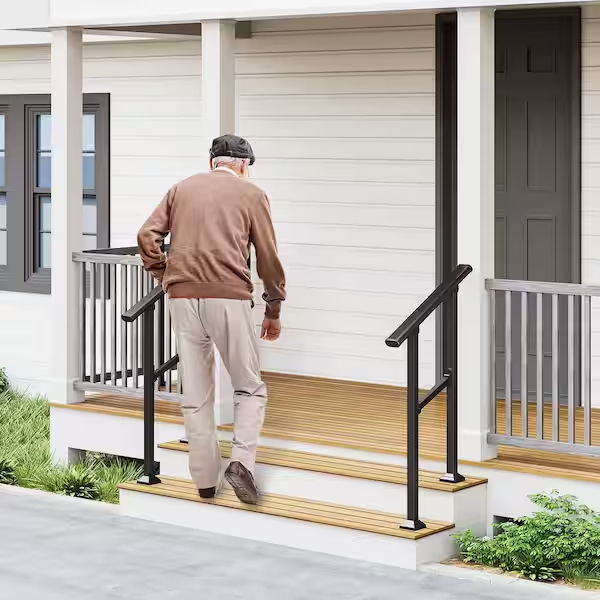
Home Health Care for Seniors: Complete Guide to Services, Medicare Coverage, Costs & Choosing the Right Agency


Home Health Care for Seniors means skilled medical care provided in the home by licensed clinicians. It often supports older adults after a hospital stay, after surgery, or during recovery from an illness. It can also help manage long term conditions with nurse visits, therapy, and health education. Families choose it when travel to clinics is hard or when a safe recovery at home matters most. In this guide, you will learn what Home Health Care for Seniors includes, how Medicare coverage usually works, what seniors may still pay, and the simple steps to get started. You will also learn how to choose a trusted agency.
Table of Contents
What Is Home Health Care for Seniors?
Home Health Care for Seniors is skilled, medical care that happens in a senior’s home. A licensed nurse or therapist provides care that supports recovery, stability, and safety. Home Health Care for Seniors is often short term. It is goal based. It usually starts after a hospital stay, after surgery, or after a sudden health change.
Home Health Care for Seniors can include nursing visits, therapy visits, and a home health aide when it supports skilled care. A doctor is involved. The doctor signs a plan of care. The care team follows that plan and reports progress. Many families choose Home Health Care for Seniors because it reduces trips to clinics and helps a senior heal at home.
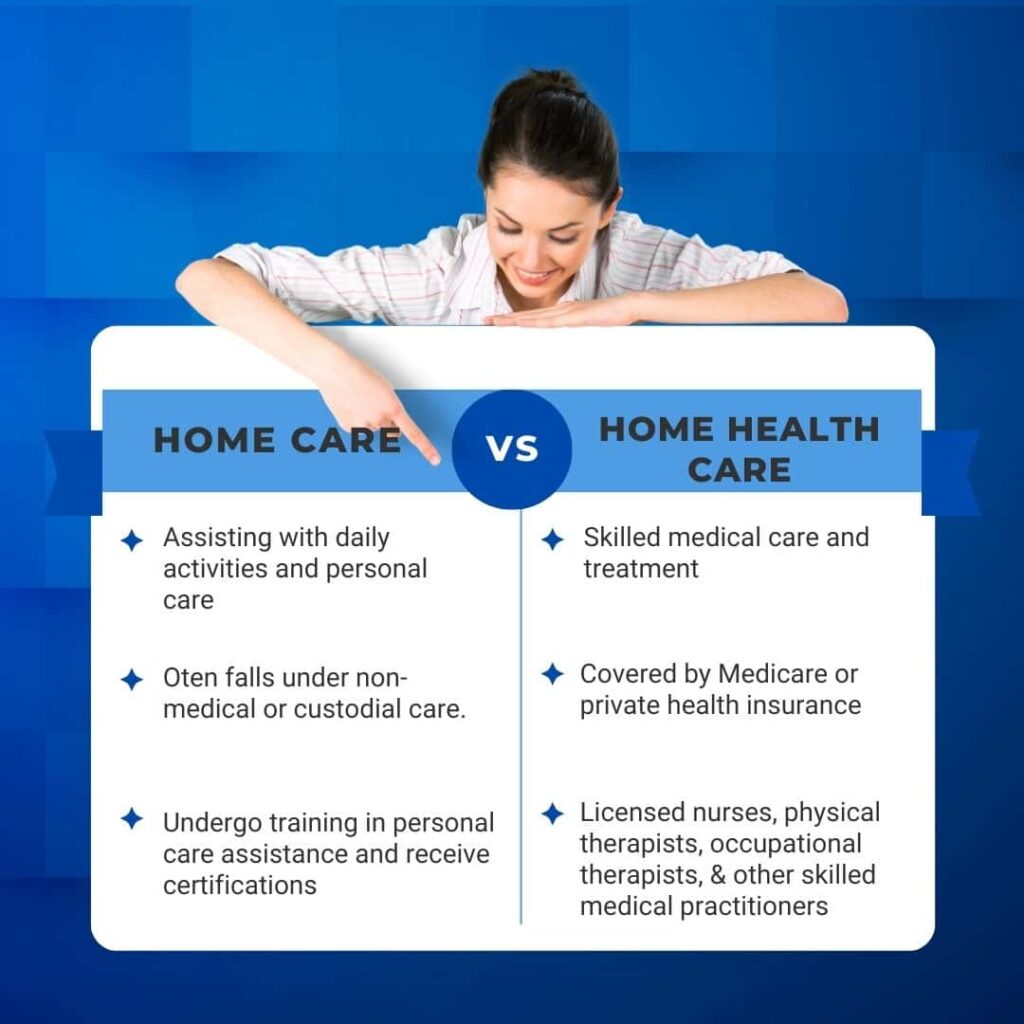
Home Health Care for Seniors is not the same as non medical home care. Non medical home care focuses on daily help like bathing support, meal help, and companionship. Home Health Care for Seniors focuses on medical needs and rehab goals.
This section can link naturally to Senior Care, Senior Care Services, and Senior Living because choosing a home health care agency usually starts with understanding the wider care landscape, the level of support available, and when in-home help makes more sense than other long-term care options.
Home health care vs home care (non medical) quick comparison table
| Topic | Home Health Care for Seniors | Home care (non medical) |
|---|---|---|
| Main purpose | Medical care and rehab at home | Daily living support at home |
| Who provides care | Skilled nurse, PT, OT, speech therapist, aide tied to skilled care | Caregiver or personal care aide |
| Typical services | Nursing checks, wound support, therapy exercises, health teaching | Bathing help, dressing help, meals, light chores, companionship |
| Doctor involvement | Yes, plan of care and updates | Not required |
| Who often pays | Medicare may cover if rules are met | Private pay, long term care insurance, some Medicaid programs |
| Usual time frame | Often weeks, sometimes a few months | Can be ongoing for months or years |
If you feel stuck between the two, use this simple rule. Pick Home Health Care for Seniors when there is a medical need or rehab goal that needs skilled care. Pick home care when the main need is help with daily tasks and supervision.
Who Home Health Care for Seniors is best for
Home Health Care for Seniors fits best when a senior needs skilled support but does not need to stay in a hospital or nursing facility. Common situations include these.
After surgery or hospital discharge
A senior may need follow up care at home after a hospital stay. Home Health Care for Seniors can help with safe recovery, symptom checks, and follow up routines. It can also support a safer transition from hospital to home.
Rehab needs
Therapy is a big reason families use Home Health Care for Seniors. A physical therapist may help with walking, balance, and strength. An occupational therapist may help with daily tasks and safe movement at home. Speech therapy may help with speech, swallowing, or memory skills, based on the goal.
Chronic disease monitoring
Some seniors live with heart failure, COPD, diabetes, or similar conditions. Home Health Care for Seniors can support stable routines, early warning signs, and education that helps prevent avoidable hospital visits.
Medication support and wound support
Some seniors need help with medication routines or wound checks. Home Health Care for Seniors can include nursing education and monitoring. The care team can also coordinate with the doctor if symptoms change.
Home Health Care for Seniors works best when the goal is clear. The goal may be walking safely again, healing after a procedure, learning to manage a condition, or reducing falls. If the senior needs round the clock help, long term companionship, or constant supervision, Home Health Care for Seniors may not be the right match by itself. In that case, families often combine it with non medical home care or other community support.
Home Health Care for Seniors can feel confusing at first, but the core idea is simple. It brings skilled care into the home for a set period, with a plan, goals, and regular check ins.
Services Included in Home Health Care for Seniors
Home Health Care for Seniors can look different from one person to the next. The agency builds the visits around the doctor’s plan of care. The goal is to help the senior get better, stay steady, and stay safe at home. Home Health Care for Seniors often mixes nursing care with therapy and support tasks that connect to the skilled plan.
Below are the main services families see most often with Home Health Care for Seniors.
Skilled nursing services (RN or LPN)
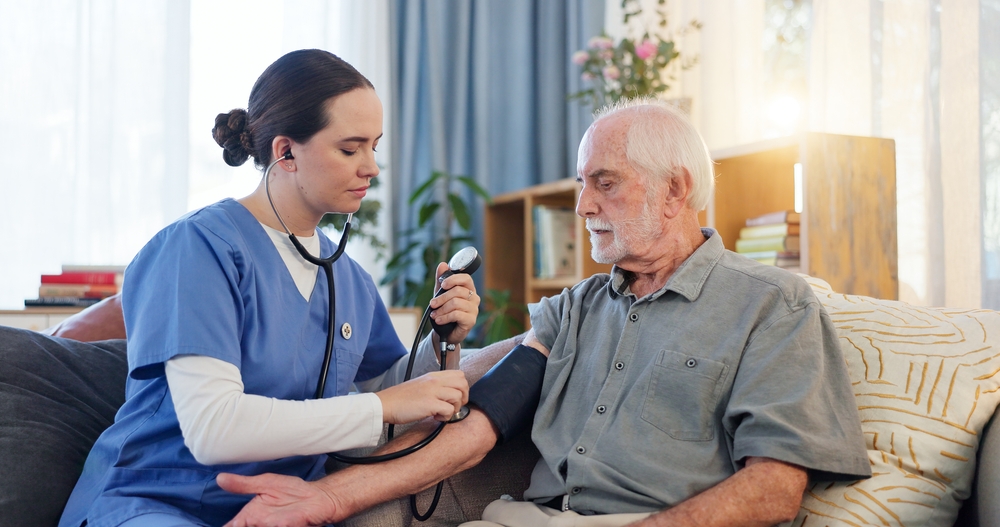
A nurse visit is a core part of Home Health Care for Seniors when there is a medical need. The nurse checks health signs, reviews symptoms, and tracks changes over time. Home Health Care for Seniors may include nurse teaching too, so the senior and family can follow the care plan with more confidence.
Common nursing tasks in Home Health Care for Seniors include:
- Checking blood pressure, pulse, weight, and breathing
- Teaching how to take meds the right way and on time
- Checking wounds and teaching basic wound care steps
- Giving certain shots if ordered by the doctor
- Watching for side effects and warning signs
- Coordinating with the doctor when symptoms change
- Helping the family follow the care plan at home
Home Health Care for Seniors often uses nurse visits to reduce repeat hospital trips. The nurse can spot small changes early and alert the care team.
Therapy at home
Therapy is one of the most common parts of Home Health Care for Seniors. It helps seniors rebuild strength and skills after illness or injury. Therapy goals are clear and measurable.
Physical therapy (PT)
PT in Home Health Care for Seniors often focuses on walking, balance, strength, and safe transfers. A PT may help with stairs, a walker, or fall risk.
Occupational therapy (OT)
OT in Home Health Care for Seniors often focuses on daily tasks and safety at home. OT may help with bathing steps, getting dressed, kitchen safety, and safe movement during routine tasks.
Speech therapy (SLP)
SLP in Home Health Care for Seniors can help with speech, voice, memory skills, or swallowing plans, based on the doctor’s order and the care goal.
Home Health Care for Seniors therapy visits usually include a home exercise plan. The therapist teaches the senior and family what to practice between visits.
Home health aide services
A home health aide can support Home Health Care for Seniors when the aide work links to skilled care. The aide often helps with ADLs, which means Activities of Daily Living.
A home health aide in Home Health Care for Seniors may help with:
- Bathing and grooming
- Dressing
- Toileting help
- Safe movement and transfers
- Basic skin checks and comfort care
Limits matter. Home Health Care for Seniors usually does not cover long daily shifts just for personal help. The aide visits are often shorter and tied to the skilled plan.
Medical social worker support
A medical social worker can be part of Home Health Care for Seniors when a family needs help with planning and resources. This support can reduce stress and improve follow through.
A social worker in Home Health Care for Seniors may help with:
- Connecting to local programs and benefits
- Planning for care needs after home health ends
- Talking through family stress and care roles
- Helping with care decisions and next steps
This support is practical. It helps families find real options and build a plan.
What Home Health Care for Seniors usually does NOT include
Home Health Care for Seniors is skilled care. It is not a full time caregiving service. Knowing the limits helps families set the right plan early.
Home Health Care for Seniors usually does not include:
- 24 hour care or live in care
- Long term companionship visits with no skilled need
- Housekeeping only services like deep cleaning
- Full meal service for the whole day
- Long term daily supervision for safety
If your parent needs ongoing daily help, you can pair Home Health Care for Seniors with non medical home care. Many families do this when the senior has both medical needs and daily life needs.
Medicare Coverage for Home Health Care for Seniors (Simple, Clear, Actionable)
Medicare can pay for Home Health Care for Seniors when the care is medically needed and provided through the right setup. Many families hear “Medicare covers home health” and think it means daily help for as long as they want. That is not how it works. Home Health Care for Seniors under Medicare is usually short term, goal based care that helps a senior recover, regain function, or stay stable at home.
Below is the plain English guide to what Medicare often covers, who qualifies, and what to expect from Home Health Care for Seniors.
What Medicare typically covers
If the senior meets Medicare rules, Home Health Care for Seniors may include:
- Skilled nursing care on a part time or intermittent basis
This can include health checks, teaching, care coordination, and ordered nursing tasks. - Therapy services
Physical therapy, occupational therapy, and speech therapy, when ordered and tied to goals. - Home health aide care when it supports skilled care
This is usually help with ADLs like bathing and dressing, tied to the care plan. - Medical social worker support when needed
Help with planning, resources, and support during the care episode. - Some supplies and equipment basics
Coverage depends on the item. Durable medical equipment rules may apply.
Medicare coverage for Home Health Care for Seniors is about skilled care and rehab. It is not built for long daily caregiving.
Key eligibility requirements in plain English
Medicare usually expects a few things before it covers Home Health Care for Seniors. Think of these as a checklist.
A doctor orders it and sets a plan of care
A doctor must confirm the need for skilled care. The doctor signs a plan that lists services, goals, and visit frequency. The agency follows this plan for Home Health Care for Seniors and updates the doctor on progress.
The agency must be Medicare certified
Medicare generally pays only when services come from a Medicare certified home health agency. If you use an agency that is not certified, Medicare may not pay for Home Health Care for Seniors, even if the care is real and helpful.
The senior is homebound, explained with real examples
Homebound does not mean the senior can never leave the house. It usually means leaving home takes major effort, help from another person, or assistive devices, and it is not easy to do often.
Real life examples that may fit the homebound idea for Home Health Care for Seniors:
- The senior needs a walker and another person to get out safely.
- The senior gets short of breath with short walking and avoids outings.
- The senior has poor balance and high fall risk outside the home.
- The senior has pain or weakness that makes travel unsafe.
Many seniors still leave home sometimes for medical visits. That can still fit Medicare rules for Home Health Care for Seniors, depending on the situation.
There is a skilled need
Medicare usually requires a skilled reason for care. Skilled care means a nurse or therapist must provide the service, or must guide and adjust it. For Home Health Care for Seniors, a skilled need can include nursing support after a health event, therapy for rehab goals, or training that needs clinical judgment.
How many hours or visits can you get?
Families often ask, “How many hours do we get each week?” Medicare home health is not set up like hourly caregiving. Home Health Care for Seniors is based on visits and goals, not long shifts.
You may hear terms like part time or intermittent. In normal terms, it means visits happen on a schedule that matches medical need, such as a few times per week at first, then fewer as the senior improves. A nurse might visit weekly, while therapy visits might happen more often early in rehab. The plan can change as progress changes.
A helpful way to think about Home Health Care for Seniors is this: Medicare tends to pay for the skilled work needed to move a senior toward safer function and better stability at home. It does not pay for round the clock support.
Medicare vs Medicare Advantage
If the senior has Original Medicare, the rules above are the main guide for Home Health Care for Seniors. If the senior has a Medicare Advantage plan, extra steps may apply.
Medicare Advantage plans often use:
- Provider networks
The plan may require a specific agency or a smaller list of agencies for Home Health Care for Seniors. - Prior approval steps
The plan may ask for more paperwork before visits start or continue. - Different cost sharing rules
Some plans have copays for certain services or rules that vary by plan.
The safest move is to call the plan and ask what the plan needs for Home Health Care for Seniors, which agencies are in network, and what out of pocket costs might apply.
Medicare rules can feel strict, but the basics are clear. Home Health Care for Seniors is usually covered when a doctor orders skilled care, the senior meets key requirements like homebound status, and a Medicare certified agency provides the services.
Costs of Home Health Care for Seniors
Costs can feel confusing because people mix up skilled care and daily help. Home Health Care for Seniors is skilled, medical care at home. Prices depend on what services are needed, how long care lasts, and what program pays. Location also matters.
If Medicare covers it, what you may still pay
With Original Medicare, covered Home Health Care for Seniors services usually cost $0 to the patient. You may still pay 20% of the Medicare approved amount for durable medical equipment, like walkers or hospital beds.
So, even when Home Health Care for Seniors is covered, the main out of pocket risk often comes from equipment, not the nurse or therapy visits.
If Medicare does not cover it, realistic cost ranges for ongoing help
If a senior needs ongoing daily help, that often falls under non medical home care, not Home Health Care for Seniors. A national benchmark for a home health aide type service is about $34 per hour in 2024, based on the CareScout Cost of Care data.
For higher level 1 on 1 nursing support, private duty nurse pay data often lands in a higher band. One national estimate shows an average around the mid $30s per hour, with wide variation by area and shift type.
Use this simple rule when you budget: Home Health Care for Seniors tends to be visit based, while non medical support tends to be hourly.
How to pay for care at home
Families often combine more than one payment source. Options that come up most often alongside Home Health Care for Seniors include:
- Medicaid programs and waivers: Many states offer home and community based services. Rules vary by state.
- VA benefits: Some veterans and spouses can qualify for home based support.
- Long term care insurance: Coverage depends on the policy and benefit triggers.
- Private pay: Common for extra hours of help that Medicare does not pay for.
- Family caregiver support: A schedule plan can reduce paid hours while keeping care steady.
A good planning move is to separate costs into two buckets. Bucket one is Home Health Care for Seniors visits that may be covered. Bucket two is extra daily support that is usually paid privately or through other programs.
Mini cost scenario examples
These examples show how costs can shift based on the care path.
Scenario 1: Post hospital rehab for 4 to 6 weeks
A senior gets Home Health Care for Seniors with PT and nursing check ins. Medicare may cover the visits if the rules are met. The family may still pay part of the cost for a walker or other equipment.
Scenario 2: Chronic monitoring with 1 to 2 visits per week
A senior uses Home Health Care for Seniors for teaching, symptom tracking, and therapy goals. If the skilled need remains and the plan is active, coverage may continue. When goals are met, visits often taper.
Scenario 3: Transition to ongoing daily help
A senior finishes Home Health Care for Seniors but still needs help with bathing, meals, and supervision. The family adds non medical home care hours. Many people use hourly benchmarks like the CareScout national median for planning, then adjust for local rates.
How to Get Started With Home Health Care for Seniors (Step by Step)
Starting Home Health Care for Seniors feels easier when you follow a clear path. Most families move from a doctor visit to the first home visit within a few days, depending on needs and agency capacity. Home Health Care for Seniors works best when you treat it like a short plan with goals, not a vague service.
Step 1: Talk to the doctor (what to ask)
Home Health Care for Seniors usually begins with a doctor visit, a hospital discharge plan, or a follow up appointment. Bring a short list of concerns so the doctor can decide if skilled care at home fits.
Ask the doctor:
- Do you think Home Health Care for Seniors is medically needed right now?
- What is the main goal, like walking safely, wound support, or symptom tracking?
- Which services should be ordered, such as skilled nursing or PT?
- How long do you expect the care to last?
- What signs should make us call you or go to urgent care?
Share simple facts: recent falls, missed meds, new pain, poor balance, shortness of breath, or low energy. These details help the doctor order the right Home Health Care for Seniors plan.
Step 2: Get a referral and plan of care
A referral is the formal start for Home Health Care for Seniors. The doctor creates a plan of care that lists services, visit frequency, and goals. The agency uses it to set up the first visit.
To speed things up, have these ready:
- Insurance cards and ID
- A full medication list with doses
- Recent discharge papers if there was a hospital stay
- Key contacts, including the doctor and main caregiver
Home Health Care for Seniors can change over time. The plan can update if the senior improves or if new issues appear.
Step 3: Choose the right agency (shortlist)
If the doctor gives options, or if you can pick, build a shortlist of two to three agencies. Home Health Care for Seniors depends a lot on reliability and communication, so it is worth comparing.
Use this quick shortlist check:
- The agency is Medicare certified if Medicare will pay
- They can start visits soon, not weeks later
- They provide the needed services, like PT or skilled nursing
- They can explain how they update the doctor and family
When you call, describe the main need in one sentence. Example: “We need Home Health Care for Seniors after a hospital stay for rehab and safety at home.”
Step 4: First home visit, what happens
The first visit for Home Health Care for Seniors is often an assessment. A nurse or therapist reviews health history, meds, vital signs, and safety risks in the home. They also ask about daily function like bathing, walking, and meal prep.
Expect these steps:
- Review of meds and how they are taken
- Baseline checks like blood pressure and symptoms
- Home safety scan, especially fall risks
- Goal setting with the senior and family
- A simple schedule for upcoming visits
Home Health Care for Seniors should feel organized. You should know who is visiting, why they are visiting, and what the next goal is.
Step 5: Ongoing visits, progress tracking, and updates
After the first visit, Home Health Care for Seniors runs on a visit plan. Visits may be more frequent at the start, then taper as goals are met. Therapy visits often come with home exercises. Nursing visits often come with teaching and monitoring.
To get the most from Home Health Care for Seniors:
- Keep a short symptom log, like pain, swelling, dizziness, appetite, sleep
- Write down questions for each visit
- Ask what progress looks like, week by week
- Ask how the agency shares updates with the doctor
If a visit is missed or late, call the agency right away. Home Health Care for Seniors works best with steady follow through.
Step 6: Discharge planning and what comes next
Home Health Care for Seniors usually ends when goals are met, when the skilled need changes, or when the doctor and agency agree the episode is complete. Discharge should not be a surprise. The team should talk about the next plan.
Common next steps after Home Health Care for Seniors:
- Continue therapy as outpatient, if travel is possible
- Switch to non medical home care for daily help
- Use community programs for meals, rides, or caregiver breaks
- Set a follow up visit with the doctor to review progress
Ask for a simple summary at the end. It should cover what improved, what still needs work, and what the family should do next.
Simple timeline table for families
| Time frame | What usually happens | What you should do |
|---|---|---|
| Day 1 to 3 | Doctor order and referral starts the process | Gather meds list, insurance, discharge papers |
| Day 2 to 5 | Agency calls and schedules the first visit | Confirm start date, ask who will visit first |
| Week 1 | Assessment and first goal plan | Write questions, note safety risks in the home |
| Weeks 2 to 6 | Regular visits and goal tracking | Follow exercises, track symptoms, ask for updates |
| End of episode | Discharge plan and next steps | Arrange ongoing help if needed, book doctor follow up |

How to Choose a Home Health Agency (Quality Checklist)
Choosing the right agency matters because the care team enters the home, tracks medical changes, and reports back to the doctor. Home Health Care for Seniors works best when visits are reliable and communication is clear. A strong agency also sets expectations early, so families know what care includes and what it does not include.
Home Health Care for Seniors often starts fast after a hospital stay, so it helps to compare a few agencies using the same checklist.
Quick quality checklist
Use this list when you call or when you review paperwork. Home Health Care for Seniors should feel organized from the first contact.
- The agency is Medicare certified if Medicare will pay for Home Health Care for Seniors
- The agency is licensed in your state
- A nurse or therapist can start the first visit soon
- The agency offers the exact services ordered, like skilled nursing and therapy
- The agency has after hours support for urgent questions
- The agency explains how it shares updates with the doctor
- The agency shares visit notes or summaries with the family when allowed
- The agency tries to keep staff consistent, not a new person every visit
- The agency explains its hiring steps and basic background checks
- The agency explains what happens if a visit is missed or delayed
- The agency explains how it handles emergency changes in symptoms
- The agency gives a clear phone number for scheduling and questions
If an agency cannot answer these basics, Home Health Care for Seniors may feel stressful instead of helpful.
Questions to ask before you sign (grouped)
Ask these questions on the phone. Write answers down. Home Health Care for Seniors is easier when you have clear details in one place.
Care plan and goals
- What goals do you expect for Home Health Care for Seniors in the first two weeks?
- Who creates the care plan and how often is it updated?
- How do you measure progress for therapy goals?
- If the senior gets worse, how do you adjust the plan?
- How do you coordinate care when more than one service is involved?
Scheduling and reliability
- How soon can Home Health Care for Seniors start?
- What days and time windows do you offer?
- Will we get a weekly schedule, or will visits change often?
- What is your missed visit policy and how do you make it right?
- How do you handle staff illness or last minute changes?
Safety and staffing
- Who will visit first for Home Health Care for Seniors, a nurse or therapist?
- Are your nurses and therapists employees or contractors?
- What training do new staff complete before home visits?
- How do you match the right clinician to the condition and goals?
- Can we request the same clinician when possible?
Costs and billing
- Will Medicare cover this Home Health Care for Seniors plan in our case?
- What costs might still show up, such as equipment or supplies?
- If coverage changes, how will you tell us and when?
- Do you help with paperwork for other pay sources if needed?
Communication
- Who is our main contact person for Home Health Care for Seniors?
- How do we reach a clinician after hours?
- How do you share updates with the doctor and how often?
- Can family members join visits by phone if they live far away?
- What should we do if we disagree with a plan or a schedule?
These questions help you compare agencies in a fair way. They also set the tone for Home Health Care for Seniors from day one.
Red flags to avoid
Some warning signs show up early. If you see them, keep looking. Home Health Care for Seniors should not feel confusing or hidden.
- The agency will not confirm Medicare certification when Medicare is the payer
- The agency avoids clear answers about schedules and missed visits
- The agency gives vague answers about who will provide care
- The agency cannot explain goals or how progress is tracked
- The agency rushes you to sign without reviewing the plan
- The agency cannot explain after hours support
- The agency changes staff every visit with no explanation
- The agency will not explain billing in plain words
- The agency blames others for every delay and offers no solution
- The agency does not return calls within a reasonable time
If you feel brushed off during intake, you may feel the same stress during Home Health Care for Seniors visits.
A simple way to compare two or three agencies
Use a quick scorecard. Give each agency a 1 to 5 score for each area below. Home Health Care for Seniors often runs better with a high score in communication and reliability.
- Start date speed
- Scheduling clarity
- Staff consistency
- After hours support
- Doctor communication
- Family updates
- Billing clarity
- Respect and professionalism
Pick the agency with the best overall fit, not only the fastest start. Home Health Care for Seniors is a team effort, and trust matters.
What to do if you need to switch agencies
Sometimes the match is not right. You can ask the doctor, the hospital discharge planner, or the insurance plan for other options. Tell the current agency you want a change and ask for the transfer steps. Home Health Care for Seniors should support recovery, not add stress.
Signs It’s Time to Consider Home Health Care for Seniors
Many families wait until a crisis happens. It is often better to act when the first warning signs show up. Home Health Care for Seniors can support recovery and reduce repeat trips to the hospital. Home Health Care for Seniors also helps families feel less alone because a licensed care team checks progress and reports changes.
Here are clear signs that Home Health Care for Seniors may be the right next step.
Medical signs
These signs often point to a skilled need. Home Health Care for Seniors may help when a doctor wants close follow up at home.
- A recent hospital stay or rehab discharge, and the senior feels weak at home
- A fall, even if there was no broken bone, followed by fear of walking or more unsteady movement
- Frequent urgent care or ER visits in the last few months
- Medication problems such as missed doses, double doses, or confusion with pills
- New or worsening swelling, breathing trouble, dizziness, or sudden fatigue
- A wound that is slow to heal or needs regular checks
- A new diagnosis that needs teaching and tracking, like heart failure or diabetes changes
If these issues are present, Home Health Care for Seniors can support symptom tracking, safety checks, and skill building.
Functional signs
These signs show a drop in daily ability. Home Health Care for Seniors often includes therapy that helps seniors regain function.
Look for changes in ADLs, which means Activities of Daily Living:
- Bathing becomes hard or unsafe
- Dressing takes much longer, or the senior skips it
- Toileting becomes risky due to balance or speed
- Walking inside the home feels unsafe, even with a cane or walker
- Getting in and out of bed or a chair needs help
- Meals become missed because standing and cooking feel too hard
When these problems rise fast after illness or surgery, Home Health Care for Seniors can support therapy goals and safer routines.
Caregiver burnout signs
Family stress is a real sign too. Home Health Care for Seniors can give structure and support, even when family still helps day to day.
Common caregiver strain signs include:
- You feel on call all day and can’t rest
- You miss work often or your sleep is broken most nights
- You worry about falls or meds every time you leave the house
- Family conflict rises because no one agrees on the plan
- You feel anxious, short tempered, or overwhelmed more days than not
If this sounds familiar, Home Health Care for Seniors may help by adding professional check ins and clear goals. It also helps the doctor see changes early.
A simple test you can use today
Ask two questions:
- Has the senior’s health or function changed in the last 30 days?
- Would a nurse or therapist change what we do at home?
If the answer is yes, Home Health Care for Seniors is worth discussing with the doctor. Home Health Care for Seniors is not for every situation, but when the timing is right, it can make home safer and recovery smoother.
Home Health Care Safety at Home (Setup and Fall Prevention)
A safe home supports better recovery. It also lowers stress for everyone involved. Home Health Care for Seniors often includes a quick safety review during early visits, but families can make changes right away. Small fixes can cut fall risk and make daily routines easier.
Home Health Care for Seniors works best when the home matches the care plan. The goal is simple: clear walking paths, safer bathrooms, and fewer “rush” moments during the day.
Safe home setup checklist
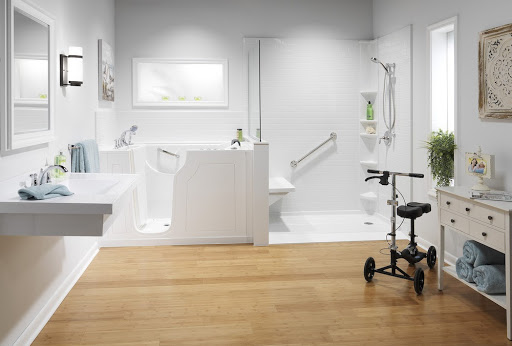
Use this checklist before the first visit and keep improving it over time. Home Health Care for Seniors teams often look for these same basics.
Walking paths and rooms
- Remove loose rugs or tape them down firmly
- Clear cords and clutter from hallways and beside the bed
- Keep a clear path from bed to bathroom
- Place a sturdy chair with arms in the main living area
- Keep daily items at waist height to reduce bending and reaching
Lighting
- Add bright bulbs in hallways and bathrooms
- Use night lights from bedroom to bathroom
- Keep a lamp within easy reach of the bed
Bathroom safety
- Add grab bars near the toilet and in the shower
- Use a non slip bath mat inside and outside the tub
- Consider a shower chair if standing feels risky
- Keep soap and supplies within easy reach
Medication and equipment
- Use a weekly pill box and a simple schedule
- Keep a list of meds on the fridge or near the main seat
- Place a phone nearby for quick calls
- Keep walker or cane in the same spot every time
Home Health Care for Seniors often improves safety fast when the home setup supports therapy goals and steady routines.
Preparing for clinician visits
Good prep helps the nurse or therapist focus on what matters most. Home Health Care for Seniors visits are usually short, so a quick routine makes them more useful.
Before each visit:
- Update the medication list, including new meds and stopped meds
- Keep a short symptom log, like pain, dizziness, swelling, sleep, appetite
- Write 3 to 5 questions you want answered
- Note any recent falls, near falls, or balance issues
- Have insurance cards and doctor contact info nearby
During the visit:
- Ask the clinician to show one safe way to do a hard task, like getting up from a chair
- Ask what to practice before the next visit
- Ask what warning signs should trigger a call to the doctor
Home Health Care for Seniors can feel calmer when the family tracks changes and asks direct questions.
Quick fall prevention habits that work
Home Health Care for Seniors teams often repeat these habits because they are simple and effective.
- Stand up slowly and pause before walking
- Wear shoes with good grip inside the house
- Keep water nearby to avoid rushed trips
- Use the walker or cane every time, not only “when tired”
- Ask for help with stairs or showering during weak days
Home Health Care for Seniors is not only about visits. It is also about safer daily habits that protect recovery.
This part also fits well with Senior Medication Management, Top Medicare Advantage Plan Carriers, and Independent Senior Living since home health care decisions are often shaped by medication routines, Medicare-related coverage questions, and how much day-to-day independence can still be maintained safely.
Home Health Care for Common Senior Conditions (Practical Use Cases)
Home Health Care for Seniors can support different goals based on the health situation. The care plan changes by condition, by risk level, and by what the doctor orders. Home Health Care for Seniors works best when the goal is clear, like safer walking, better breathing control, or fewer complications after a hospital stay.
Stroke recovery
After a stroke, many seniors face weakness, balance problems, and changes in speech or thinking. Home Health Care for Seniors often focuses on safe movement, daily task practice, and steady progress tracking at home. Physical therapy may work on walking and strength. Occupational therapy may work on dressing, bathing steps, and safe kitchen routines. Speech therapy may support speech, memory skills, or swallowing plans when ordered. Home Health Care for Seniors can also help families learn safe transfers and fall prevention routines.
Hip or knee replacement rehab
After joint surgery, early recovery depends on safe movement and daily practice. Home Health Care for Seniors often includes physical therapy visits that build strength and improve walking. The therapist may teach safe stair steps and how to use a walker the right way. A nurse may check pain control, swelling, and general recovery signs. Home Health Care for Seniors can also help reduce fear of movement, which is common after surgery. Many seniors do well when they follow a simple home exercise plan between visits.
Heart failure or COPD monitoring
Breathing and fluid changes can shift fast with heart failure or COPD. Home Health Care for Seniors can support symptom tracking and early action. A nurse may check weight trends, swelling, breathing comfort, and medication routines. The care team may teach a simple plan for what to do when symptoms change, and when to call the doctor. Therapy may support stamina and safe daily movement. Home Health Care for Seniors often helps seniors pace activity, rest at the right times, and reduce avoidable ER visits.
Diabetes support and wound or foot care
Diabetes can raise the risk of slow healing wounds and infection, especially on the feet. Home Health Care for Seniors may include nurse visits for checks, teaching, and home routines that support healing. The nurse may review blood sugar routines, meal timing, and signs that need a doctor call. If there is a wound, Home Health Care for Seniors may include regular wound checks and teaching for safe care steps at home, based on the doctor’s orders. Families often like having a clear plan and a consistent check in schedule.
Dementia and memory related needs
Dementia care often needs daily supervision and steady routines. Home Health Care for Seniors can help with certain medical and rehab goals, but it may not cover constant supervision. If the senior has a new health event, Home Health Care for Seniors may support therapy for walking safety, a nurse visit plan for meds, or teaching for family caregivers. The team may also suggest home safety changes that reduce wandering risk or fall risk. Many families pair Home Health Care for Seniors with non medical home care when the main need is daily support and supervision.
Home Health Care for Seniors is most helpful when the condition creates a skilled need and a clear goal. If you are not sure which path fits, the next section can help you match needs to the right questions to ask and the right agency choice.
FAQ (Quick Answers for Common Questions)
These short answers cover the questions families ask most about Home Health Care for Seniors. For deeper detail, use the section names above to find the full explanation.
Is Home Health Care for Seniors covered by Medicare?
Often, yes, if Medicare rules are met. Medicare usually covers skilled nursing and therapy visits provided by a Medicare certified agency, with a doctor’s plan of care.
What qualifies a senior for Home Health Care for Seniors?
A senior often qualifies when a doctor orders skilled care and the senior meets key requirements like homebound status and a skilled need. The agency also must be Medicare certified for Medicare payment.
What does “homebound” mean for Medicare?
Homebound usually means leaving home takes major effort or help from another person or device. The senior may still leave for medical visits. Homebound is one piece of Medicare eligibility for Home Health Care for Seniors.
How long does Home Health Care for Seniors last?
It is usually short term and goal based. Many episodes last a few weeks, but it depends on progress and the doctor’s plan. Visits often taper as the senior improves.
How often will a nurse visit?
It depends on the skilled need and care plan. Some seniors get nursing visits weekly, while others need more early on and less later. Home Health Care for Seniors is usually visit based, not hourly.
How do I switch agencies?
Call the current agency and say you want to transfer. Ask what paperwork is needed and how they will share records with the new agency. Contact the doctor and the new agency to line up the start date. Switching can happen during Home Health Care for Seniors if the fit is not right.
How do I find a home health agency near me?
Ask the hospital discharge planner, the doctor’s office, or your insurance plan for a list. Confirm the agency is Medicare certified if Medicare is the payer.
Quick Summary and Next Steps
Home Health Care for Seniors brings skilled medical care into the home for a short, goal based period. It often supports recovery after a hospital stay, rehab progress, and safer daily routines. Home Health Care for Seniors can include skilled nursing, PT, OT, speech therapy when ordered, and limited aide support tied to the care plan. Medicare may cover Home Health Care for Seniors when a doctor orders it, the agency is Medicare certified, and the senior meets key rules like homebound status and a skilled need.
5 point recap
- Home health is skilled care at home, not the same as non medical home care
- Services often include nursing and therapy visits, plus aide help when it supports skilled care
- Medicare coverage depends on a doctor’s plan and a Medicare certified agency
- Visits are scheduled around goals and often taper as progress improves
- Many families add non medical help for ongoing daily support
Next steps checklist
- Call the doctor and ask if home health is medically needed now
- Write a simple list of needs, risks, and goals for the next 2 to 4 weeks
- Choose 2 to 3 agencies and compare them using the questions in Section 6
- Prepare the home using the safety checklist in Section 8
- Track symptoms and progress in a small notebook or phone note
- Ask for a discharge plan early, including what comes after home health ends
Printable checklist you can copy
- Med list updated
- Questions ready for the next visit
- Clear walking paths and good lighting
- Bathroom safety basics in place
- Emergency contacts posted
- Progress notes updated weekly
Conclusion
Home Health Care for Seniors can be the right choice when an older adult needs skilled medical support at home for recovery, rehab, or stable health routines. It works best when the goal is clear and the plan is guided by a doctor and a Medicare certified agency. Home Health Care for Seniors can include nursing visits, therapy visits, and limited aide support tied to skilled care, while daily long term help often needs a separate plan.
If you feel unsure, start with a simple next step. Call the doctor, describe the changes you see, and ask if Home Health Care for Seniors fits the current needs. Then compare agencies using a short checklist and set up the home for safety before the first visit. Home Health Care for Seniors is not meant to replace family support, but it can add structure, reduce risk, and make care at home feel more manageable.
To broaden the topic, this post can also connect to Social Security Seniors Benefit Cuts, Senior Care, Healthy Eating for Seniors, the Healthy Aging category, and the Chronic Conditions category to tie home health care planning to finances, daily wellness, and the ongoing health needs that often shape support at home over time.