How to Choose a Transfer Belt for Senior Care


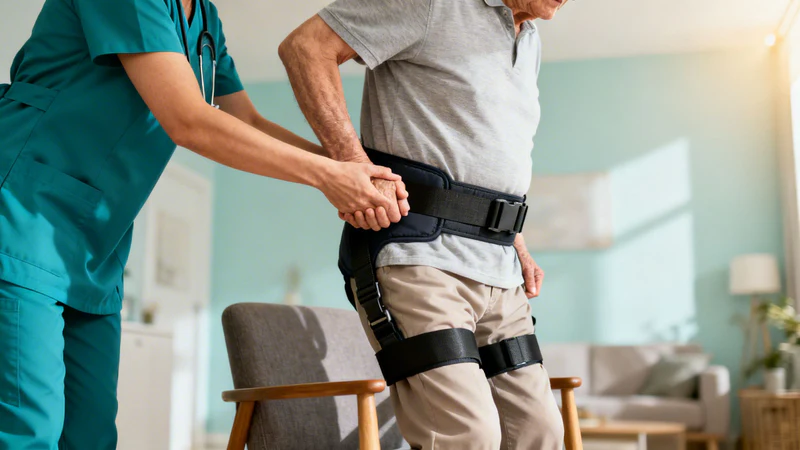
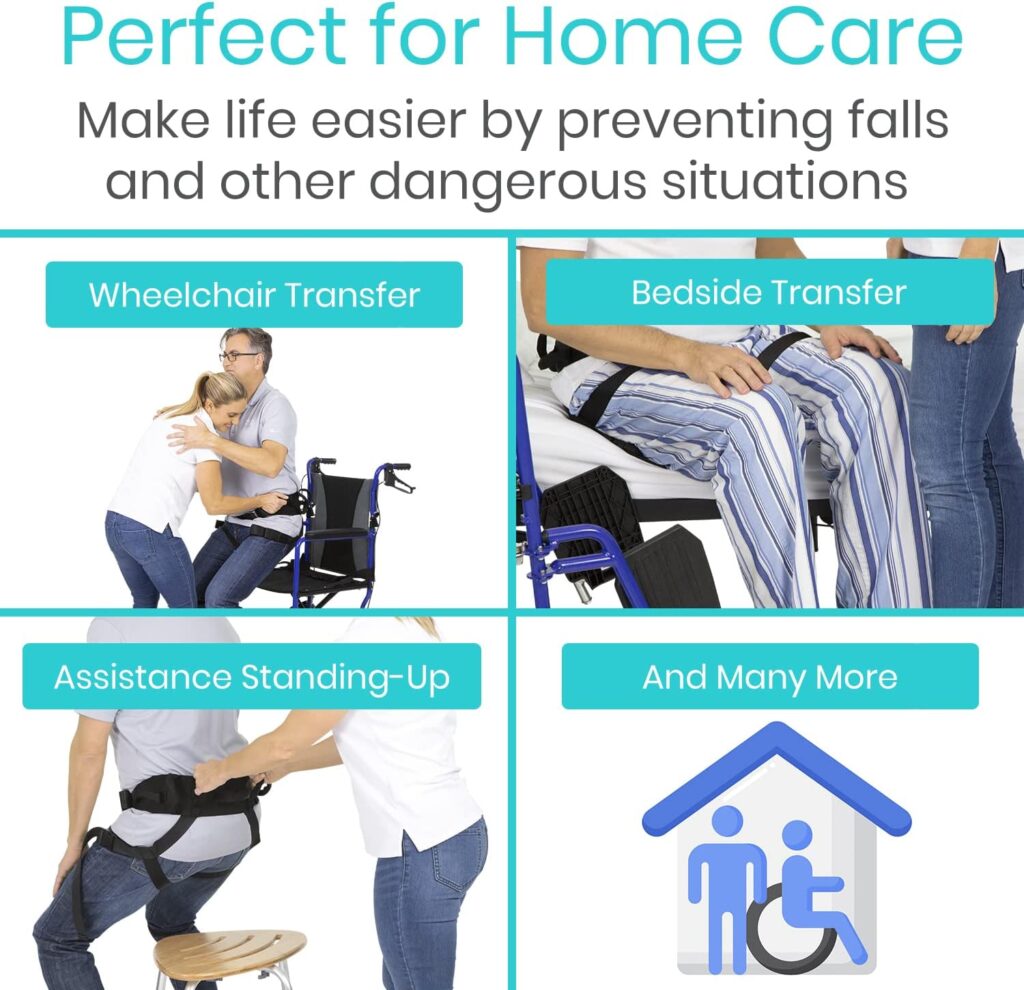
Choosing a transfer belt for seniors can make daily care feel more controlled, comfortable, and safer for both the older adult and the caregiver. This simple support aid is often used during standing, walking, wheelchair transfers, bed transfers, toilet transfers, and car transfers.
The right transfer belt for seniors should fit securely, feel comfortable, and give the caregiver a reliable place to hold while helping with movement. Features like padded handles, strong buckles, adjustable sizing, and leg straps can make a big difference, especially when transfers happen several times a day.
Still, a transfer belt for seniors is not meant to replace proper technique or professional guidance. It should not be used as a full lifting device. Instead, it works best as a caregiver transfer aid for steady support, balance assistance, and smoother movement during everyday senior care.
Table of Contents
Quick Answer: What Should You Look for in a Transfer Belt for Seniors?
A good transfer belt for seniors should be secure, comfortable, easy for the caregiver to grip, and suitable for the type of transfer being done. The best choice depends on whether the senior needs help with walking, standing, wheelchair transfers, bed transfers, toilet transfers, or car transfers.
For most home caregivers, the most useful features are a strong buckle, adjustable sizing, padded handles, durable stitching, and a material that is easy to clean. A transfer belt for seniors should fit snugly over clothing without pinching, sliding, or causing discomfort.
Handles are one of the most important features because they give the caregiver better control from different angles. A belt with several vertical and horizontal handles may be helpful when assisting with wheelchair transfers, standing from a chair, or moving from bed to a seated position.
Leg straps can also be useful in some situations. They may help keep the belt from riding up during movement, but they must be placed correctly so they do not cause discomfort. A transfer belt for seniors with leg straps may be a better option when extra stability is needed.
Comfort matters too. Look for soft padding, breathable fabric, and a width that spreads pressure more evenly. Seniors with sensitive skin, weakness, or discomfort during movement may need a belt that feels softer and more supportive.
Also check the listed weight capacity before buying. A transfer belt for seniors should match the person’s size, mobility level, and care needs. It should also be easy for the caregiver to put on, adjust, remove, and inspect before each use.
In general, choose a transfer belt for seniors that supports safe movement, gives the caregiver a steady grip, and fits the senior’s daily routine without adding unnecessary complexity.
Why Choosing the Right Transfer Belt Matters
Choosing the right transfer belt for seniors matters because every older adult has different mobility needs. Some seniors only need light support while walking across a room. Others may need more help moving from a bed to a wheelchair, standing from a toilet, or getting in and out of a car.
A belt that works well for walking may not be the best choice for more difficult transfers. For example, a simple gait belt may be enough for steadying someone during short walks, while a padded belt with several handles may give the caregiver better control during seated transfers.
The right transfer belt for seniors can also make caregiving feel less stressful. Strong handles, a secure buckle, and proper fit can help the caregiver guide movement with more confidence. This is especially helpful when transfers happen several times a day.
Comfort is another reason to choose carefully. A belt that is too narrow, stiff, or poorly fitted may press into the body or slide out of place. A well-chosen transfer belt for seniors should support safer movement while keeping the senior as comfortable as possible.
Transfer Belt vs Gait Belt: What Is the Difference?
The terms transfer belt and gait belt are often used in similar ways, but they are not always exactly the same. Both can help a caregiver support an older adult during movement, but the right choice depends on how the belt will be used.
A transfer belt for seniors is usually designed to help with everyday transfers, such as moving from a bed to a wheelchair, standing from a chair, getting on or off the toilet, or entering a car. Many transfer belts include padded handles, wider support areas, stronger buckles, or leg straps for added stability.
A gait belt is often a simpler belt used mainly for walking support and balance assistance. It gives the caregiver a secure place to hold while walking beside the senior. Some gait belts are plain straps, while others include handles or padding.
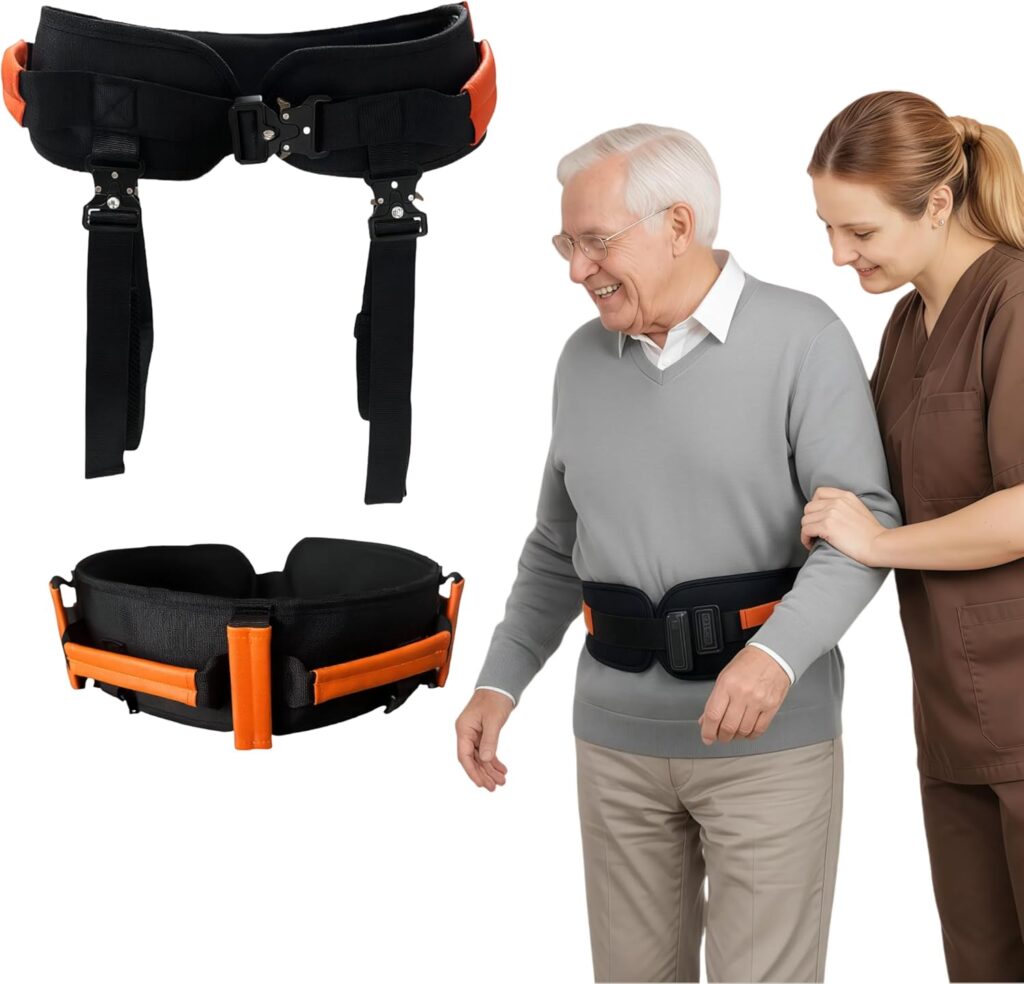
For home care, a transfer belt for seniors may be more useful when the caregiver needs several grip points or extra support during seated transfers. Handles can make it easier to guide movement from different angles without grabbing the senior’s arms, clothing, or shoulders.
A gait belt may be enough when the senior can stand and walk with only light support. It may be a good option for short indoor walks, supervised movement, or basic balance help.
The best choice depends on the senior’s strength, balance, comfort, and daily routine. A transfer belt for seniors with handles may be better for wheelchair transfers, toilet transfers, or car transfers. A simpler gait belt may work for seniors who mostly need steadying while walking.
Caregivers should also remember that a transfer belt for seniors is not meant to lift a person’s full body weight. It should be used for guidance, balance, and controlled support. When mobility is very limited or transfers feel unsafe, ask a physical therapist, occupational therapist, or healthcare professional for advice before using a transfer belt for seniors at home.
Key Features to Look for in a Transfer Belt for Seniors
When choosing a transfer belt for seniors, focus on features that improve fit, grip, comfort, and caregiver control. The right belt should match the senior’s mobility level and the type of help needed during daily transfers.
Secure Buckle Type
A strong buckle is one of the first things to check. Some belts use metal buckles, while others use quick-release buckles or locking teeth. A metal buckle may feel more secure for heavier use, while a quick-release buckle may be easier for caregivers who need to put the belt on and remove it often.
A transfer belt for seniors should stay firmly in place during movement. If the buckle feels weak, slips easily, or is difficult to adjust, it may not be the best choice for regular home care.
Handles and Grip Positions
Handles are very helpful because they give the caregiver a safer place to hold. A basic gait belt may not have handles, but many padded transfer belts include several grip points around the belt.
For wheelchair transfers, toilet transfers, and bed transfers, a transfer belt for seniors with vertical and horizontal handles may give better control from different angles. This can help the caregiver guide movement without pulling on the senior’s arms or clothing.
Leg Straps for Extra Stability
Some transfer belts include leg straps to help keep the belt from riding up. This can be useful when the senior needs more support during standing or seated transfers.
However, leg straps must be placed correctly. If they are too tight or positioned poorly, they may feel uncomfortable. A transfer belt for seniors with leg straps may be best for caregivers who need added stability and are comfortable adjusting the straps properly.
Padding and Comfort
Comfort matters, especially if the senior has sensitive skin, weakness, or discomfort during movement. Look for soft padding, breathable fabric, and smooth edges that do not dig into the body.
A padded transfer belt for seniors may feel better during repeated daily use. Wider padding can also spread pressure more evenly, which may help the belt feel more supportive during transfers.
Size and Adjustability
The belt should fit snugly over clothing without squeezing or sliding. A belt that is too loose may move out of place, while a belt that is too tight may cause discomfort.
Before buying a transfer belt for seniors, check the size range carefully. Adjustable sizing is important because seniors have different body shapes, clothing layers, and comfort needs.
Weight Capacity and Stitching
Always check the listed weight capacity. The belt should be rated for the person using it, but weight capacity is not the only safety factor. The senior’s balance, strength, and ability to follow instructions also matter.
A good transfer belt for seniors should have strong stitching, durable fabric, and secure handle attachments. Caregivers should inspect the belt often for worn seams, loose threads, or damaged buckles.
Material and Cleaning
Transfer belts may be made from nylon, mesh, cotton, or padded fabric. Nylon is often durable and easy to clean, while mesh may feel more breathable. Some belts are machine washable, while others should be wiped clean.
For daily care, choose a transfer belt for seniors that is simple to clean and comfortable enough for repeated use. This is especially important if the belt will be used for bathroom transfers, therapy sessions, or shared caregiving routines.
Who Needs Which Type of Transfer Belt?
The right transfer belt for seniors depends on the type of help needed. Some seniors need light balance support, while others need more controlled assistance for transfers between a bed, wheelchair, chair, toilet, or car.
Best for Walking Support
For seniors who can stand and walk with some help, a simple gait belt or padded belt may be enough. Look for a secure buckle, adjustable sizing, and at least a few easy grip points. This type of transfer belt for seniors is best when the caregiver mainly needs to steady the person during short walks.
Best for Wheelchair Transfers
For wheelchair transfers, choose a belt with multiple handles. Handles on the sides and back can help the caregiver guide movement more safely from different angles. A transfer belt for seniors with leg straps may also help keep the belt from sliding upward during seated transfers.
Best for Toilet or Car Transfers
Toilet and car transfers often require careful positioning in a small space. A padded belt with strong handles can give the caregiver better control without pulling on the senior’s arms or clothing. The belt should be easy to adjust, remove, and clean.
Best for Bed Transfers or Repositioning
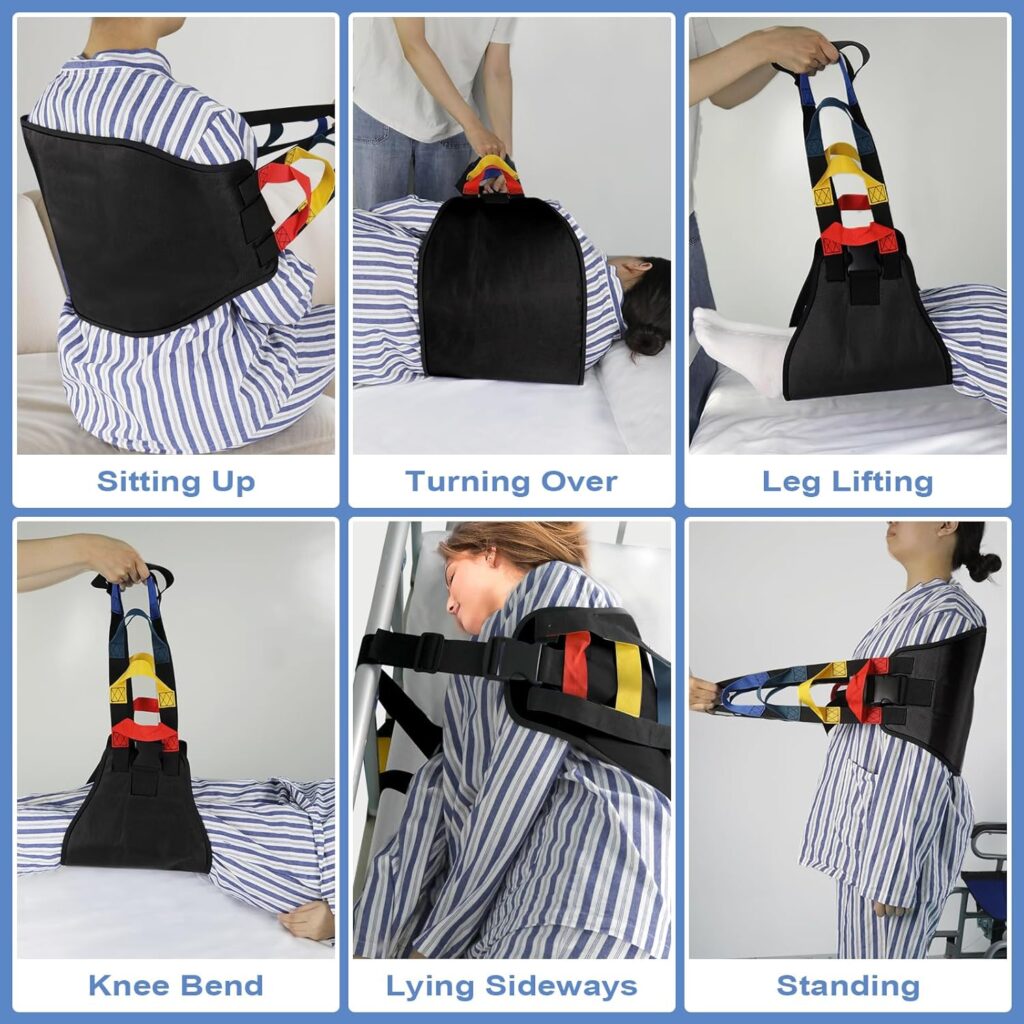
For moving from bed to a chair or helping with repositioning, a wider transfer sling style may be more comfortable. This type spreads pressure across a larger area and may offer more handle positions.
Best for Larger Users
For larger users, check the weight capacity, belt length, stitching, buckle strength, and handle reinforcement. A transfer belt for seniors should feel secure, fit properly, and match the caregiver’s ability to assist safely.
Light Product Examples
These examples can help caregivers understand what different styles look like before choosing a transfer belt for seniors. The best option depends on the senior’s mobility, the type of transfer, and the caregiver’s comfort with the belt design.
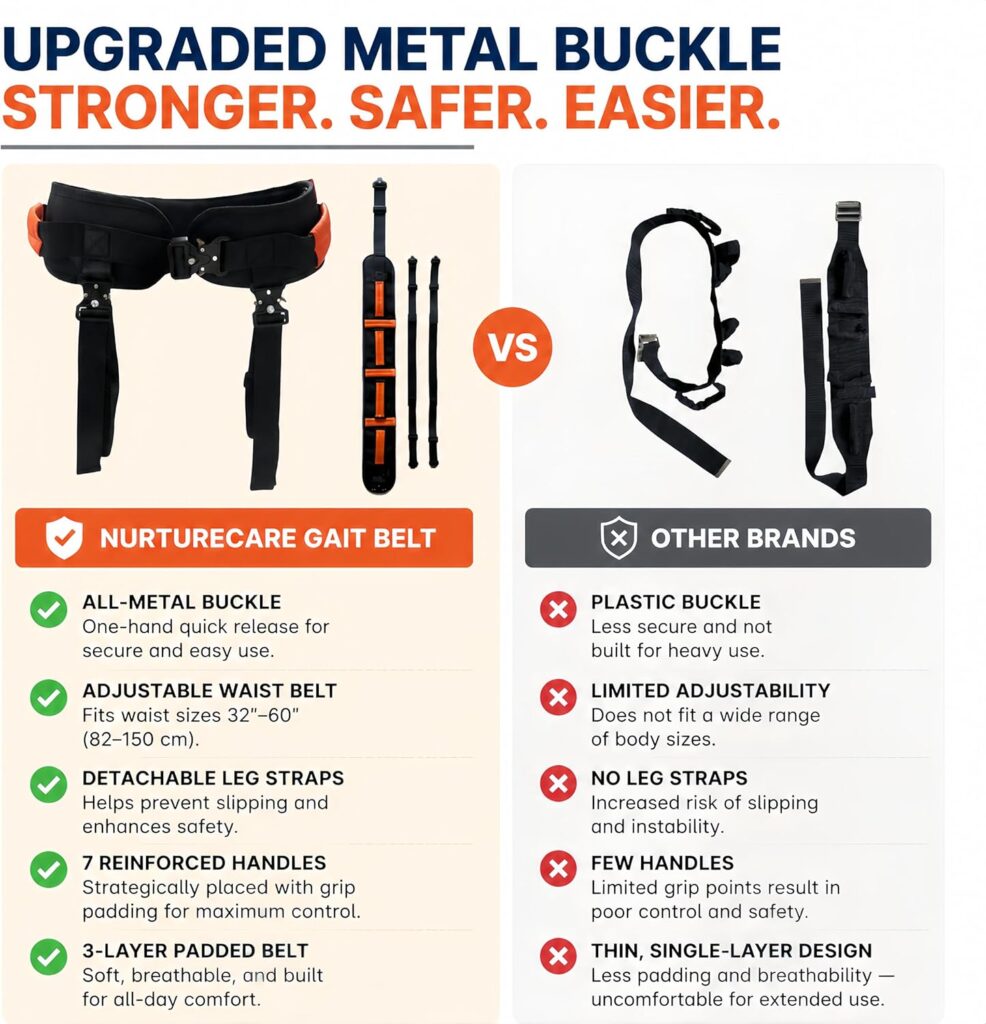
NurtureCare Gait Belt with Metal Buckle and Detachable Leg Straps
The NurtureCare Gait Belt is a good example of a more supportive transfer belt for seniors. It includes a metal buckle, detachable leg straps, padded handles, breathable mesh, reinforced stitching, and heavy-duty fabric.
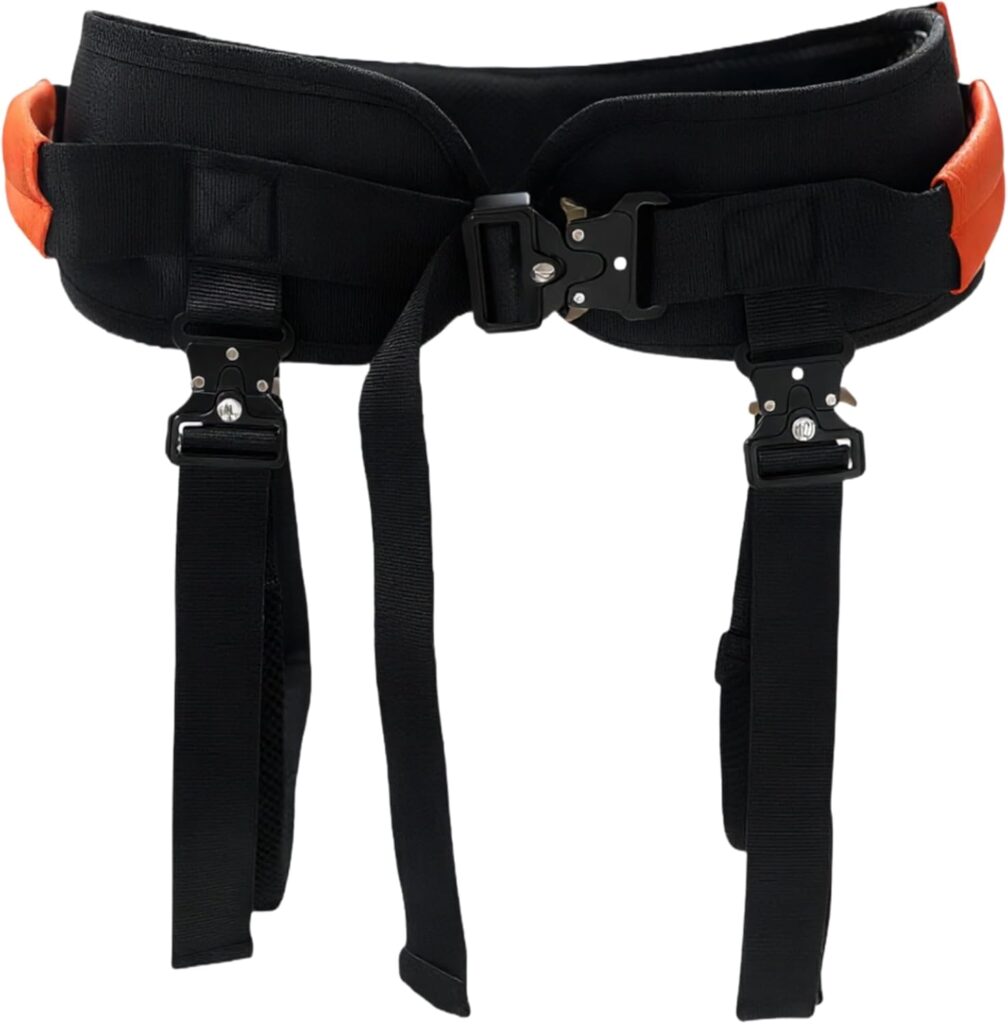
This style may work well for standing support, walking help, wheelchair transfers, toilet transfers, bed transfers, and car transfers. The multiple handles give caregivers different grip points, while the leg straps may help reduce slipping when fitted correctly.
The metal buckle may feel strong, but it could also feel heavier than a lighter buckle. Caregivers should also take time to position the leg straps carefully for comfort and safety.
Vive Transfer Belt with Leg Loops
The Vive Transfer Belt with Leg Loops is another example of a transfer belt for seniors that focuses on stability. It includes leg loops, a quick-release latch, metal locking teeth, nylon webbing, and reinforced stitching.
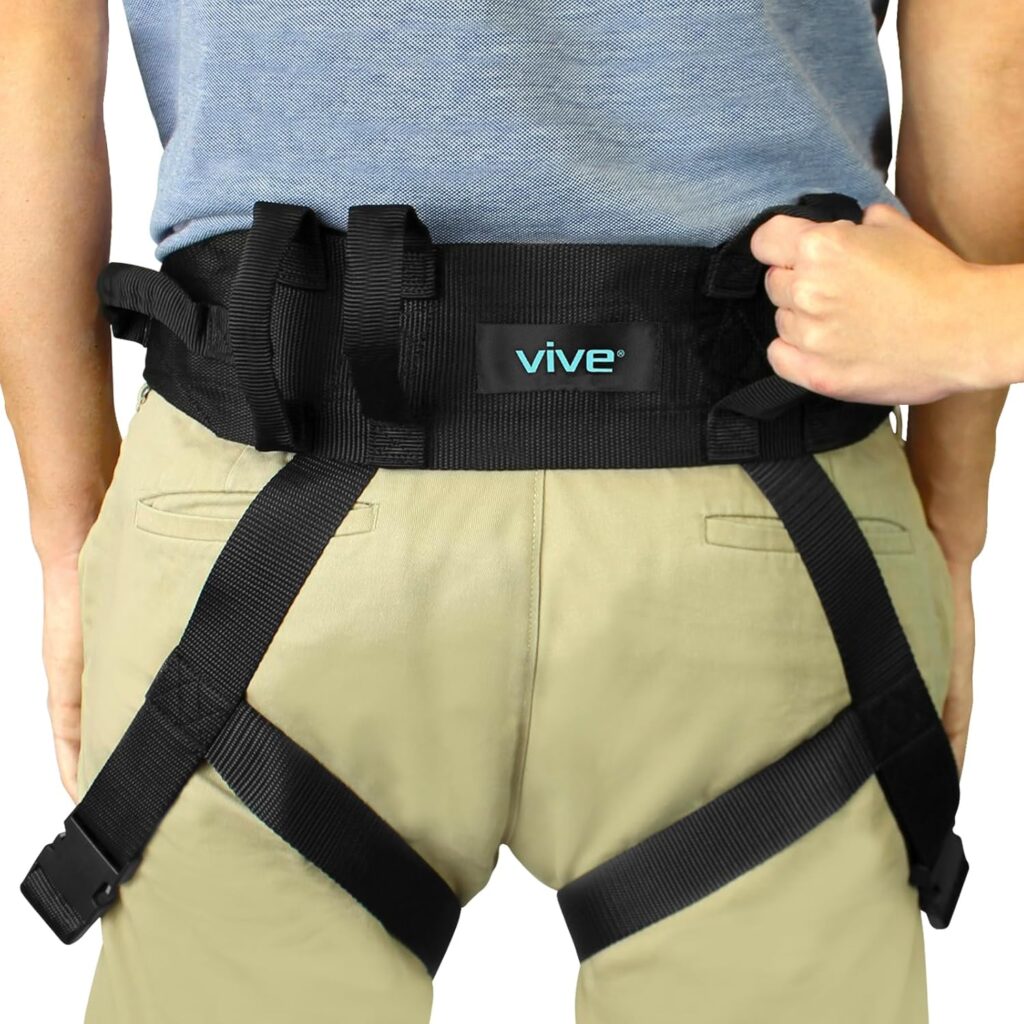
This type may be helpful when a caregiver wants a belt that stays more secure during transfers or walking support. The quick-release buckle can also make the belt easier to put on and remove.
Because full current listing details may vary, caregivers should check the size, fit, and availability before buying.
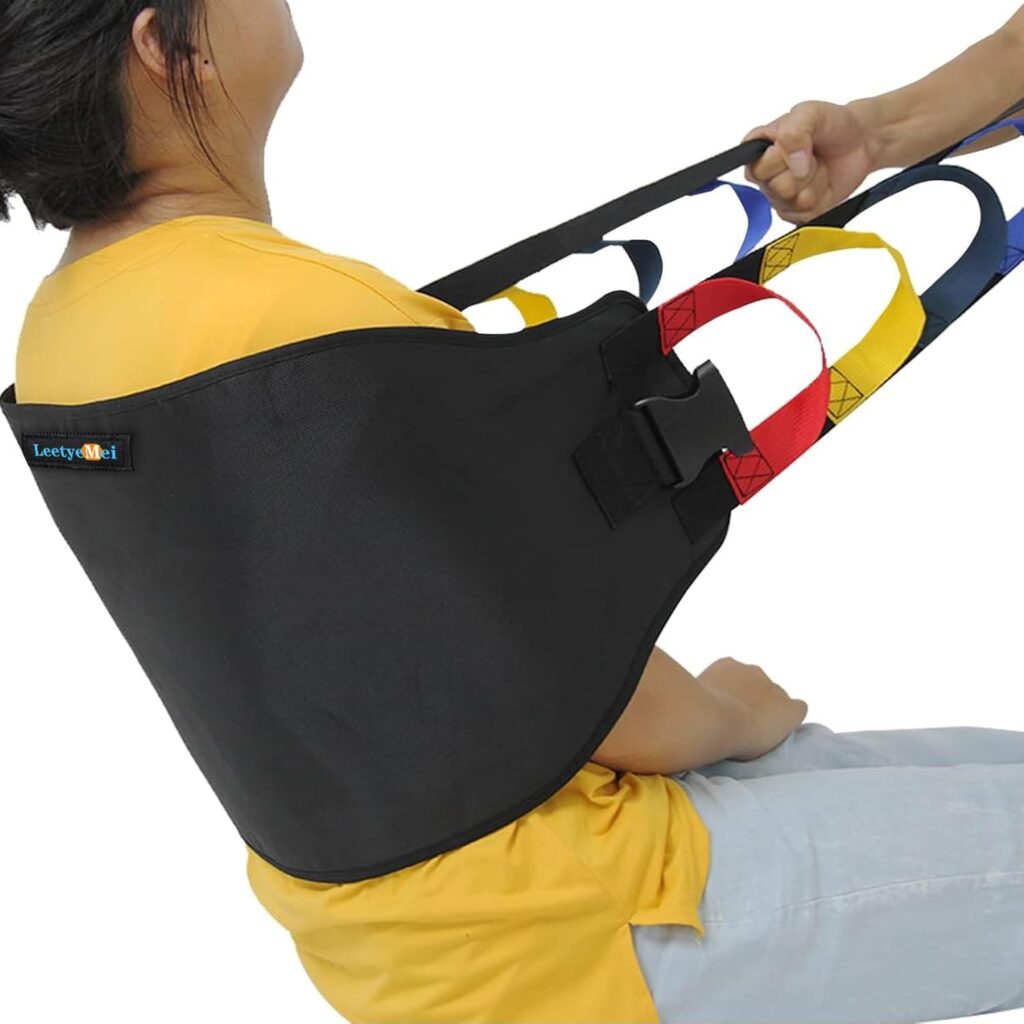
Leetye Mei Transfer Sling Transfer Belt
The Leetye Mei Transfer Sling is closer to a sling-style transfer belt for seniors. It has a wider back contact area, nylon and mesh materials, several handles, an adjustable waist strap, and a quick-release buckle.
This option may be better for bed, sofa, and wheelchair repositioning rather than simple walking support. The wider design may feel more comfortable for some seniors because it spreads pressure across a larger area.
Before each use, caregivers should check the seams, handles, straps, and buckle for wear.
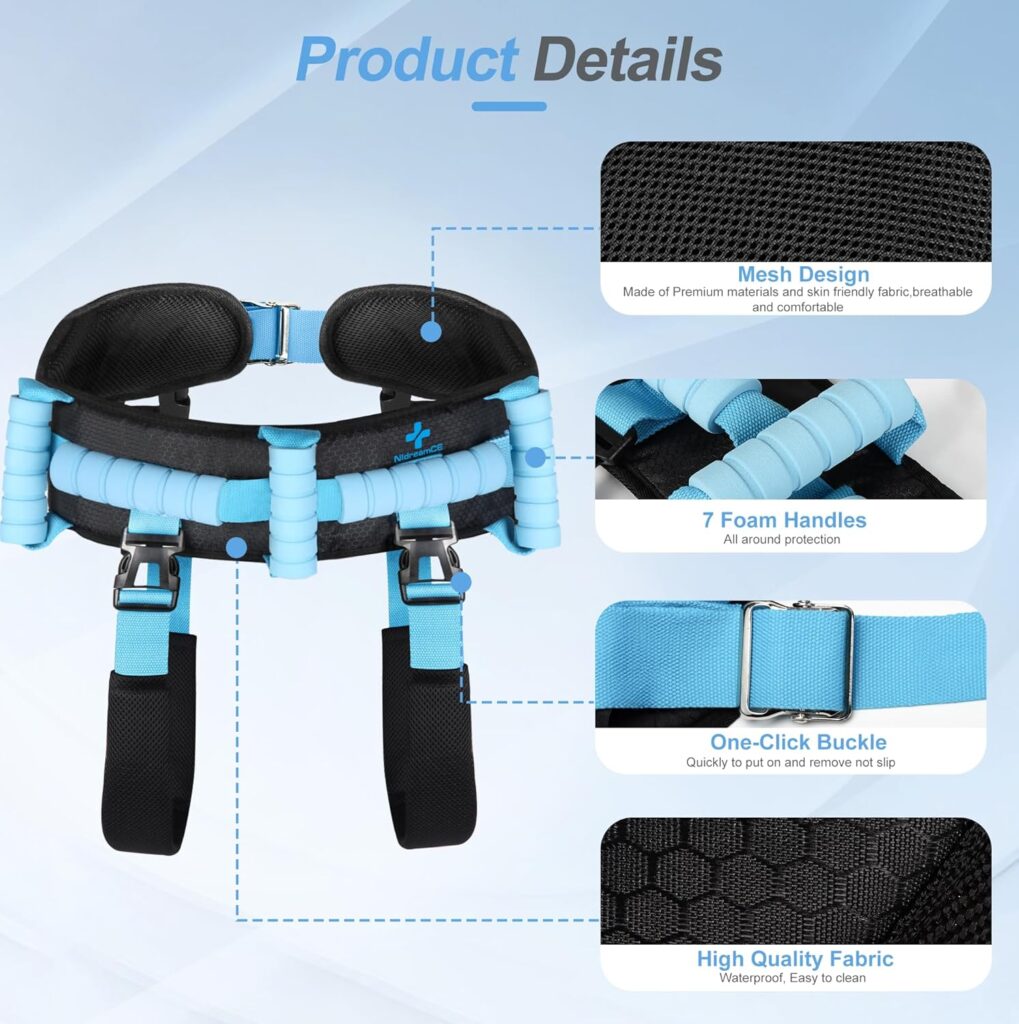
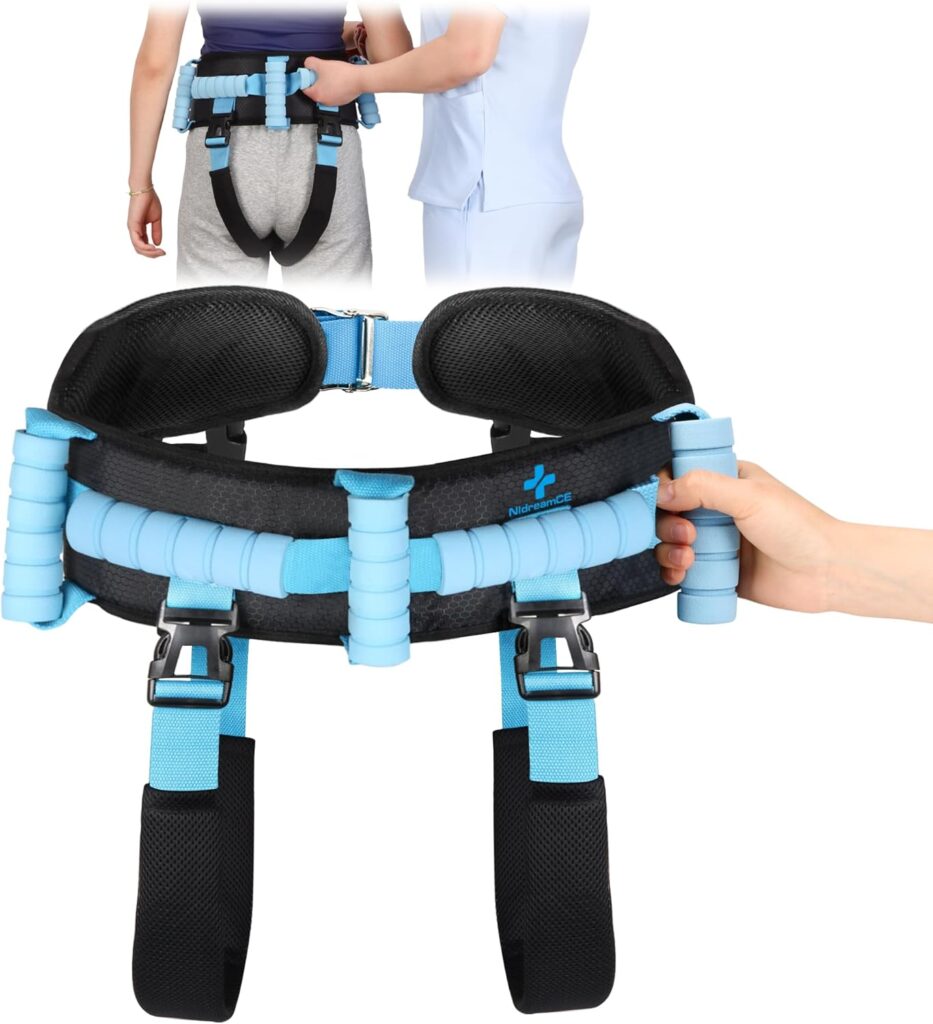
NIdreamCE Gait Belt Transfer Belt with 7 Handles and 2 Leg Straps
The NIdreamCE model is a transfer belt for seniors with several grip positions. It includes 7 handles, 2 leg straps, a quick-release buckle, reinforced stitching, and machine-washable nylon webbing.
This design may be useful for caregivers who need different grip angles during walking support, bed transfers, wheelchair transfers, or home care. The leg straps can help keep the belt anchored, but they must be adjusted correctly.
Since buying availability can change, caregivers should confirm the current listing status before choosing this belt.
Common Mistakes to Avoid
Choosing a transfer belt for seniors is easier when you know what problems to avoid. A belt may look simple, but the wrong size, weak grip, or poor placement can make daily transfers harder for both the senior and the caregiver.
Choosing the Wrong Size
One common mistake is buying a belt without checking the size range. A transfer belt for seniors should fit snugly over clothing without squeezing the body or sliding upward. If the belt is too loose, the caregiver may not have steady control. If it is too tight, it may cause discomfort.
Using the Belt as a Lifting Device
A transfer belt for seniors should not be used to lift a person’s full body weight. It is mainly for support, balance, and guidance during movement. If the senior cannot help with standing or moving, a different transfer aid or professional guidance may be needed.
Ignoring Handle Placement
Handles can make a big difference during care. Some belts have only one or two grip points, while others have several handles around the belt. A transfer belt for seniors with multiple handles may be easier to use for wheelchair transfers, toilet transfers, and car transfers because the caregiver can hold from a better angle.
Forgetting About Comfort
Comfort is important, especially for seniors with sensitive skin, weakness, or pain during movement. A stiff or narrow belt may press into the body. Look for padding, breathable material, smooth edges, and a design that feels supportive during repeated use.
Overlooking Leg Strap Fit
Leg straps can help keep a transfer belt for seniors from riding up, but they need to be adjusted carefully. Straps that are too tight may feel uncomfortable. Straps that are too loose may not add much stability. Caregivers should check the fit before each transfer.
Not Checking the Belt Before Use
Before using a transfer belt for seniors, inspect the buckle, handles, seams, leg straps, and fabric. Do not use a belt if the stitching is loose, the buckle slips, or the handles feel weak. A quick check can help prevent problems during movement.
Skipping Professional Advice
If transfers feel difficult or unsafe, ask a physical therapist, occupational therapist, nurse, or doctor for guidance. A transfer belt for seniors can be helpful, but it must match the senior’s strength, balance, comfort, and care needs.
Safety and Usability Considerations for a Transfer Belt for Seniors
A transfer belt for seniors should make movement more controlled, not more stressful. Before using one, the caregiver should understand the senior’s strength, balance, comfort level, and ability to follow simple directions during movement.
The belt should be placed over clothing and adjusted so it feels snug but not painful. It should not press into the ribs, stomach, or sensitive areas. A transfer belt for seniors that slides, twists, or rides up during movement may not be fitted correctly.
Caregiver position is also important. The caregiver should stand close, keep a stable stance, and use the handles instead of pulling on the senior’s arms or clothing. Good body position can help reduce strain and make each transfer feel more controlled.
Communication matters during every transfer. Before moving, the caregiver should explain what will happen, ask if the senior is ready, and move slowly. A transfer belt for seniors works best when both people understand the next step.
The belt should also match the transfer situation. Walking support may only need a simple padded belt with good handles. Wheelchair, toilet, or car transfers may need more grip points or leg straps. A transfer belt for seniors with leg straps can add stability, but the straps must be adjusted carefully for comfort.
Do not use the belt if the senior cannot bear weight, feels dizzy, has sudden weakness, or seems unable to help with movement. In those cases, a different caregiver transfer aid may be safer. A transfer belt for seniors should support movement, but it should not replace professional advice when transfers are difficult.
Check the belt before each use. Look at the buckle, stitching, handles, fabric, and leg straps. Do not use the belt if any part looks worn, loose, cracked, or unsafe. This is especially important when the belt is used daily.
Cleaning is another usability point. Bathroom transfers, therapy routines, and shared caregiving can make the belt dirty over time. A transfer belt for seniors made from washable or wipeable material may be easier to keep clean.
The safest choice is the belt that fits well, feels comfortable, gives the caregiver a steady grip, and suits the senior’s daily routine. A transfer belt for seniors can be helpful at home, but safe technique and careful judgment should always come first.
Which Features Matter Most in a Transfer Belt for Seniors?
The most important features in a transfer belt for seniors depend on how the belt will be used. A caregiver helping with short walks may need different features than someone helping with wheelchair, bed, toilet, or car transfers.
For Walking Support
For walking support, look for a secure buckle, comfortable fit, and easy grip points. A simple padded gait belt may work if the senior can stand and walk with light help. The belt should stay in place while the caregiver supports balance and movement.
A transfer belt for seniors used for walking should not feel bulky or difficult to adjust. It should be easy to put on before short walks around the home, therapy exercises, or supervised movement from one room to another.
For Wheelchair Transfers
For wheelchair transfers, handles matter more. A belt with several vertical and horizontal handles gives the caregiver more ways to hold and guide movement. This can be helpful when moving from a wheelchair to a chair, bed, sofa, or toilet.
A transfer belt for seniors with leg straps may also help keep the belt from sliding upward during seated transfers. The straps should be adjusted carefully so they add stability without causing discomfort.
For Toilet and Bathroom Transfers
Bathroom transfers can be more challenging because space is often limited. For this situation, choose a belt that is easy to grip, quick to adjust, and simple to clean. Washable or wipeable material is useful for daily bathroom care.
A transfer belt for seniors used in the bathroom should feel secure but not too bulky. The caregiver should be able to hold the handles comfortably while helping the senior stand, turn, or sit.
For Bed Transfers and Repositioning
For bed transfers, a wider belt or sling-style design may be more useful. These options can spread pressure across a larger area and offer more handle positions for controlled movement.
A transfer belt for seniors used for repositioning should have strong stitching, durable fabric, and handles that feel firmly attached. It should also be checked before each use.
For Caregiver Comfort
Caregiver comfort matters too. Multiple handles can reduce awkward reaching and help the caregiver choose a better grip angle. A good caregiver transfer aid should support safe movement without adding unnecessary strain.
The best transfer belt for seniors is the one that fits the senior’s body, supports the specific transfer task, and gives the caregiver steady control. Before buying, compare buckle type, handle placement, comfort, cleaning needs, and weight capacity. A well-chosen transfer belt for seniors can make everyday care feel more organized, safer, and easier to manage.
How to Choose the Best Transfer Belt for Seniors
Choosing the best transfer belt for seniors starts with the senior’s daily needs. Before looking at product features, think about where the belt will be used most often. A belt for short walks may not need the same design as a belt for wheelchair transfers, toilet transfers, bed transfers, or car transfers.
1. Decide What Type of Transfer Help Is Needed
First, list the main situations where help is needed. Does the senior need support while standing from a chair, walking across the room, moving from bed to wheelchair, or getting into a car?
A transfer belt for seniors should match the task. For light walking support, a simple padded belt may be enough. For more controlled transfers, a belt with handles or leg straps may be more useful.
2. Check the Senior’s Mobility Level
The senior’s strength and balance should guide the choice. Some seniors can stand and move with only light steadying. Others need more hands-on support from a caregiver.
A transfer belt for seniors works best when the person can take part in the movement. If the senior cannot bear weight or follow basic directions, ask a physical therapist, occupational therapist, or healthcare provider about safer options.
3. Choose the Right Belt Style
There are several styles to consider. A basic gait belt may help with balance during walking. A padded belt with handles can give the caregiver more grip points. A belt with leg straps may help reduce slipping. A sling-style belt may be better for repositioning between a bed, sofa, and wheelchair.
The best transfer belt for seniors is the one that fits the real care situation, not just the one with the most features.
4. Check Size and Adjustability
A belt should fit snugly over clothing without squeezing or sliding. Check the waist size range before buying, especially if the senior wears thick clothing or has a larger body shape.
An adjustable transfer belt for seniors is usually easier to fit correctly. The caregiver should be able to tighten, loosen, and remove the belt without struggling.
5. Look at Handle Placement
Handles can make transfers easier for caregivers. Side handles, back handles, and front handles all serve different purposes. Multiple grip points may help during wheelchair transfers, toilet transfers, and standing support.
A transfer belt for seniors with several handles can give the caregiver more control from different angles. This may reduce the need to grab clothing, arms, or shoulders during movement.
6. Review Buckle Security
The buckle should feel strong and easy to use. Metal buckles may feel secure for frequent transfers, while quick-release buckles may be easier for daily home care.
Before using a transfer belt for seniors, check that the buckle locks properly and does not slip when gentle pressure is applied.
7. Consider Comfort and Material
Comfort matters because the belt may be used several times a day. Look for padding, smooth edges, breathable fabric, and material that does not feel rough against clothing.
A comfortable transfer belt for seniors is more likely to be accepted by the person using it. It should feel supportive, not stiff, painful, or awkward.
8. Confirm Weight Capacity
Always check the listed weight capacity and compare it with the senior’s body weight. Also look at stitching, handle strength, fabric quality, and buckle design.
A transfer belt for seniors should feel sturdy enough for the intended use, but weight capacity alone does not make it safe. Proper fit, technique, and caregiver ability are also important.
9. Check Cleaning Instructions
Home care can involve bathroom use, therapy routines, and frequent handling. Choose a belt that is easy to clean, wipe, or wash.
A washable transfer belt for seniors may be more practical for daily caregiving, especially if more than one caregiver will use it.
10. Ask for Guidance When Unsure
If transfers feel risky, uncomfortable, or confusing, ask a professional for help. A physical therapist or occupational therapist can show safer techniques and suggest whether a belt, walker, transfer board, lift, or another caregiver transfer aid is more appropriate.
The safest transfer belt for seniors is not always the most expensive one. It is the belt that fits well, supports the right type of movement, feels comfortable, and helps the caregiver provide steady support with confidence.
FAQ About Choosing a Transfer Belt for Seniors
What is a transfer belt for seniors used for?
A transfer belt for seniors is used to help a caregiver support an older adult during movement. It may be used for standing, walking, wheelchair transfers, bed transfers, toilet transfers, or car transfers. The belt gives the caregiver a safer place to hold instead of pulling on the senior’s arms or clothing.
Is a transfer belt the same as a gait belt?
The terms are often used together, but they can be slightly different. A gait belt is usually used for walking support and balance. A transfer belt for seniors may include extra features such as padded handles, wider support, leg straps, or a stronger buckle for more controlled transfers.
Can a transfer belt be used to lift a senior?
A transfer belt for seniors should not be used to lift a person’s full body weight. It is meant for support, balance, and guidance during movement. If the senior cannot bear weight or cannot help with the transfer, a different transfer aid may be safer.
Are handles important on a transfer belt?
Yes, handles are very helpful for many caregivers. A transfer belt for seniors with several handles can give the caregiver better control from different angles. This may be useful during wheelchair transfers, toilet transfers, bed transfers, and car transfers.
What type of transfer belt is best for home care?
The best option depends on the senior’s needs. For light walking support, a simple padded gait belt may be enough. For wheelchair or toilet transfers, a transfer belt for seniors with multiple handles may be easier for caregivers to use. For repositioning, a wider sling style may be more comfortable.
When should you not use a transfer belt?
Do not use a belt if the senior cannot follow directions, feels dizzy, cannot bear weight, or seems unsafe to move. Also avoid using a damaged belt. If transfers feel difficult, ask a physical therapist, occupational therapist, nurse, or doctor for guidance before using a transfer belt for seniors at home.
Final Guidance
Choosing a transfer belt for seniors should always start with the person’s real care needs. Think about where support is needed most, such as walking, standing, wheelchair transfers, toilet transfers, bed transfers, or car transfers.
The best choice is not always the belt with the most features. A good transfer belt for seniors should fit securely, feel comfortable, offer strong caregiver grip, and match the senior’s mobility level. Handles, leg straps, padding, buckle type, size range, and cleaning instructions all matter.
Caregivers should also remember that a transfer belt for seniors is not a full lifting device. It is mainly used for balance, guidance, and controlled support. If the senior cannot bear weight, feels dizzy, or needs heavy assistance, ask a physical therapist, occupational therapist, nurse, or doctor for safer guidance.
Before buying, compare the belt’s size, weight capacity, handle placement, buckle security, and comfort. The right transfer belt for seniors can make daily care easier, but safe technique, good communication, and careful use are just as important as the product itself.