15 Actionable Ways to Manage Arthritis Pain Naturally


Living with arthritis can feel like a constant battle against your own body. The daily reality of stiff, aching joints is frustrating, and while medication has its place, you know there has to be more you can do to Manage Arthritis Pain Naturally and take back control and find lasting relief.
What if you had a practical, science-backed roadmap to managing that pain? That’s exactly what this guide is.
Forget simple lists of remedies you’ve already seen. We’ve created a truly actionable resource designed to help you feel better, starting today. Inside, you won’t just learn what to do, you’ll get the tools to actually do it. We’re giving you a downloadable 3-day anti-inflammatory meal plan, and a simple comparison chart to demystify supplements.
This is your complete plan for natural arthritis management. Let’s get started.
Table of Contents
The Foundation: An Anti-Inflammatory Diet for Arthritis
The old saying “you are what you eat” holds powerful truth when it comes to managing arthritis. While no diet can cure arthritis, the foods you choose every day can have a direct impact on the inflammation levels throughout your body. Adopting an anti-inflammatory eating pattern is a cornerstone of natural arthritis management, helping to reduce pain, stiffness, and swelling from the inside out.
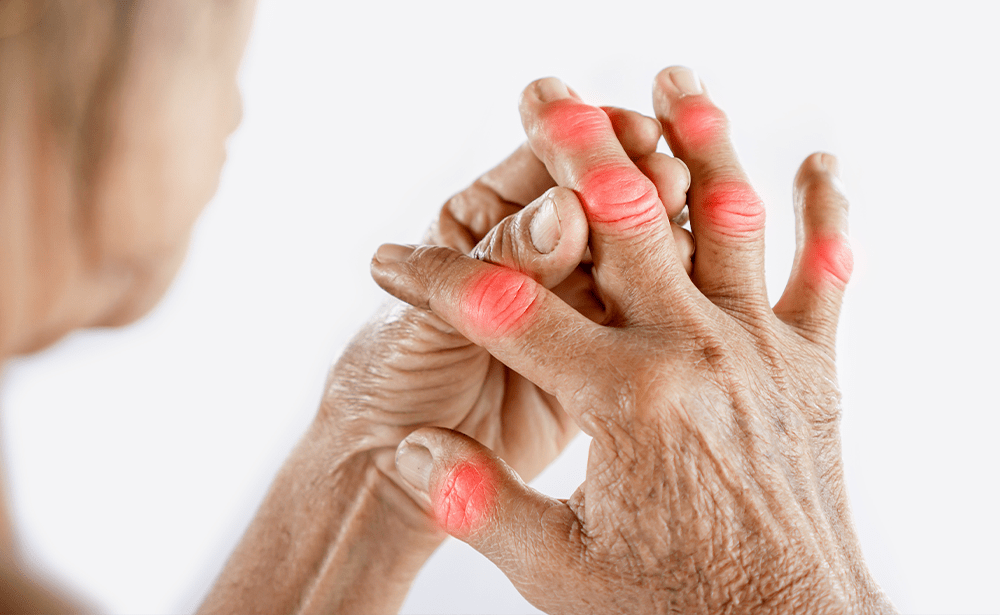
How Food Fights Inflammation: The Science Made Simple
Inflammation is a natural process your body uses to protect itself from injury or infection. It’s a helpful, temporary response. However, in conditions like arthritis, this inflammatory response can become chronic, meaning it stays active and continuously irritates your joints.
Think of certain foods as either calming this fire or fanning the flames. Anti-inflammatory foods are rich in nutrients like antioxidants and omega 3s. These compounds help signal to your body that it’s time to cool down the inflammatory response. Conversely, some foods, particularly those that are highly processed, can trigger the release of more inflammatory messengers, making your symptoms worse. By choosing the right foods, you can actively help your body find a better, less inflamed balance.
The Core Foods for Your Arthritis Diet
Focus on incorporating a rich variety of whole, unprocessed foods into your meals. Building your diet around these powerhouse ingredients can provide steady, pain-fighting benefits.
- Omega 3 Fatty Acids: These are potent anti-inflammatory agents. Find them in fatty fish like salmon, mackerel, and sardines, as well as in walnuts, flaxseeds, and chia seeds.
- Antioxidant Rich Fruits and Veggies: Antioxidants protect your body from the stress that contributes to inflammation. Load up on colorful options like berries, leafy greens such as spinach and kale, broccoli, and sweet potatoes.
- Healthy Fats: Extra virgin olive oil is particularly beneficial. It contains a compound called oleocanthal, which has properties similar to anti-inflammatory drugs. Avocados and nuts are also excellent choices.
- Whole Grains: Foods like oatmeal, brown rice, and quinoa are high in fiber, which can help lower levels of C reactive protein, a marker of inflammation in the blood.
This section can link naturally to Best Sleep Positions for Seniors, Chair Yoga for Seniors, and Chair Exercises for Seniors because gentle movement, better body positioning, and low-impact exercise all fit well with natural ways to reduce stiffness and improve daily comfort.
Foods to Limit or Avoid for Arthritis Pain Management
Just as important as what you add to your diet is what you limit. These items are known to promote inflammation and may worsen your arthritis symptoms.
- Sugar and Refined Carbs: Sugary sodas, pastries, and white bread can trigger the release of inflammatory cytokines.
- Saturated and Trans Fats: Found in red meat, full fat dairy, and many processed snack foods, these fats can increase inflammation throughout the body.
- Highly Processed Foods: Anything with a long list of artificial ingredients, preservatives, and flavorings can be a potential trigger for your body’s inflammatory response.
Your Actionable Tool: 3-Day Arthritis-Friendly Meal Plan & Shopping List
To make it easy to start eating well, we’ve created a complete three day meal plan for you. This guide is packed with delicious, easy to prepare, anti-inflammatory meals. It also includes a convenient shopping list so you know exactly what to get at the store.
Spotlight Recipe: The 5-Minute Anti-Inflammatory Turmeric Smoothie
Need a quick and powerful breakfast or snack? This smoothie combines some of nature’s best inflammation fighters into one delicious drink. Turmeric’s active compound, curcumin, is a well known anti-inflammatory, while the pineapple provides another enzyme called bromelain.
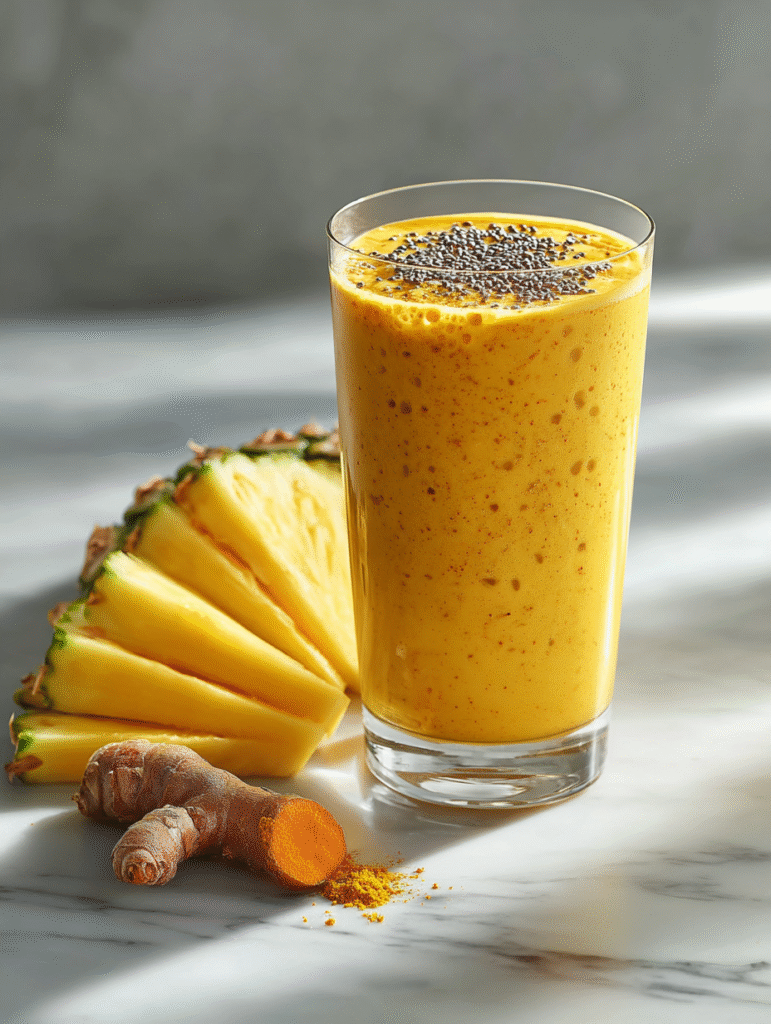
Ingredients:
- 1 cup frozen pineapple chunks
- 1/2 cup unsweetened almond milk
- 1/2 teaspoon ground turmeric
- 1 tablespoon chia seeds
- A small piece of fresh ginger, peeled
Instructions: Combine all ingredients in a blender. Blend on high until completely smooth. Enjoy immediately for the best taste and benefits.
Movement as Medicine: Safe Exercise and Stretching
When your joints are stiff and sore, exercise might be the last thing on your mind. However, gentle and consistent movement is one of the most powerful natural tools you have for managing arthritis pain. Think of it as lubricating your joints from the inside out. The right kind of activity can decrease pain, improve your range of motion, and give you a powerful sense of control over your body.
Why Low-Impact Movement is Your Best Friend
High impact activities like running can jar sensitive joints, but low impact exercises provide all the benefits without the stress. Regular, gentle movement works to combat arthritis in several key ways.
- It Strengthens Supporting Muscles. Strong muscles act like a natural brace for your joints. When the muscles around your knee or hip are strong, they absorb more of the shock from daily movement, taking the pressure off the joint itself.
- It Improves Flexibility. Arthritis works to limit your range of motion. Gentle stretching and exercise counter this by keeping your connective tissues pliable, which helps you move more freely and with less pain.
- It Nourishes Your Cartilage. Movement helps circulate the synovial fluid in your joints. This fluid is vital because it delivers oxygen and nutrients to your cartilage, keeping it as healthy as possible.
- It Reduces Overall Pain. Exercise releases endorphins, which are your body’s natural pain relievers. This can create a positive cycle: the more you move comfortably, the better you feel.
The Best Types of Exercise for Arthritis
The goal is to find activities you enjoy and can stick with. Here are some of the best and safest options for people with arthritis.
- Walking. Simple, free, and effective. Walking is a great weight bearing exercise that helps maintain bone density without stressing joints. Start with short, 10 minute walks and gradually increase your time.
- OA vs. RA Note: For osteoarthritis (OA), focus on good, cushioned shoes. For rheumatoid arthritis (RA), walk when you feel least stiff, often later in the day, and avoid walking during a severe flare.
- Water Aerobics (Hydrotherapy). Water supports your body weight, which dramatically reduces the impact on your joints. The resistance of the water helps build muscle, while the warmth can be very soothing for aches and pains.
- Yoga. Modified, gentle yoga focuses on slow, controlled movements and stretches that are perfect for improving flexibility and reducing stress. Look for classes labeled “Gentle Yoga” or “Yoga for Arthritis.”
- OA vs. RA Note: For OA, poses that strengthen the quadriceps can be very helpful for knee stability. For RA, avoid poses that put too much pressure on sensitive wrists and listen carefully to your body, modifying as needed.
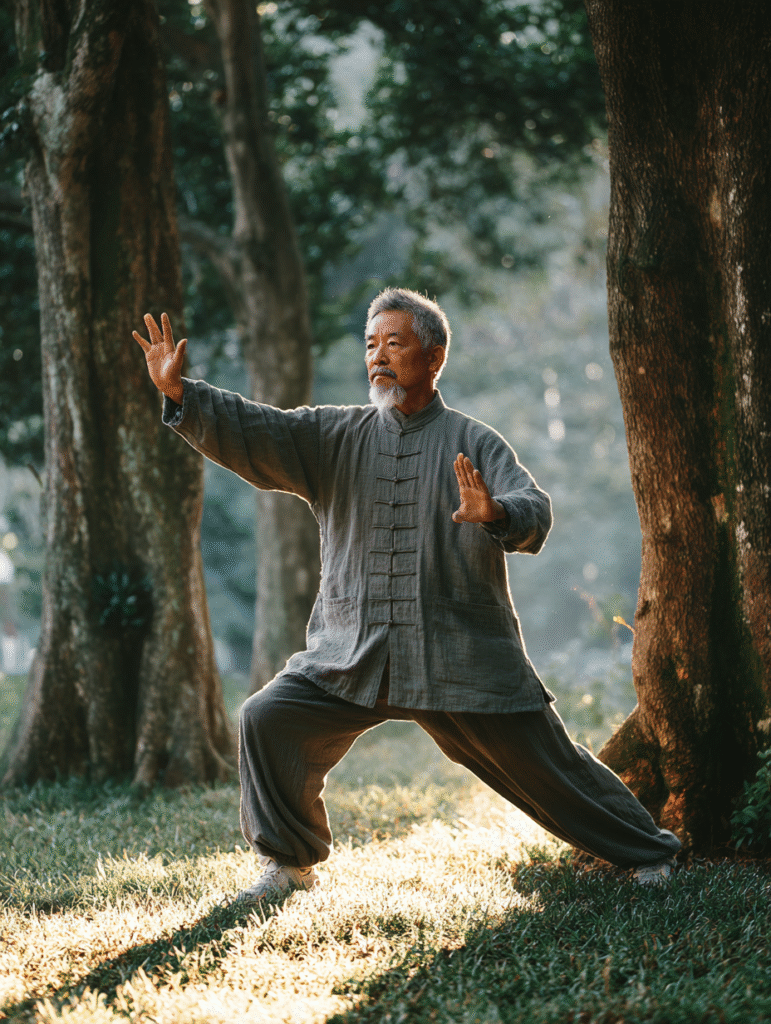
- Tai Chi. This ancient practice involves slow, flowing movements that build balance, improve flexibility, and promote a sense of calm. Studies have shown it can significantly reduce pain for people with arthritis.
Targeted Relief: A Guide to Key Supplements & Herbs
The world of dietary supplements can be confusing. While some herbs and supplements have strong scientific backing for their ability to reduce arthritis pain and inflammation, others have less evidence. This section is designed to bring clarity to the most popular options, helping you understand what might work for you.
Important First Step: Talk to Your Doctor
Before you add any new supplement to your routine, it is absolutely essential to speak with your doctor or a registered dietitian. This is not a step to be skipped. Supplements can be powerful, and they can potentially interact with prescription medications, including blood thinners, diabetes drugs, and blood pressure medications. Your doctor can help you navigate these choices safely and ensure they are a good fit for your specific health needs and condition.
The Ultimate Supplement Comparison Chart
To help simplify your research, we have organized the most common supplements for arthritis into one easy to read chart. We have reviewed the scientific evidence to give each a research score, letting you see how much support there is for its use.
| Supplement | Best For (OA/RA) | Common Dosage | Research Score | Notes |
|---|---|---|---|---|
| Turmeric (Curcumin) | Both, especially OA | 500 mg, 2-3 times daily | ★★★★☆ | Look for formulas with piperine (black pepper extract) for much better absorption. |
| Omega-3 (Fish Oil) | Both, especially RA | 1,000-3,000 mg of EPA/DHA daily | ★★★★★ | Excellent for reducing systemic inflammation. Can take a few months to notice effects. |
| Glucosamine & Chondroitin | Primarily OA | 1,500 mg Glucosamine / 1,200 mg Chondroitin daily | ★★★☆☆ | Research is mixed, but many people report benefits for knee and hip osteoarthritis. |
| Boswellia Serrata | Both | 300-500 mg, 2-3 times daily | ★★★★☆ | A powerful plant based anti-inflammatory. Often found in combination with turmeric. |
| SAM-e | OA, also mood | 400-1,200 mg daily | ★★★☆☆ | Can help with pain relief and cartilage production. Do not take with antidepressants. |
| Ginger | Both | 250-500 mg, 2-3 times daily | ★★★☆☆ | A good general anti-inflammatory. Can be consumed in food, tea, or supplement form. |
| Capsaicin (Topical) | OA (local pain) | Cream applied 3-4 times daily | ★★★★☆ | This is a cream, not a pill. It creates a warming sensation and blocks pain signals. |
The Mind-Body Connection: Manage Stress & Sleep for Less Pain
Managing arthritis is not just about addressing the physical symptoms in your joints. Your mental and emotional state plays a huge role in how you experience pain. The powerful connection between your mind and body means that calming your mind is a direct way to help soothe your body. By focusing on stress reduction and better sleep, you can significantly lower your daily pain levels.
How Stress and Poor Sleep Amplify Arthritis Pain
Stress and pain create a difficult, self-perpetuating cycle. When you feel stressed, your body releases hormones like cortisol. While helpful in the short term, chronic stress leads to elevated cortisol levels, which can actually increase inflammation throughout your body and make your arthritis symptoms worse.
This process also disrupts sleep. Pain can make it hard to fall asleep, and a lack of restorative sleep makes your body more sensitive to pain the next day. This cycle, where pain ruins sleep and poor sleep heightens pain, can leave you feeling exhausted and overwhelmed. Breaking this pattern is a critical step in feeling better.
Practical Mind-Body Therapies to Try Today
You do not need to be an expert to benefit from mind-body techniques. These simple, accessible practices can be done anywhere and are designed to calm your nervous system and change your relationship with pain.
- Mindfulness Meditation. Mindfulness is the simple practice of paying attention to the present moment without judgment. For pain, this means acknowledging the sensation without layering on extra anxiety or fear. This practice can help reduce the “emotional volume” of pain, making it more manageable.
- Deep Breathing Exercises. When you are in pain, your breathing often becomes shallow and rapid. Deep, diaphragmatic breathing sends a powerful signal to your brain to relax. Simply place a hand on your belly, inhale slowly through your nose for four counts, feeling your belly expand, and then exhale slowly through your mouth for six counts. Repeat for several minutes to feel a sense of calm.
- Massage Therapy. A gentle massage can help reduce muscle tension around sore joints, improve circulation, and lower stress hormones. You can also practice self-massage by gently rubbing the muscles in your hands, legs, or shoulders to provide comfort and relief.
Daily Habits & Home Remedies for Lasting Comfort
Lasting relief often comes from the small, consistent habits you build into your daily life. Beyond diet and exercise, simple home remedies and smart adjustments can protect your joints and provide immediate comfort when you need it most. These practices help you work with your body, not against it.
The Power of Hot and Cold Therapy: When to Use Each
Using temperature therapy is a simple, effective way to manage different types of arthritis pain. The key is knowing which one to use and when.
- Use COLD for Acute Pain and Swelling. Cold therapy is best for sudden, sharp pain or after an activity that has caused swelling. The cold constricts blood vessels, which helps reduce inflammation and numb the area to dull the pain.
- How to Apply: Use a gel ice pack or frozen vegetables wrapped in a thin towel. Apply to the sore joint for 15 minutes at a time.
- Use HEAT for Chronic Stiffness and Aching. Heat therapy is ideal for soothing stiff joints and relaxing sore, tired muscles. The warmth increases blood flow to the area, which helps deliver nutrients and promotes relaxation.
- How to Apply: Use a heating pad, a warm damp towel, or take a warm bath or shower. Apply for 15 to 20 minutes. This is especially helpful in the morning to ease stiffness.
Joint Protection 101: Simple Swaps for Daily Activities
Joint protection involves finding clever ways to reduce the stress and strain on your joints during everyday tasks. The goal is to let your larger, stronger muscles and joints do the heavy lifting.
- Lift with Your Palms. When picking up a plate or pan, use your open palms instead of just gripping with your fingers to distribute the weight.
- Use Your Biggest Joints. Carry grocery bags or a purse on your forearm or shoulder instead of gripping the handles tightly with your hands.
- Embrace Assistive Tools. Do not be afraid to use gadgets that make life easier. Jar openers, electric can openers, and long handled shoe horns can save your smaller joints from unnecessary strain.
- Mind Your Posture. Sit and stand up straight to keep your spine, hips, and knees properly aligned. Poor posture puts extra stress on your joints.
- Take Regular Breaks. When doing a repetitive task like typing or gardening, take a short break every 30 minutes to stretch and change your position.
Special Consideration: Osteoarthritis (OA) vs. Rheumatoid Arthritis (RA)
While many natural therapies benefit anyone with arthritis, understanding the fundamental difference between the two most common types, OA and RA, can help you tailor your approach for the best results. Osteoarthritis is primarily a “wear and tear” condition where cartilage breaks down. Rheumatoid arthritis is an autoimmune disease where the body’s own immune system attacks the joints, causing widespread inflammation.
Key Differences in Natural Management
- Dietary Focus: The anti inflammatory diet is crucial for both conditions. However, it is especially critical for RA to help calm the body’s systemic autoimmune response. Some people with RA find specific foods trigger their symptoms, so keeping a food journal can be particularly helpful.
- Exercise Strategy: For OA, the primary goal is strengthening the muscles that support the affected joint. For RA, the priority during a flare is gentle range of motion to maintain flexibility without stressing the inflamed joint. Strengthening exercises are best done between flares when inflammation is low.
- Supplement Choices: Omega 3 fish oil is especially well researched for the systemic inflammation seen in RA. Glucosamine and chondroitin, on the other hand, have been studied almost exclusively for their potential role in supporting cartilage in people with OA.
What is the single best natural remedy for arthritis?
There is no single “best” remedy. The most effective approach is a combination of strategies. A healthy diet, regular low impact exercise, and stress management techniques work together to provide the greatest benefit.
This part also fits well with Strength Training for Seniors, Best Jar Openers for Seniors With Arthritis, and Best Jar Openers for Weak Hands and Elderly Users since managing arthritis pain often includes protecting the joints, improving support, and making everyday tasks easier on painful hands and wrists.
Frequently Asked Questions
Can changing my diet really cure my arthritis?
No diet can cure arthritis, which is a chronic condition. However, a well formulated anti inflammatory diet can significantly reduce inflammation, manage symptoms, lessen pain, and improve your overall quality of life.
How long does it take for supplements like turmeric to work?
This varies greatly from person to person. Generally, you should take a supplement consistently for at least 4 to 8 weeks before expecting to notice a significant difference in your symptoms.
Is it safe to exercise during a rheumatoid arthritis flare?
During a severe RA flare, you should avoid strenuous exercise that puts stress on inflamed joints. Instead, focus on very gentle range of motion exercises, like slowly bending and straightening your joints, to prevent stiffness without causing more irritation.
What is the best sleeping position for hip or knee arthritis?
Many people find relief by sleeping on their back with a pillow under their knees to maintain a natural curve. If you are a side sleeper, try sleeping on your non painful side with a pillow placed between your knees to keep your hips, pelvis, and spine aligned.
Does drinking collagen or bone broth help with joint pain?
The research on collagen and bone broth for arthritis pain is still emerging and is not as strong as the evidence for supplements like omega 3s or turmeric. While some people report feeling better, more studies are needed to confirm their effectiveness.
Conclusion: Your Personal Arthritis Management Toolkit
Managing arthritis naturally is not about finding a single magic bullet. It is about building a holistic, personalized plan that works for you. By consistently combining an anti inflammatory diet, gentle movement, smart supplements, mind body practices, and daily habits that protect your joints, you can take powerful, proactive control of your health and well being. You have the ability to feel better, and this guide is your starting point.
To broaden the topic, this post can also connect to Powerful Self Care Routines for Seniors That Truly Work, Healthy Eating for Seniors, Best Diet for Seniors Over 70, the Chronic Conditions category, and the Mobility & Fitness category to tie arthritis relief to healthy habits, nutrition, and long-term movement support