Balance Exercises for Seniors (At-Home, Safe, Step-by-Step + 4-Week Plan)


Balance can change with age, but you can train it at home in a safe way. This guide shares balance exercises for seniors that build steadiness, reduce fall risk, and boost confidence in daily moves like turning, stepping, and getting up from a chair. You will learn a quick safety setup, simple baseline tests, and clear steps for each drill. If you feel unsure, start with chair supported options and take it slow. You can begin today, then follow the 4 week plan to progress in small, safe steps with balance exercises for seniors that match your level.
Table of Contents
Quick Start Safety Checklist Read This First
Before you begin balance exercises for seniors, take two minutes to set up a safe space. A good setup lowers your fall risk and helps you focus on smooth, steady movement.
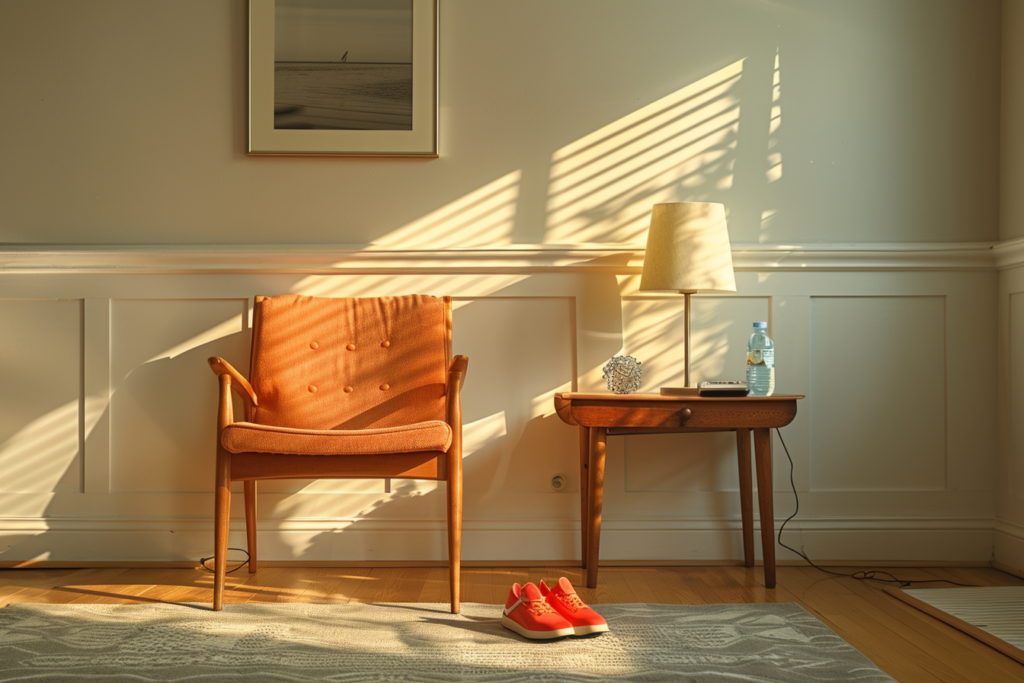
Set up your space 2 minutes
- Put a sturdy chair against a wall so it will not slide.
- Clear the floor. Move rugs, cords, and clutter out of your path.
- Wear stable shoes with a non slip sole. Avoid socks on slick floors.
- Turn on bright lights, especially in hallways and near stairs.
- Keep water nearby. Keep your phone within reach in case you need help.
- Stand near a counter or wall so you can use light support during balance exercises for seniors.
Who should talk to a doctor or physical therapist before starting
Talk to a clinician first if you have any of these:
- Recent falls, or a new fear of falling that stops you from walking normally
- New dizziness, faint feelings, or big blood pressure drops when you stand
- New or changed medicines that affect alertness or balance
- Severe joint pain, new weakness, numb feet, or recent surgery
Safety rules during exercises
- Two finger support is okay. Safety beats pride during balance exercises for seniors.
- Move slowly and breathe. Do not hold your breath.
- Stop if you feel chest pressure, faintness, strong shortness of breath, or sharp pain.
- If something feels unsafe, switch to a chair supported version of balance exercises for seniors and shorten the set.
For more ways to build strength, stability, and confidence at home, see Chair Exercises for Seniors: 25 Safe Moves + 4-Week Plan (Beginner-Friendly, At-Home), Chair Yoga for Seniors: 15 Safe Poses + 4-Week Plan (Beginner-Friendly), and Senior Fitness Classes: Complete Guide to Safe, Affordable & Effective Programs.
Baseline Balance Tests Do These on Day 1 and Day 28
Baseline checks help you pick the right level and track real progress. Do these tests before you start balance exercises for seniors, then repeat them on Day 28. Use a sturdy chair against a wall. Keep a counter nearby. Safety comes first during balance exercises for seniors.
30 second sit to stand tracking
What it checks: leg strength and control for standing up, which supports steadiness.
Setup
- Use a standard chair on a non slip surface.
- Place the chair against a wall.
- Cross your arms over your chest if safe. If not, place hands on the chair.
Steps
- Sit tall with feet flat and hip width apart.
- Stand up fully, then sit down with control.
- Count how many full stands you complete in 30 seconds.
How to record
- Write the number of stands.
- Note if you used hands or needed a pause.
This test pairs well with balance exercises for seniors because it reflects daily life.
Single leg stand with support option
What it checks: ankle, hip, and core control.
Setup
- Stand next to a counter with light fingertip support.
Steps
- Shift weight onto one foot.
- Lift the other foot slightly, even one inch is fine.
- Hold up to 10 seconds, then switch sides.
- Do two tries per side and record your best time.
Safety note
If you wobble hard, keep two fingers on the counter. That still counts for balance exercises for seniors testing.
Tandem stance heel to toe hold
What it checks: control with a narrow base, which relates to walking balance.
Setup
- Stand near a counter. Place one foot directly in front of the other.
Steps
- Start with a small gap between feet if needed.
- Work toward heel touching toe.
- Hold up to 30 seconds.
- Switch which foot is in front and repeat.
Easiest to hardest
- Feet slightly apart
- Heel near toe
- Heel touching toe
This helps you choose the right track for balance exercises for seniors.
How to use your results
Use this simple guide to pick your starting level for balance exercises for seniors.
- Beginner track: you need hands for sit to stand, or you cannot hold single leg for 5 seconds even with light support.
- Intermediate track: you can do controlled sit to stand, and you can hold single leg 5 to 10 seconds with fingertip support.
- Advanced track: you can hold tandem stance close to 30 seconds on both sides and single leg 10 seconds with little or no support.
Write your scores in a note on your phone. When you repeat these tests after four weeks of balance exercises for seniors, you will see progress you can measure.
How Often Should Seniors Do Balance Exercises?
Most people get better results when they practice balance exercises for seniors often, but in short sessions. Consistency matters more than doing a long workout once in a while.
Best weekly schedule simple
- Balance work: 3 to 5 days per week
- Strength work: 2 days per week to support legs, hips, and core
- Rest: at least 1 day per week, or take an easy day when you feel sore or tired
A good start is 10 to 15 minutes per session. You can split the work into two short rounds if that feels safer. If you use support, keep using it. The goal of balance exercises for seniors is steady control, not pushing through wobbles.
Daily micro dose option 5 to 10 minutes
If longer sessions feel hard, do a small routine every day. Pick 2 to 4 easy drills and repeat them. This daily habit keeps your balance system active and builds confidence with balance exercises for seniors.
When you will notice improvement
Many people notice small changes in 2 to 4 weeks, like steadier turns and smoother sit to stand moves. Progress usually comes from repeat practice, good sleep, and safe step by step effort.
The Best Balance Exercises for Seniors Beginner to Advanced Library
Use this exercise library to build steady control step by step. Do balance exercises for seniors near a counter or sturdy chair. Move slow. Use light support when you need it. Quality matters more than speed with balance exercises for seniors.
Beginner Chair or Counter Supported
Weight shifts
What it helps: ankle control and safe weight transfer
Setup: stand tall with hands on a counter
Steps
- Shift weight to the right foot.
- Hold 2 seconds.
- Shift to the left foot.
- Repeat 10 times. Then shift front to back 10 times.
Make it easier: keep both hands on the counter
Make it harder: use two finger support only
Common mistakes: rushing or leaning the shoulders
Heel raises and toe raises
What it helps: calf and shin strength for steadier walking
Setup: hold a counter, feet hip width
Steps
- Rise onto your toes. Hold 1 second.
- Lower with control. Do 8 to 12 reps.
- Lift toes up while heels stay down. Do 8 to 12 reps.
Make it easier: smaller range
Make it harder: pause 2 seconds at the top
Common mistakes: rocking fast
Marching in place
What it helps: single leg control in a safe way
Setup: stand next to a counter
Steps
- Lift one knee to a comfortable height.
- Lower slowly.
- Switch sides. Do 20 total marches.
Make it easier: keep both hands on the counter
Make it harder: slow the lowering phase
Common mistakes: leaning back
Side steps along a counter
What it helps: hip strength and side to side control
Setup: face forward, one hand on the counter
Steps
- Step to the side with the right foot.
- Bring the left foot in.
- Take 8 steps each way.
Make it easier: take smaller steps
Make it harder: pause on one leg for 1 second
Common mistakes: dragging the feet
Heel to toe walk with support
What it helps: walking control with a narrow base
Setup: walk next to a wall or rail
Steps
- Place the heel of one foot in front of the toes of the other.
- Take 6 to 10 slow steps.
- Turn safely and repeat.
Make it easier: leave a small gap between feet
Make it harder: use fingertip support only
Common mistakes: looking down the whole time
Sit to stand
What it helps: leg strength and safe rising control
Setup: chair against wall
Steps
- Lean forward slightly from the hips.
- Stand up fully.
- Sit down slow. Do 6 to 10 reps.
Make it easier: use hands on the chair
Make it harder: pause 2 seconds standing
Common mistakes: dropping into the chair
These beginner drills form a safe base for balance exercises for seniors. Practice them until you feel steadier.
Intermediate Less Support and Narrower Base
Tandem stance heel to toe hold
What it helps: control in a narrow stance
Setup: stand near a counter
Steps
- Put one foot in front of the other.
- Hold 10 to 30 seconds.
- Switch sides. Do 2 rounds.
Make it easier: widen the stance slightly
Make it harder: reduce hand support
Common mistakes: locking the knees
Single leg stand two fingers to no hands
What it helps: hip and ankle stability
Setup: near a counter
Steps
- Lift one foot slightly.
- Hold 5 to 15 seconds.
- Switch sides. Do 2 rounds.
Make it easier: keep toes of the lifted foot touching lightly
Make it harder: hover the foot higher
Common mistakes: holding breath
Step ups low step
What it helps: stair confidence and control
Setup: use a low step and a rail or counter
Steps
- Step up with the right foot.
- Bring the left foot up.
- Step down with control. Do 6 reps each lead leg.
Make it easier: lower step height
Make it harder: slow down the step down
Common mistakes: pushing off the back foot too hard
Head turns while standing or marching
What it helps: steadiness when you look around
Setup: near support
Steps
- Stand tall. Turn head left then center.
- Turn head right then center. Do 10 turns.
- If safe, repeat while marching slow for 20 steps.
Make it easier: smaller head turns
Make it harder: reduce hand support
Common mistakes: moving too fast
Intermediate balance exercises for seniors should still feel safe. Use support whenever you need it.
Advanced Dynamic Balance and Dual Task
Tandem walk forward and back
What it helps: walking control in tight spaces
Setup: near a wall or counter
Steps
- Walk heel to toe for 8 steps.
- Walk backward heel to toe for 6 steps if safe.
- Repeat 2 rounds.
Make it easier: leave a small gap between feet
Make it harder: use fingertip support only
Common mistakes: rushing the backward steps
Figure 8 walking
What it helps: turning control and direction changes
Setup: place two objects a few feet apart
Steps
- Walk around them in a figure 8 path.
- Keep posture tall.
- Do 4 loops. Rest. Repeat once.
Make it easier: wider turns
Make it harder: add a short pause at each turn
Common mistakes: leaning into the turn
Reach and rotate controlled
What it helps: balance during reaching tasks
Setup: stand near a counter with a light object
Steps
- Reach forward with the right hand. Return.
- Reach to the right side. Return.
- Repeat on the left side. Do 5 each direction.
Make it easier: keep one hand on the counter
Make it harder: reach a little farther, not faster
Common mistakes: twisting from the low back
Carry and walk light object
What it helps: posture and steady steps with a task
Setup: hold a light object close to your body
Steps
- Walk 10 to 20 steps forward.
- Turn slowly. Walk back.
- Repeat 2 rounds.
Make it easier: walk next to a counter
Make it harder: add a gentle head turn every few steps
Common mistakes: holding the object far from the body
Advanced work is still about control. If you feel unsafe, drop back a level. Balance exercises for seniors should build confidence, not fear. Keep your space clear, keep support close, and practice balance exercises for seniors with steady breathing and calm focus.
4 Week Balance Plan Done for You
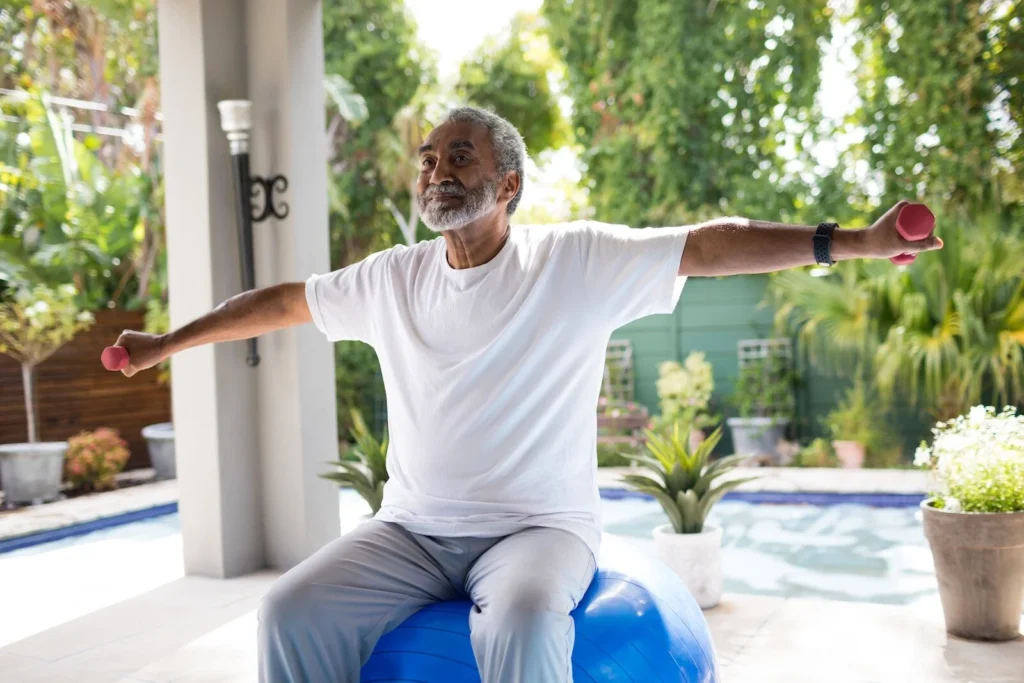
This plan turns the exercise library into a simple routine you can follow. It works well for most people who want steady progress with balance exercises for seniors at home. Use a chair or counter for support. Keep sessions short and calm. Safety stays first with balance exercises for seniors.
How the plan works
- Time: 10 to 15 minutes per session
- Frequency: 4 sessions per week
- Levels: Beginner, Intermediate, Advanced
- Progress rule: add time, then reduce support, then narrow stance, then add movement, then add a simple second task
Pick your level using the Day 1 tests. If you feel unsure, start one level easier. You can still improve with balance exercises for seniors even when you use support.
Week 1 Foundation and confidence
Goal: build control with support allowed.
Do 4 sessions. Choose 4 to 6 drills from the Beginner list.
- Weight shifts
- Heel raises and toe raises
- Marching in place
- Side steps
- Heel to toe walk with support
- Sit to stand
Keep most drills at 1 set. Use 20 to 30 seconds per drill or 8 to 10 reps. This week should feel safe and repeatable. You are building your base with balance exercises for seniors.
Week 2 Less support and longer holds
Goal: keep form steady while you add a small challenge.
In 4 sessions, do the same drills, then add one Intermediate drill if ready.
- Add 10 to 20 percent time to holds, or add 1 to 2 reps
- Shift from full hand support to two finger support when safe
- Add tandem stance practice if it feels stable
Week 2 is where many people feel more confident while doing balance exercises for seniors.
Week 3 Dynamic movement
Goal: add real life movement patterns.
In 4 sessions, keep 3 to 4 favorite drills from Weeks 1 and 2, then add 1 to 2 movement drills.
- Step ups on a low step
- Turns plus pause
- Figure 8 walking at your level
- Head turns while standing, only if you do not get dizzy
Keep the pace slow. You want control, not speed. This is the safest way to progress balance exercises for seniors.
Week 4 Real life stability and re test
Goal: practice direction changes and simple dual tasks.
In 4 sessions, keep your best drills and add one small extra challenge.
- Carry and walk with a light object close to your body
- Quick steps in place, slow first, then a little faster
- Side steps with a one second pause
On Day 28, repeat your baseline tests. Compare scores to Day 1. This closes the loop and shows how balance exercises for seniors are working for you.
Simple weekly table you can follow
Use this table for any level. Swap drills based on your list.
| Day | Exercises | Sets reps time | Notes |
|---|---|---|---|
| Session 1 | 4 to 6 balance drills | 1 set each | Use chair support |
| Session 2 | 4 to 6 balance drills | 1 set each | Add time or reps |
| Session 3 | 4 to 6 balance drills | 1 set each | Add one new drill |
| Session 4 | 4 to 6 balance drills | 1 set each | Keep best form |
If you ever feel unsafe, go back one step. Support is still training. Done consistently, balance exercises for seniors can build steadier walking, safer turns, and more confidence at home.
Modifications Cover What Competitors Miss
You can still make progress with balance exercises for seniors even if you feel unsteady, use a walking aid, or deal with pain. Use these safe options to match your needs.
If you are afraid of falling
- Start with a chair against a wall and a counter within reach.
- Use two finger support and keep your steps small.
- Choose calm drills like weight shifts, marching in place, and sit to stand.
- Repeat the same 3 to 4 drills for a week so your body learns the pattern with balance exercises for seniors.
If you use a cane or walker
- Do drills next to a counter, not while holding the cane or walker.
- Focus on supported marching, side steps, heel raises, and sit to stand.
- Skip fast turns and backward walking until a clinician says it is safe.
If you have knee pain or arthritis
- Use a higher chair for sit to stand.
- Keep a smaller bend in the knee and use a low step for step ups.
- Stop before sharp pain. Aim for smooth control in balance exercises for seniors.
If you have neuropathy or foot numbness
- Wear stable shoes and avoid soft surfaces.
- Use bright lighting and pause before each step.
- Keep a counter close for steady support.
Strength Moves That Improve Balance Faster 2 Days Per Week
Strength training makes your legs and hips steadier, which makes balance exercises for seniors feel easier over time. Do this strength work 2 days per week, with at least one rest day between sessions. Keep a chair or counter nearby, and move with control.
Best 5 strength moves for balance
- Sit to stand
Trains thighs and hips for safer standing and sitting. - Calf raises
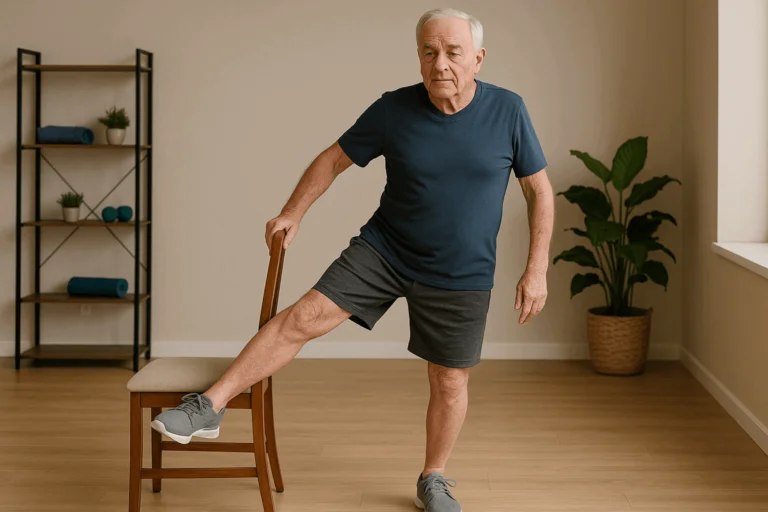
Builds ankle strength for steadier steps and better recovery from small wobbles. - Hip abduction standing
Strengthens side hips that help you stay upright when you shift weight. - Step ups low step
Builds stair strength and control for real life movement. - Glute bridge optional
If getting to the floor is safe for you, this builds hips and supports posture for balance exercises for seniors.
Simple 15 minute strength routine
- Warm up 2 minutes: easy marching in place while holding a counter
- Sit to stand: 2 sets of 6 to 10 reps
- Calf raises: 2 sets of 8 to 12 reps
- Hip abduction: 2 sets of 8 reps each side
- Step ups: 2 sets of 6 reps each lead leg
- Cool down 1 minute: slow breathing, tall posture
If you feel sore, reduce reps and keep form smooth. When strength improves, you will often feel more stable during balance exercises for seniors. Combine these two strength days with your balance days for the best results from balance exercises for seniors.
Common Mistakes That Slow Progress
Many people start strong, then stall because of a few fixable habits. Avoid these mistakes to get better results from balance exercises for seniors and to stay safe at home.
Skipping the safety setup
A chair against a wall and a clear floor are not optional. If the space is not ready, you will tense up and your form will suffer during balance exercises for seniors.
Doing too much too soon
More challenge is not always better. If you jump to no hands, fast turns, or long sessions too early, you may feel shaky and lose confidence. Progress in small steps with balance exercises for seniors.
Holding your breath
Breath holding makes you stiff and can raise pressure. Exhale as you stand, step, or shift weight. Calm breathing helps control.
Looking down the whole time
It is fine to glance down for safety, but staring at your feet can hurt posture and make walking drills harder. Keep your gaze forward most of the time.
Wearing unstable shoes or training on soft surfaces
Slippery socks, thick cushioned slippers, and uneven rugs can make you wobble. Choose stable shoes and a firm surface so balance exercises for seniors feel steady and repeatable.
When to See a Physical Therapist
A physical therapist can help when balance changes feel sudden, scary, or hard to explain. You can still do balance exercises for seniors at home, but get expert help if any red flags show up.

See a physical therapist if you have:
- Two or more falls in the past year, or any fall with injury
- A sudden change in walking, new weakness, or new numbness
- Strong dizziness, spinning feelings, or frequent near falls
- Balance problems after an illness, surgery, or a new medicine change
- Trouble turning, stepping over objects, or getting up from a chair safely
A physical therapist can check your fall risk, gait, strength, and vision and ear balance factors. They can also adjust balance exercises for seniors to fit your goals, home setup, and health needs. If you use a cane or walker, they can confirm safe drills and safe progress while you keep doing balance exercises for seniors.
More support for balance, mobility, and safer daily movement can also come from Strength Training for Seniors: The Complete Safe Beginner Plan (With 8-Week Program + Modifications), Senior Strength Workout: The Complete Full-Body Routine + 4-Week Plan (Beginner-Friendly), and Staying Active After Retirement: Brilliant Ways to Stay Happy and Strong.
FAQ Aim for Featured Snippets
These quick answers cover the most common questions about balance exercises for seniors and how to practice safely at home.
What are the best balance exercises for seniors?
The best options are simple drills you can repeat safely. Start with weight shifts, marching in place, side steps, heel raises, heel to toe walking with support, and sit to stand. These balance exercises for seniors train steady stepping and safe transitions that match daily life.
How often should I do balance training?
Most people do well with balance exercises for seniors 3 to 5 days per week for 10 to 15 minutes. If that feels like too much, do a 5 to 10 minute routine each day with just a few drills. Consistency matters more than long sessions.
Can balance exercises prevent falls?
They can lower fall risk by improving control, leg strength, and reaction time. Results are best when you combine balance exercises for seniors with strength work two days per week and a safe home setup. Remove trip hazards, use good lighting, and wear stable shoes.
What if I cannot stand on one leg?
That is common. Start with fingertip support and lift the foot only slightly. You can also keep the toes of the lifted foot touching the floor lightly. Over time, these balance exercises for seniors can build steadier hips and ankles, even if you need support at first.
Are balance boards safe for seniors?
For many people, a balance board adds risk without clear benefit early on. Start on a firm floor near a counter. If you want to try unstable tools later, do it only after you feel steady with basic balance exercises for seniors, and consider guidance from a clinician.
How long does it take to improve balance?
Many people notice small changes in 2 to 4 weeks, like smoother turns and steadier standing. Bigger changes often take longer. The fastest path is steady practice, small progress steps, and repeating the same balance exercises for seniors until they feel easy and controlled.
What is the safest at home setup?
Use a sturdy chair against a wall, clear the floor, and stand near a counter. Keep your phone close, turn on bright lights, and wear stable shoes. This setup makes balance exercises for seniors safer, calmer, and easier to repeat.
Summary and Next Steps
Start with the Quick Start Safety Checklist and set up your space before each session. Do the Day 1 baseline tests, then pick the level that feels safe and steady. Begin Week 1 today with chair supported options, and keep your practice short and repeatable. Follow the 4 week plan and progress in small steps by adding time, then using less support only when you feel stable. Re test your baseline checks on Day 28 to see what changed. Keep going with balance exercises for seniors to protect confidence and daily independence. Stay consistent with balance exercises for seniors and you will build steadier control over time.
For broader support with fall prevention, safer mobility, and staying independent, you can also include Single-Point vs Quad Cane for Seniors: Which Offers Better Support?, Best Mobility Scooter for Seniors: 4 Top Picks for Comfort, Stability, and Travel, Best Fall Detection Devices for Seniors Living Alone, Best Bed Rail for Seniors: 6 Safe Options for Easier Bed Transfers, and Medical Alert System for Seniors: 4 Home Alert Options Compared.