Senior Fitness Classes: Complete Guide to Safe, Affordable & Effective Programs


Staying active and independent becomes more important with age. Many adults search for senior fitness classes because they want safe workouts, better balance, and stronger muscles. Others want to know if these programs are safe or how to find senior fitness classes near them. If you are asking the same questions, you are not alone.
According to the Centers for Disease Control and Prevention, adults aged 65 and older should get at least 150 minutes of moderate physical activity each week. Yet many older adults do not meet this goal. Regular movement lowers the risk of falls, heart disease, and loss of independence. Structured senior fitness classes help close this gap by offering guided, age-appropriate exercise in a supportive setting.
I have worked with older adults who felt unsure about joining a gym. Most feared injury. After attending well-designed senior fitness classes, they gained confidence, improved balance, and reported fewer aches. The right program can help maintain strength, protect bone density, and support long term mobility.
In this complete guide, you will learn what senior fitness classes include, how safe they are, and how to find the best option near you. You will also see a detailed comparison table of class types and get a practical 4 week beginner plan to help you start with confidence.

Table of Contents
What Are Senior Fitness Classes?
Senior fitness classes are structured exercise sessions designed for adults aged 50 and older. These classes focus on strength, balance, flexibility, and heart health using movements that match age-related needs. Unlike general gym sessions, senior fitness classes adjust pace, intensity, and support to lower injury risk and build confidence.
Most programs welcome adults 60 and older, and many define senior status at age 65. Some community centers open senior fitness classes to anyone over 50 who prefers a lower impact setting. The goal is safe, guided movement that supports long term health.
This section can link naturally to Chair Exercises for Seniors, Chair Yoga for Seniors, and Balance Exercises for Seniors because they expand on low-impact routines, beginner-friendly movement, and the kind of safe, practical exercise options that fit well with senior fitness classes.
Formats Available
Senior fitness classes come in different formats:
- Group classes held at gyms, community centers, or local studios
- Personal training sessions with one on one instruction
- Online senior fitness classes streamed live or recorded for home use
Group based senior fitness classes are the most common. They provide social interaction, which supports mental health and accountability. Personal sessions cost more but allow closer supervision. Online senior fitness classes offer flexibility and convenience for those who prefer to exercise at home.
How They Differ From Regular Gym Classes
Traditional gym classes often move at a faster pace. They may include high impact movements, heavy weights, or complex choreography. Senior fitness classes focus on controlled movements, proper posture, and gradual progress. Instructors often hold certifications in older adult training and understand conditions such as arthritis or osteoporosis.
Another key difference is exercise selection. Senior fitness classes often include chair exercises, resistance band training, light strength work, and balance drills. These movements support fall prevention and help maintain independence.
Common Names You May See
You might find senior fitness classes listed under different names, such as:
- Exercise classes for seniors
- Fitness programs for older adults
- Senior workout classes
- Active aging programs
- Low impact exercise classes
All of these terms describe programs built around safety, joint protection, and steady improvement.
Science Backed Benefits of Senior Fitness Classes
Well designed senior fitness classes do more than help you stay active. Research from leading health organizations shows that structured exercise improves balance, muscle strength, heart health, and mental clarity. When senior fitness classes follow age specific guidelines, they lower risk while increasing long term results.
The Centers for Disease Control and Prevention recommends at least 150 minutes of moderate aerobic activity each week for adults aged 65 and older, along with muscle strengthening activities on two or more days per week. The National Institute on Aging also supports strength, balance, and flexibility training as key parts of healthy aging. Senior fitness classes combine all of these elements in one structured plan.
Improve Balance and Prevent Falls
Falls remain one of the leading causes of injury in adults over 65. The CDC reports that one in four older adults falls each year. Many of these incidents result from poor balance and weak lower body muscles.
Senior fitness classes often include balance drills such as heel to toe walking, single leg stands, and controlled step patterns. These movements train stability and body awareness. Over time, regular attendance in senior fitness classes can reduce fall risk and build confidence in daily tasks such as climbing stairs or carrying groceries.
Maintain Muscle Mass and Fight Sarcopenia
Muscle mass naturally declines with age. This condition, known as sarcopenia, can begin as early as age 40 and speeds up after 60. Loss of muscle reduces strength, slows movement, and increases fall risk.
Senior fitness classes that include resistance training help slow this process. Light dumbbells, resistance bands, and body weight exercises stimulate muscle growth. Studies show that adults in their 60s, 70s, and even 80s can build strength with consistent training. Senior fitness classes provide guided strength sessions that protect joints while improving power and mobility.
Strengthen Heart and Bone Health
Heart disease remains a major concern for older adults. Regular aerobic exercise lowers blood pressure, improves circulation, and supports healthy cholesterol levels. Senior fitness classes often include low impact cardio such as brisk walking, cycling, or water based movement to support heart health.
Bone density also declines with age, especially in women after menopause. Weight bearing activities in senior fitness classes, such as standing strength work and light impact steps, help stimulate bone tissue. This supports stronger bones and lowers fracture risk.
The American Heart Association supports regular physical activity as a key factor in heart disease prevention. Structured senior fitness classes make it easier to follow these guidelines safely.
Boost Mental Health and Cognitive Function
Exercise does not only change the body. It also improves mood and mental sharpness. Physical activity increases blood flow to the brain and supports memory and focus. Group based senior fitness classes also reduce isolation, which is common in later life.
Research shows that active older adults have lower rates of depression and anxiety. Social interaction during senior fitness classes adds emotional support and motivation. This combination of movement and connection supports overall well being.
Increase Independence and Longevity
Daily tasks such as getting out of a chair, lifting objects, or walking long distances require strength and coordination. Senior fitness classes train functional movements that mirror real life activities. As strength and balance improve, daily tasks feel easier.
Long term studies show that regular physical activity lowers the risk of chronic disease and supports longer life expectancy. When older adults commit to consistent senior fitness classes, they often report better energy, improved posture, and greater independence.
The science is clear. Senior fitness classes combine strength, balance, cardio, and flexibility in one safe structure. This balanced approach supports both physical and mental health while helping older adults stay active for years to come.
12 Types of Senior Fitness Classes With Comparison Table
Choosing the right senior fitness classes starts with understanding your options. Different programs focus on strength, balance, flexibility, or heart health. The best senior fitness classes match your goals, fitness level, and medical needs. Below are the most common types offered in community centers, gyms, and online platforms.
1. Chair Exercise Classes
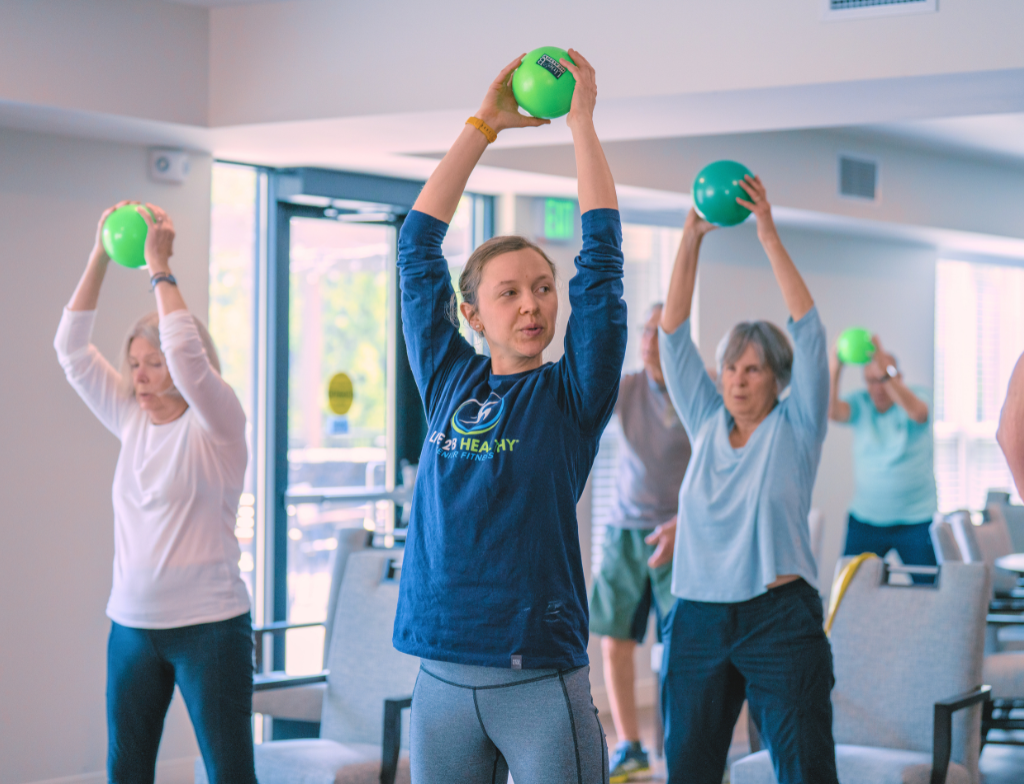
Chair based senior fitness classes use seated or supported movements. These sessions work well for beginners or adults with limited mobility. They focus on light strength work, joint movement, and circulation.
2. Strength Training for Seniors
These senior fitness classes use light dumbbells, resistance bands, or machines. The goal is to build muscle, protect bone density, and support daily movement.
3. Water Aerobics
Water based senior fitness classes reduce joint stress. The water supports body weight, which makes movement easier for people with arthritis or joint pain.
4. Yoga for Seniors
Yoga focused senior fitness classes improve flexibility, posture, and breathing. Instructors adjust poses to reduce strain and improve balance.
5. Tai Chi
Tai Chi senior fitness classes use slow, flowing movements. These sessions improve coordination and reduce fall risk.
6. Low Impact Cardio
These senior fitness classes include walking circuits, light cycling, or step patterns. They raise heart rate without high stress on knees or hips.
7. Balance Training Classes
Balance focused senior fitness classes train stability and coordination. They often include single leg work and posture drills.
8. Functional Fitness
Functional senior fitness classes train real life movements such as squatting, lifting, and reaching. These exercises improve independence.
9. Dance Based Classes
Dance inspired senior fitness classes combine music and movement. They improve coordination and heart health while adding social fun.
10. Pilates for Seniors
Pilates style senior fitness classes focus on core strength and posture. Movements are slow and controlled.
11. Outdoor Walking Groups
Walking based senior fitness classes meet in parks or tracks. They improve endurance and offer social support.
12. Virtual Senior Fitness Classes
Online senior fitness classes allow adults to train at home. These programs range from live sessions to recorded workouts.
Comparison Table of Senior Fitness Classes
| Class Type | Best For | Difficulty | Equipment | Avg Cost | Good for Arthritis? |
|---|---|---|---|---|---|
| Chair Exercise | Limited mobility | Low | Chair, light weights | $5 to $15 | Yes |
| Strength Training | Muscle building | Moderate | Dumbbells, bands | $30 to $80 per month | Yes with guidance |
| Water Aerobics | Joint pain | Low to Moderate | Pool access | $10 to $20 | Excellent |
| Yoga | Flexibility | Low to Moderate | Mat, blocks | $10 to $25 | Yes |
| Tai Chi | Balance | Low | None | $5 to $20 | Yes |
| Low Impact Cardio | Heart health | Moderate | Minimal | $30 to $80 per month | Usually |
| Balance Training | Fall prevention | Low | None or light props | $10 to $20 | Yes |
| Functional Fitness | Daily strength | Moderate | Light weights | $30 to $80 per month | Yes with modification |
| Dance Based | Cardio and fun | Moderate | None | $10 to $25 | Depends on pace |
| Pilates | Core strength | Moderate | Mat | $15 to $30 | Yes with support |
| Walking Groups | Endurance | Low | Comfortable shoes | Free to $5 | Yes |
| Virtual Classes | Home workouts | Varies | Internet device | Free to $40 per month | Depends on program |
How to Choose the Right Senior Fitness Classes
Not all senior fitness classes are the same. The right choice depends on your fitness level, health history, budget, and location. When you compare senior fitness classes carefully, you reduce injury risk and improve results.
Use the guide below to narrow your options with confidence.
Based on Fitness Level
Your current ability should guide your decision. Senior fitness classes are often labeled as beginner, intermediate, or advanced.
Beginner
- Best for adults new to exercise
- Focus on balance, light strength, and basic mobility
- Slower pace and more instruction
- Often chair based or low impact
Intermediate
- Suitable for adults with regular activity habits
- Includes resistance training and moderate cardio
- Slightly faster pace
Advanced
- For experienced participants
- Higher endurance work and heavier resistance
- More complex movement patterns
If you feel unsure, start with beginner senior fitness classes. You can always progress later.
Based on Health Conditions
Health status plays a major role when selecting senior fitness classes.
Arthritis
- Look for water aerobics or chair based formats
- Avoid high impact jumping
- Ask about joint friendly modifications
Osteoporosis
- Choose weight bearing strength sessions
- Avoid deep twisting or forward bending
- Confirm the instructor understands bone safety
Heart Disease
- Select low impact cardio with heart rate guidance
- Ask if blood pressure monitoring is allowed
- Get medical approval before starting senior fitness classes
Diabetes
- Choose consistent, moderate intensity programs
- Keep snacks and water nearby
- Monitor blood sugar as advised by your doctor
Many quality senior fitness classes ask about medical history before enrollment. That is a positive sign.
Based on Budget
Cost varies widely among senior fitness classes. Consider what fits your income.
- Community centers often charge low per class fees
- Gyms offer monthly memberships
- Online senior fitness classes may cost less
- Some insurance plans include fitness benefits
If budget is tight, search for local senior fitness classes through community programs or health plans.
Based on Location and Accessibility
When searching for senior fitness classes near you, consider travel time and access.
- Is parking easy and safe?
- Is the building accessible with ramps or elevators?
- Are restrooms close to the exercise area?
- Does the schedule match your routine?
If transportation is a challenge, online senior fitness classes can remove travel barriers.
Instructor and Program Checklist
Before enrolling in senior fitness classes, review this quick checklist:
- Is the instructor certified in older adult training?
- Are class sizes small enough for supervision?
- Is medical clearance required if needed?
- Is there a clear emergency plan?
- Are warm up and cool down periods included?
High quality senior fitness classes answer yes to most of these questions.
How Much Do Senior Fitness Classes Cost ?
The cost of senior fitness classes varies based on location, format, and facility type. Some senior fitness classes are budget friendly and community based. Others offer premium services with higher monthly fees. Knowing the price range helps you choose wisely.
Below is a realistic cost breakdown .
Community Centers
Many local centers and recreation programs offer affordable senior fitness classes.
- Average cost: $5 to $15 per class
- Monthly packages: $25 to $50
- Often includes chair exercise, balance training, and light strength sessions
These senior fitness classes are often the most affordable option.
Traditional Gyms
Large gyms provide structured senior fitness classes within a membership plan.
- Monthly membership: $30 to $80
- Unlimited access to group classes
- Access to equipment and trainers
Some gyms include senior fitness classes at no extra charge once you join.
Boutique Studios
Specialty studios may focus only on small group senior fitness classes.
- $15 to $25 per class
- Smaller groups
- More individual attention
These programs cost more but offer closer supervision.
Online Platforms
Online senior fitness classes continue to grow in popularity.
- Free video platforms available
- Paid subscriptions: $10 to $40 per month
- Live and recorded options
Virtual senior fitness classes reduce travel costs and allow flexible scheduling.
Cost Comparison Table
| Provider Type | Typical Price | Monthly Option | Best For | Budget Friendly |
|---|---|---|---|---|
| Community Center | $5 to $15 per class | Yes | Beginners | Yes |
| Gym Membership | $30 to $80 per month | Yes | Variety seekers | Moderate |
| Boutique Studio | $15 to $25 per class | Sometimes | Small groups | No |
| Online Programs | Free to $40 per month | Yes | Home workouts | Yes |
SilverSneakers and Insurance Coverage
Many adults reduce the cost of senior fitness classes through insurance programs. The SilverSneakers partners with gyms and community centers across the country. If your plan qualifies, you may access senior fitness classes at little or no cost.
Some Medicare Advantage plans include fitness benefits. Original Medicare usually does not cover gym memberships, but Medicare Advantage often includes wellness extras.
How to Check Coverage
To verify if senior fitness classes are covered:
- Review your insurance benefits summary
- Call your provider directly
- Ask local gyms if they accept your plan
- Search your insurer website for participating locations
Always confirm details before enrolling in senior fitness classes.
Senior Fitness Classes Covered by Medicare and Insurance
Many adults ask if senior fitness classes are covered by Medicare or private insurance. The answer depends on the type of plan you have. Some plans include fitness benefits, while others do not. Understanding how coverage works can lower the cost of senior fitness classes and make them more accessible.
Does Original Medicare Cover Senior Fitness Classes?
Original Medicare Part A and Part B typically do not pay for gym memberships or standard senior fitness classes. These parts focus on hospital care and medical services, not preventive gym programs.
However, Medicare does cover physical therapy when prescribed by a doctor. That is different from general senior fitness classes offered in community settings.
Medicare Advantage and Fitness Benefits
Many Medicare Advantage plans include extra wellness benefits. These plans are offered by private insurers approved by Medicare. Some of them provide access to senior fitness classes at participating gyms and community centers.
One of the most recognized programs is SilverSneakers. This program partners with thousands of fitness locations. If your plan includes SilverSneakers, you may attend approved senior fitness classes at little or no cost.
Other plans may offer similar programs under different names. Always review your plan details carefully.
What May Be Included
If your Medicare Advantage plan covers senior fitness classes, it may include:
- Access to local gyms
- Group exercise classes for seniors
- Online senior fitness classes
- Home workout video libraries
- Health and wellness workshops
Coverage varies by state and provider. Some plans limit the number of participating facilities.
How to Verify Eligibility
Before enrolling in senior fitness classes, confirm your coverage using these steps:
- Check your annual benefits summary
- Call the customer service number on your insurance card
- Ask if your plan includes fitness or wellness benefits
- Confirm which local facilities accept your plan
When contacting a gym, ask if their senior fitness classes are included under your insurance benefit.
Questions to Ask Your Provider
To avoid surprises, ask:
- Are there enrollment fees?
- Is there a monthly limit?
- Are online senior fitness classes included?
- Do I need a referral from my doctor?
Clear answers help you compare senior fitness classes without unexpected costs.
Online vs In Person Senior Fitness Classes
Choosing between online and in person senior fitness classes depends on your lifestyle, comfort level, and health needs. Both formats offer benefits. The best option is the one you can attend consistently. Senior fitness classes work only when participation becomes routine.
Online senior fitness classes have grown rapidly in recent years. At the same time, traditional in person senior fitness classes remain popular for their structure and social support. Let us compare them side by side.

Cost Comparison
Online senior fitness classes are often more affordable.
- Free video platforms available
- Paid subscriptions range from $10 to $40 per month
- No travel expenses
In person senior fitness classes may cost more.
- Community centers charge per class
- Gyms require monthly memberships
- Boutique studios charge higher per session rates
If budget is a concern, online senior fitness classes may offer better value.
Social Interaction
In person senior fitness classes provide face to face connection. Many older adults value conversation and group support. Social contact reduces isolation and improves mental well being.
Online senior fitness classes offer limited interaction unless they are live sessions. Recorded programs lack direct engagement. If social connection motivates you, in person senior fitness classes may be better.
Safety and Supervision
In person senior fitness classes allow instructors to correct posture and monitor form. This reduces injury risk. Immediate feedback helps beginners feel secure.
Online senior fitness classes require more self awareness. Without supervision, incorrect form may go unnoticed. Beginners with medical conditions may benefit more from in person senior fitness classes.
Equipment and Space
Online senior fitness classes often use minimal equipment such as resistance bands or light weights. You also need enough space at home to move safely.
In person senior fitness classes provide equipment on site. This removes the need to purchase items for home use.
Accessibility and Convenience
Online senior fitness classes remove travel barriers. This format suits individuals who live far from gyms or have limited transportation.
In person senior fitness classes require commuting. Weather and traffic may affect attendance.
Pros and Cons Table
| Factor | Online Senior Fitness Classes | In Person Senior Fitness Classes |
|---|---|---|
| Cost | Lower overall | Moderate to higher |
| Social Interaction | Limited | Strong |
| Supervision | Minimal | Direct guidance |
| Equipment Access | Personal purchase | Provided on site |
| Convenience | High | Depends on location |
| Accountability | Self motivated | Group driven |
Which Option Is Better?
There is no single best answer. Some adults combine both formats. For example, they attend in person senior fitness classes once or twice a week and use online sessions at home for extra activity.
If you are new to exercise or managing health concerns, starting with supervised senior fitness classes may provide more confidence. If you value flexibility and lower cost, online senior fitness classes may suit you better.
4 Week Beginner Plan for Senior Fitness Classes
Starting senior fitness classes can feel overwhelming at first. A simple structure makes the process easier and safer. This 4 week plan helps you build strength, balance, and endurance step by step. The goal is consistency, not speed. When senior fitness classes become part of your weekly routine, results follow.
Before beginning any senior fitness classes, speak with your healthcare provider if you have medical conditions or long periods of inactivity.
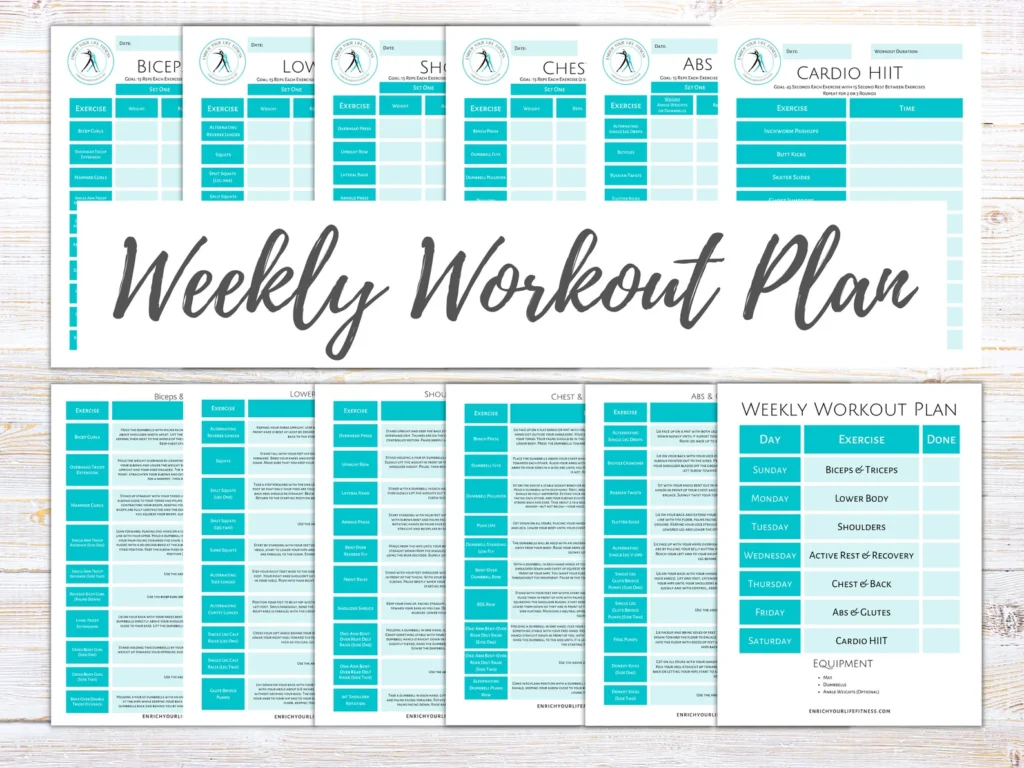
Week 1: Build the Habit
Focus on light movement and balance.
Schedule Example
- Monday: Beginner senior fitness classes session
- Wednesday: 20 minutes balance and mobility work at home
- Friday: Chair based senior fitness classes
- Saturday: Gentle walk for 15 to 20 minutes
Keep intensity low. Pay attention to posture and breathing. Most senior fitness classes during week one should feel manageable. Mild muscle soreness is normal, but sharp pain is not.
Week 2: Add Strength
Increase resistance training gradually.
Schedule Example
- Monday: Strength focused senior fitness classes
- Tuesday: Rest or light stretching
- Thursday: Balance training session
- Saturday: Low impact cardio senior fitness classes
Add light dumbbells or resistance bands if approved. Continue balance drills to reduce fall risk. Senior fitness classes during this stage should challenge you slightly more than week one.
Week 3: Increase Duration
Extend activity time while keeping control.
Schedule Example
- Monday: Cardio based senior fitness classes
- Wednesday: Strength session
- Friday: Yoga or flexibility focused senior fitness classes
- Sunday: Outdoor walk for 25 to 30 minutes
Aim for a total of 120 to 150 minutes of weekly activity. Many senior fitness classes combine cardio and strength, which helps meet this goal efficiently.
Week 4: Build Consistency
Create a steady rhythm you can maintain.
Schedule Example
- Monday: Full body senior fitness classes
- Wednesday: Balance and mobility session
- Friday: Strength training senior fitness classes
- Saturday: Light walk or stretching
By week four, senior fitness classes should feel familiar. Focus on proper form and steady breathing. Track how you feel after each session.
Warm Up and Cool Down Tips
Every session of senior fitness classes should include:
- 5 to 10 minutes of light warm up movements
- Gentle joint mobility drills
- Slow stretching at the end
- Controlled breathing
Skipping warm up increases injury risk. Cooling down supports recovery.
Printable Progress Tracker Idea
Create a simple chart with these columns:
- Date
- Type of senior fitness classes attended
- Duration
- Energy level before and after
- Notes on balance or strength
Tracking helps you see improvement over time. Many participants report better stamina and confidence after four consistent weeks of senior fitness classes.
Safety Checklist Before Starting Senior Fitness Classes
Safety should always come first when joining senior fitness classes. The right precautions lower injury risk and help you feel confident from day one. Well structured senior fitness classes include guidance, warm ups, and supervision, but personal awareness also matters.
Use this checklist before and during senior fitness classes.
Get Medical Clearance if Needed
Speak with your doctor before starting senior fitness classes if you:
- Have heart disease or high blood pressure
- Experience dizziness or chest discomfort
- Manage diabetes with medication
- Have joint or bone conditions
- Have not exercised in several months
Medical approval helps you choose senior fitness classes that match your health status.
Wear Proper Footwear
Supportive shoes reduce fall risk. Choose shoes that:
- Fit well without slipping
- Provide non slip soles
- Support the heel and arch
Avoid worn out shoes during senior fitness classes. Stable footwear protects knees and ankles.
Start Slow and Progress Gradually
Many injuries occur when intensity increases too quickly. Good senior fitness classes follow gradual progress. If an exercise feels too hard:
- Reduce the range of motion
- Use lighter resistance
- Take short rest breaks
Pacing yourself helps senior fitness classes remain safe and effective.
Stay Hydrated
Drink water before, during, and after senior fitness classes. Dehydration can cause fatigue, dizziness, and muscle cramps. Keep a water bottle nearby at every session.
Watch for Warning Signs
Stop exercising and seek medical help if you experience:
- Chest pain
- Severe shortness of breath
- Sudden dizziness
- Sharp joint pain
- Irregular heartbeat
Safe senior fitness classes encourage participants to listen to their bodies.
Know Which Exercises to Avoid
Some movements may not be suitable for certain adults. Ask the instructor about modifications if you have:
- Osteoporosis and need to avoid deep forward bending
- Arthritis that limits joint motion
- Balance issues that require chair support
Quality senior fitness classes provide alternative movements for different needs.
Confirm Emergency Procedures
Before enrolling in senior fitness classes, ask:
- Is the instructor trained in CPR?
- Is first aid equipment available?
- Is there a clear emergency plan?
Prepared facilities increase confidence and safety.
Quick Safety Review Checklist
Before attending senior fitness classes, confirm:
- Medical clearance if needed
- Proper footwear
- Hydration plan
- Instructor certification
- Clear emergency protocol
How to Find Senior Fitness Classes Near You
Many people search online for senior fitness classes near me because they want something local, safe, and affordable. Finding the right senior fitness classes does not have to be complicated. With the right steps, you can compare options quickly and choose with confidence.
Here is a simple method to locate quality senior fitness classes in your area.
Use Smart Google Search Tips
Start with clear search phrases such as:
- senior fitness classes near me
- exercise classes for seniors in your city
- local senior exercise programs
- senior gym classes near me
- group fitness for seniors nearby
Check both the map results and organic listings. Many senior fitness classes appear in Google Maps with reviews and photos.
When reviewing listings, look for:
- High ratings and recent reviews
- Clear class descriptions
- Posted schedules
- Contact information
Quality senior fitness classes often display photos of real participants and certified instructors.
Check Community Centers and Recreation Departments
City recreation centers often provide affordable senior fitness classes. Visit your local government website and search under parks and recreation or active aging programs.
Community based senior fitness classes usually include:
- Chair exercise sessions
- Balance training
- Low impact cardio
- Walking groups
These programs are often budget friendly and easy to access.
Visit Local Gyms and YMCAs
Large gyms frequently offer dedicated senior fitness classes. Ask if they have:
- Age specific group sessions
- Certified senior fitness instructors
- Small class sizes
The YMCA is known for offering senior focused programs in many locations. Call your nearest branch and request a class schedule.
Check Medicare Advantage or Insurance Portals
If you have a Medicare Advantage plan, log into your insurance portal. Some plans provide directories of participating locations that offer senior fitness classes.
Search for wellness benefits or fitness programs. This step may help you access senior fitness classes at little or no cost.
Use SilverSneakers Location Finder
If your plan includes SilverSneakers, use their online location finder. Enter your zip code to see approved gyms and community centers offering senior fitness classes.
This tool helps narrow options quickly.
Questions to Ask Before Joining
Before enrolling in senior fitness classes, ask:
- Is the instructor certified in older adult training?
- What is the average class size?
- Is there a trial class available?
- Are modifications offered for medical conditions?
- What is the cancellation policy?
Clear answers help you compare senior fitness classes without confusion.
Visit in Person If Possible
If transportation allows, visit the facility before signing up. Observe a session of senior fitness classes. Notice:
- Instructor engagement
- Participant comfort
- Cleanliness of the space
- Accessibility features
Trust your impression. The right senior fitness classes should feel welcoming and supportive.
This part also fits well with Strength Training for Seniors, Senior Strength Workout, and the Mobility & Fitness category since fitness classes often work best when paired with structured strength work, better balance, and a consistent long-term movement routine.
Frequently Asked Questions About Senior Fitness Classes
Below are the most common questions people ask before joining senior fitness classes. These answers will help you decide if senior fitness classes are right for you.
Are senior fitness classes safe?
Yes, senior fitness classes are generally safe when led by trained instructors and matched to your fitness level. Most senior fitness classes focus on low impact movements, balance training, and gradual strength building. Always speak with your doctor if you have medical concerns before starting senior fitness classes.
What is the best fitness class for seniors?
The best senior fitness classes depend on your goals.
* For balance and fall prevention, try Tai Chi or balance training.
* For joint pain, water aerobics works well.
* For muscle strength, resistance based senior fitness classes are ideal.
There is no single best option. The right senior fitness classes fit your health status and comfort level.
How often should seniors attend senior fitness classes?
Most health organizations recommend at least 150 minutes of moderate activity per week. Many adults attend senior fitness classes two to four times per week. Strength sessions should be included at least twice weekly.
Do I need medical clearance before joining senior fitness classes?
Medical clearance is recommended if you have heart conditions, chronic disease, or long periods of inactivity. Many senior fitness classes ask participants to complete a health questionnaire before starting.
Are senior fitness classes covered by insurance?
Some Medicare Advantage plans include fitness benefits. Programs such as SilverSneakers provide access to participating locations. Always confirm coverage with your provider before enrolling in senior fitness classes.
Final Thoughts: Are Senior Fitness Classes Worth It?
After reviewing the evidence, costs, formats, and safety factors, the answer is clear. Senior fitness classes are worth it for most older adults who want to stay strong, mobile, and independent. The right senior fitness classes support balance, muscle strength, heart health, and mental well being in one structured setting.
Many adults worry about injury or cost before joining senior fitness classes. When programs are age appropriate and led by trained instructors, risk stays low. When insurance benefits or community programs are used, senior fitness classes can also be affordable.
The long term return is significant.
Consistent participation in senior fitness classes may help:
- Reduce fall risk
- Maintain muscle mass
- Protect bone density
- Improve heart health
- Support daily independence
- Increase confidence in movement
Research from the Centers for Disease Control and Prevention and the National Institute on Aging supports regular physical activity as a key factor in healthy aging. Senior fitness classes provide a guided way to meet these recommendations safely.
The real value of senior fitness classes is not only physical strength. It is the ability to move without fear, carry groceries with ease, climb stairs confidently, and enjoy social interaction. These outcomes protect quality of life.
If you have been considering senior fitness classes, start small. Choose a beginner session. Follow the 4 week plan outlined earlier. Track your progress. Build consistency. Over time, senior fitness classes can become a stable part of your weekly routine.
Healthy aging is not about extreme workouts. It is about steady movement, smart choices, and long term commitment. Senior fitness classes make that path clearer and more achievable.
To broaden the topic, this post can also connect to Staying Active After Retirement, Healthy Eating for Seniors, Best Sources of Protein for Older Adults, the Healthy Aging category, and the Nutrition & Diet category to tie senior fitness classes to recovery, energy, healthy habits, and overall wellness after 60.