Staying Active After Retirement: Brilliant Ways to Stay Happy and Strong


Retirement is a big shift. For years, work gave your days structure, purpose, and regular interaction. When that ends, it can feel like you’re starting over. Many retirees quietly struggle with a loss of identity or direction. You’re not alone in feeling that way.
But here’s the good news: staying active after retirement isn’t just about filling time. It’s about creating a new chapter that feels right to you. One with meaning, joy, and balance. This isn’t a list of hobbies. It’s a practical guide built to help you take charge of your well-being, step by step.
By focusing on four key areas-your body, your mind, your social life, and your sense of purpose-you’ll have a strong foundation for a life that’s not only active, but deeply satisfying.
Table of Contents
The Four Pillars: A Balanced Approach to a Happy Retirement
There’s more to staying active after retirement than keeping busy. True fulfillment comes from balance. That’s where the Four Pillars come in. This simple structure helps organize your efforts so that each part of your life gets attention.
The Four Pillars are:
- Physical Health
- Mental Sharpness
- Social Connection
- A Sense of Purpose
Each pillar supports your long-term well-being. Ignoring one can leave you feeling off-balance. By focusing on all four, you create a life that’s rich, steady, and meaningful.
This section can link naturally to Strength Training for Seniors, Chair Exercises for Seniors, and Chair Yoga for Seniors to reinforce safe, practical ways to stay active, build strength, and keep a consistent movement routine after retirement.
Let’s look at each pillar and how it supports your goal of staying active after retirement.
Pillar 1: Nurturing Your Physical Health
Staying active after retirement begins with movement. Regular physical activity helps you stay mobile, prevent injury, and feel energized each day. It’s not about pushing yourself to extremes. It’s about choosing simple habits that keep your body working well for years to come.
Move Your Body, Every Day
Staying active after retirement can be as easy as going for a morning walk. Walking improves your heart health and boosts your mood. Swimming and water aerobics are gentle on the joints but excellent for strength and endurance. Dancing is another fun way to stay in shape while enjoying music and rhythm.
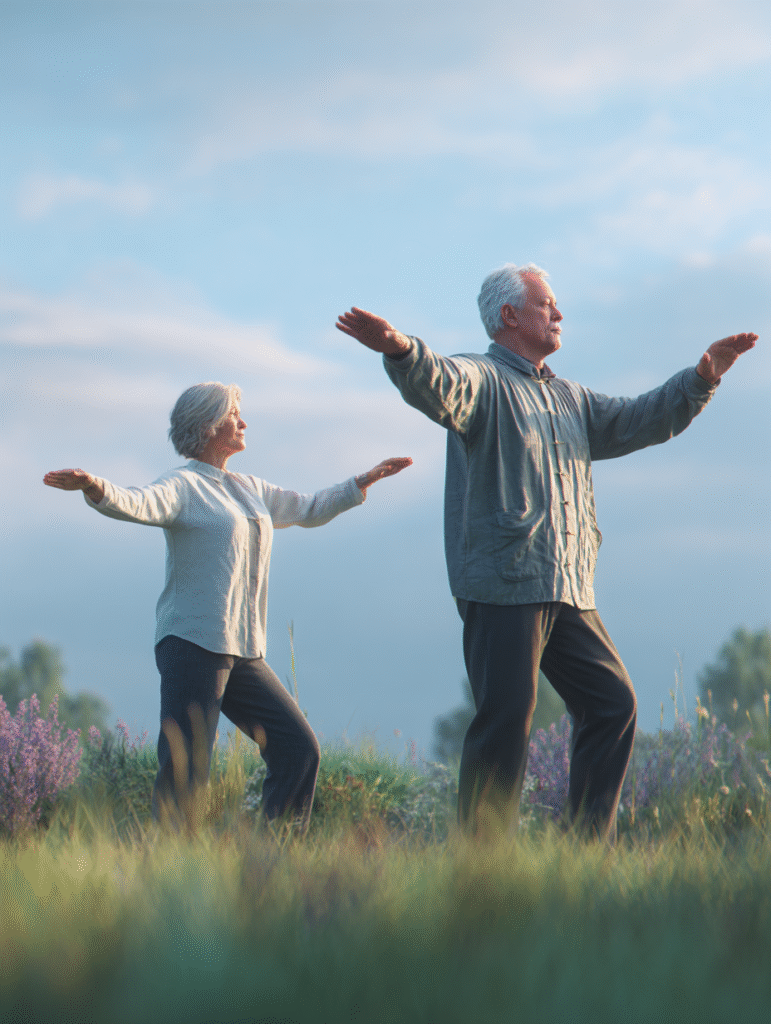
Try tai chi or yoga to improve balance and flexibility. These activities are especially helpful for preventing falls and improving posture. Even light stretching each morning can make a big difference.
Strength and Balance Matter
As you age, muscle mass tends to decline. But staying active after retirement helps slow that process. Use resistance bands or light weights at home. Focus on movements that build your leg and core strength. Even standing on one foot while brushing your teeth helps with balance.
Fueling Your Body for Energy
What you eat matters just as much as how you move. A steady diet of whole foods, fruits, vegetables, and lean protein gives your body the fuel it needs. Don’t forget to stay hydrated and aim for a full night’s sleep. These habits support your energy levels and recovery.
Your physical health is the base of your entire routine. Staying active after retirement starts here. When your body feels strong, it’s easier to enjoy the rest of your day.
Pillar 2: Sharpening Your Mind and Sparking Creativity
Staying active after retirement isn’t just about moving your body. Your brain needs attention too. Mental sharpness helps you stay confident, curious, and connected to the world around you. Keeping your mind engaged also supports long-term cognitive health.

Become a Lifelong Learner
Learning something new keeps your brain growing. It can be a language, a skill, or a topic that always interested you. Staying active after retirement gives you the time and space to explore new subjects.
You can try free or low-cost courses from platforms like Coursera or The Great Courses. Community colleges often offer classes made for older adults. Apps like Duolingo make learning a language fun and easy.
Engage Your Brain Daily
Daily habits can make a big impact. Reading, doing puzzles, solving crosswords, or using brain-training apps can help keep your thinking clear and focused. Staying active after retirement means making these routines part of your everyday life.
Even 15 minutes a day with a puzzle or book can strengthen memory and concentration. Keeping your brain busy also helps reduce feelings of boredom or restlessness.
Unleash Your Creative Side
Creative activities keep your brain flexible. Painting, writing, photography, or gardening give you a way to express yourself. They can also provide structure and joy.
Staying active after retirement often leads people to discover talents they never knew they had. Start small. You don’t need to be perfect. The goal is to enjoy the process and keep your mind engaged in meaningful ways.
Pillar 3: Deepening Your Social Connections
Human connection is essential for health and happiness. Staying active after retirement includes staying socially involved. Isolation can creep in slowly, especially if your social life used to revolve around work. The key is to stay intentional about connecting with others.
Find Your Community
Look for groups or gatherings that fit your interests. Joining a book club, hiking group, or local senior center can add joy to your week. Apps like Meetup make it easy to find nearby events. These connections support emotional health and keep you engaged.

Staying active after retirement means surrounding yourself with people who bring energy and purpose into your life. A consistent social schedule can be just as important as exercise or learning.
Connect Across Generations
Some of the richest relationships happen across age groups. Volunteering at a school, mentoring a young adult, or helping with local programs can give your days fresh meaning. Spending time with grandchildren builds memories and keeps you on your toes.
Staying active after retirement goes beyond physical activity. Regular interaction with others brings a sense of belonging that lifts your mood and strengthens your emotional well-being.
Keep Relationships Strong
Call a friend. Meet someone for coffee. Join a lunch group. These simple actions help you feel connected and valued. They also provide chances to laugh, share stories, and stay emotionally grounded.
By making social life a regular part of your routine, you’re building a support system that helps with staying active after retirement in every sense.
Pillar 4: Rediscovering and Redefining Your Purpose
Purpose fuels motivation. It gives your days direction and helps you feel useful. Staying active after retirement becomes easier when you have a reason to get up each morning. Without that sense of purpose, even a full calendar can feel empty.
Give Back with Your Time and Talents
Volunteering can fill your time with meaning. Helping others builds confidence and connects you with your community. Sites like VolunteerMatch, AmeriCorps Seniors, and SCORE offer opportunities suited for retirees with different interests and skill levels.
Staying active after retirement is not only about what you do, but why you do it. Giving back adds depth to your routine and reminds you that your experience still matters.
Share Your Professional Wisdom
Your career may be over, but your knowledge is still valuable. Many retirees enjoy part-time work, consulting, or tutoring in their former field. These activities keep your mind sharp and give you a chance to continue contributing without the pressure of a full-time job.
Staying active after retirement through work doesn’t mean going back to the grind. It can be flexible, part-time, and focused on what you enjoy most.
Pursue a Lifelong Passion Project
Now is the time to start that project you always put off. Whether it’s writing a book, restoring furniture, building a garden, or starting a small online shop, this is your chance. Passion projects add excitement and help create a fulfilling rhythm to your week.
Staying active after retirement becomes easier when you’re working on something you care about. It adds focus and helps you feel proud of what you’re building.
Creating Your Weekly Activity Plan
Good intentions often fade without structure. That’s why creating a weekly plan can make a big difference. Staying active after retirement works best when you set simple goals and follow a steady rhythm.
Start by choosing at least one activity from each of the Four Pillars every week. This helps you stay balanced and avoid boredom. You don’t need to fill every hour. Just pick a few key moments that support your body, mind, social life, and sense of purpose.
Sample Week at a Glance
Monday:
Morning walk at the park (Physical)
Read a new book chapter (Mental)
Tuesday:
Join a community class (Social)
Volunteer at a local food bank (Purpose)
Wednesday:
Strength exercises with resistance bands (Physical)
Paint or sketch for 30 minutes (Mental)
Thursday:
Call a friend for lunch (Social)
Help a neighbor with a project (Purpose)
Friday:
Stretch and yoga session (Physical)
Write a short story or journal (Mental)
Saturday:
Attend a group outing (Social)
Plan your next week’s goals (Purpose)
Sunday:
Rest and reflect on what felt good
Add ideas for the coming week
This type of routine helps with staying active after retirement in a way that feels rewarding, not overwhelming. To make things easier, you can download a free “Retirement Activity Planner” PDF. Use it to write your own schedule and adjust as needed.
Your plan is yours. Keep it flexible and enjoyable. The goal is to stay engaged, not stay busy for the sake of it. Staying active after retirement is a personal journey, and this tool helps you stay on track with intention.
This part also fits well with Balance Exercises for Seniors, Senior Fitness Classes, and Powerful Self Care Routines for Seniors That Truly Work because staying active in retirement is easier when exercise, balance, and daily well-being support each other.
Frequently Asked Questions
How do I not get bored in retirement?
Boredom often shows up when there’s no structure or goal. Staying active after retirement helps prevent this by keeping your days filled with purpose. Use the Four Pillars framework to add variety and direction. Try mixing physical movement, learning something new, connecting with others, and working on personal goals.
How can I stay mentally sharp after retirement?
Your brain needs regular activity just like your body. Staying active after retirement includes reading, solving puzzles, taking online classes, or learning new skills. These habits build brain strength and keep your mind alert and engaged.
What is the best low-impact exercise for seniors?
Walking, swimming, and gentle yoga are among the most effective low-impact exercises. They support heart health, joint strength, and balance. Staying active after retirement means finding the type of movement that fits your body and feels enjoyable.
How do I find a new purpose after my career ends?
Purpose can be found in giving back, mentoring, starting a passion project, or simply learning something new. Staying active after retirement gives you the space to explore what really matters to you. Focus on what excites you, challenges you, or helps others.
Can social activities really improve my health?
Yes. Social connection supports mental and emotional health. Staying active after retirement through regular social interaction helps reduce loneliness, stress, and even physical decline. Relationships are just as important as diet or exercise.
By following the Four Pillars and using these answers as a guide, staying active after retirement becomes a rewarding, ongoing process.
Conclusion
Retirement isn’t the end of the road. It’s a new beginning. Staying active after retirement is not just about movement or passing time. It’s about creating a life that feels full, balanced, and meaningful.
The Four Pillars give you a simple structure to follow. They help you care for your body, stimulate your mind, stay socially connected, and rediscover your purpose. When each part gets attention, you feel stronger, more focused, and ready for whatever comes next.
Start small. Choose one activity from each pillar and build your week around it. Use your Retirement Activity Planner to stay on track. Make space for joy, for curiosity, for people who matter.
Staying active after retirement is your chance to live with intention. This is your time. Make it count.
To expand the topic, this post can also connect to Powerful Habits for a Longer Life After 60, How to Age Gracefully, Healthy Eating for Seniors, the Healthy Aging category, and the Mobility & Fitness category to tie physical activity to healthy habits, nutrition, and long-term wellness after 60.