Threshold Ramp vs Folding Ramp for Seniors: Which Is Better?

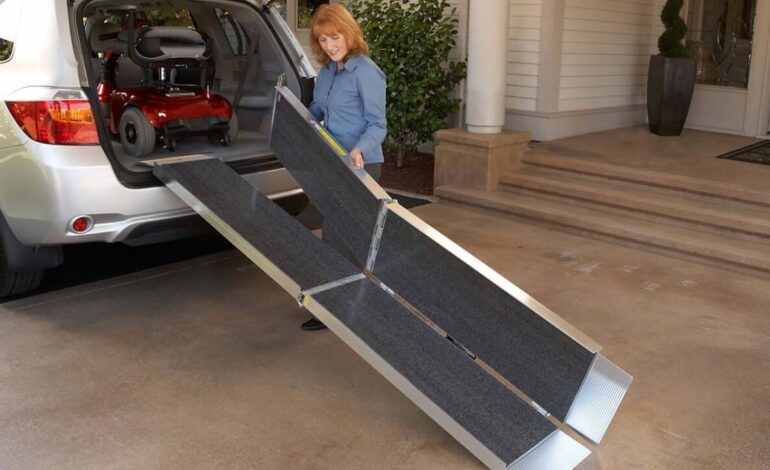
Choosing between a threshold ramp and a folding ramp can feel harder than it should, especially when you want a safer way for an older adult to get through a doorway or over a small step. The best option depends on the height of the barrier, how often the ramp will be used, and whether it needs to stay in place or be moved when needed. A threshold ramp is often the better fit for low door transitions, while a folding ramp usually makes more sense for higher entry points and more flexible use. In this guide, we compare both options in simple terms so seniors, caregivers, and family members can decide which ramp offers the better mix of safety, ease of use, and everyday convenience.
Table of Contents
Quick Answer: Threshold Ramp vs Folding Ramp
If the barrier is a low doorway lip, patio track, or small indoor transition, a threshold ramp is usually the better choice. A threshold ramp works best when the rise is small, the setup needs to be simple, and the goal is safer everyday movement with a wheelchair, walker, or rollator.
If the barrier is higher, such as a home entry step or porch step, a folding ramp is often the better option. It gives more length, which usually creates a gentler incline and smoother access. It also makes more sense when the ramp needs to be moved, stored, or used in more than one place.
In simple terms, a threshold ramp is best for low, fixed transitions at doors, while a folding ramp is better for taller rises and more flexible use. For many seniors, the right choice comes down to barrier height, portability, and how often the ramp will be used at home.
Threshold Ramp vs Folding Ramp Comparison Table
Use this threshold ramp comparison table to see the main differences at a glance. A threshold ramp usually works best for low door transitions, while folding ramps are often better for higher steps and more flexible use. This threshold ramp section is meant to make the choice easier for seniors, caregivers, and family members.
| Ramp or Product | Type | Best for | Typical rise | Portability | Storage | Ease of use | Price level | Main drawback |
|---|---|---|---|---|---|---|---|---|
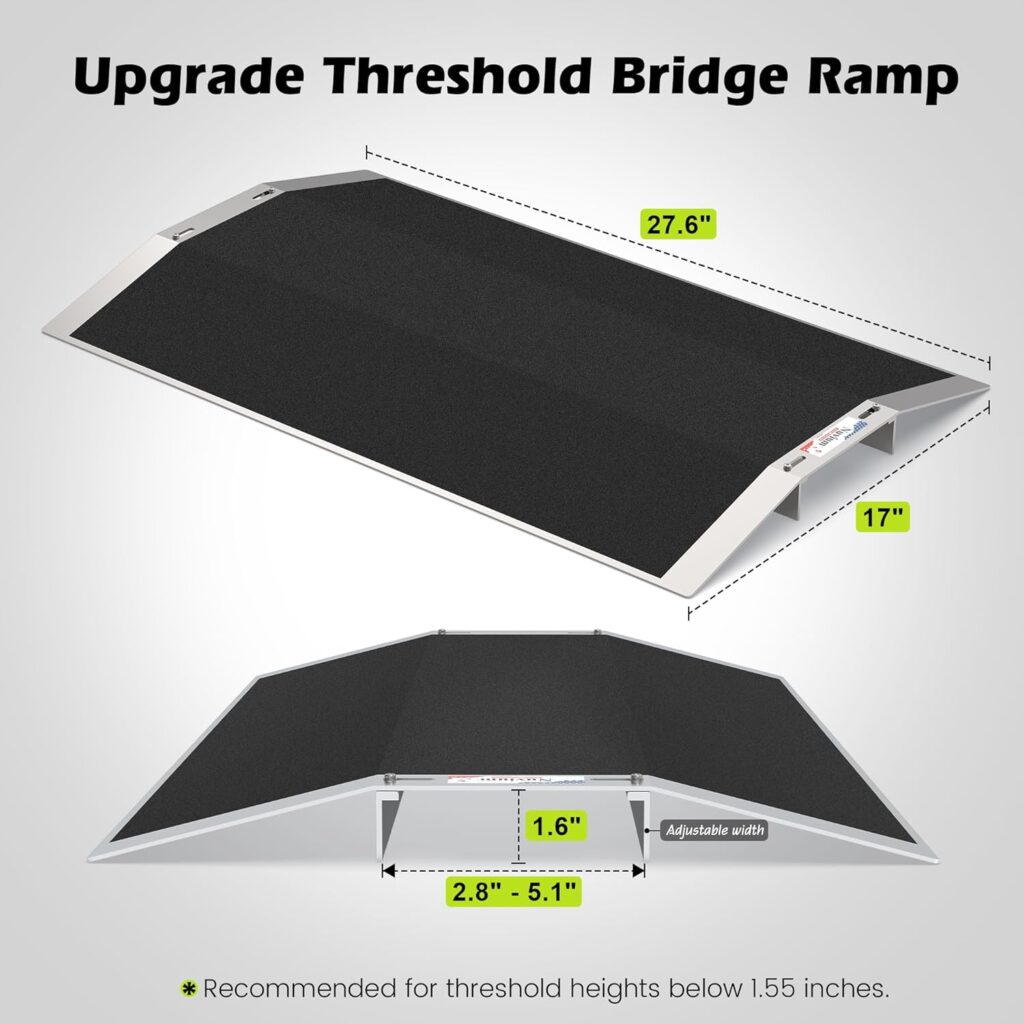
| Rampe de seuil Nuvium 27,6 pouces | Threshold ramp | Sliding doors, patio tracks, very low thresholds | Up to 1.6 inches | Very light and easy to move | Very compact | Very easy | Moderate | Only fits low barriers |
| Ruedamann 2FT Wheelchair Ramp | Threshold ramp | Low steps, garages, door thresholds | About 2 inches | Light and easy to carry | Less compact than folding styles | Easy | Moderate | One piece design takes more storage space |
| FACHNUO 2 Feet Portable Wheelchair Ramp | Folding ramp | Low thresholds, short steps, temporary doorway use | About 2 to 6 inches | Good | Compact when folded | Easy | Moderate | Not ideal for higher rises |
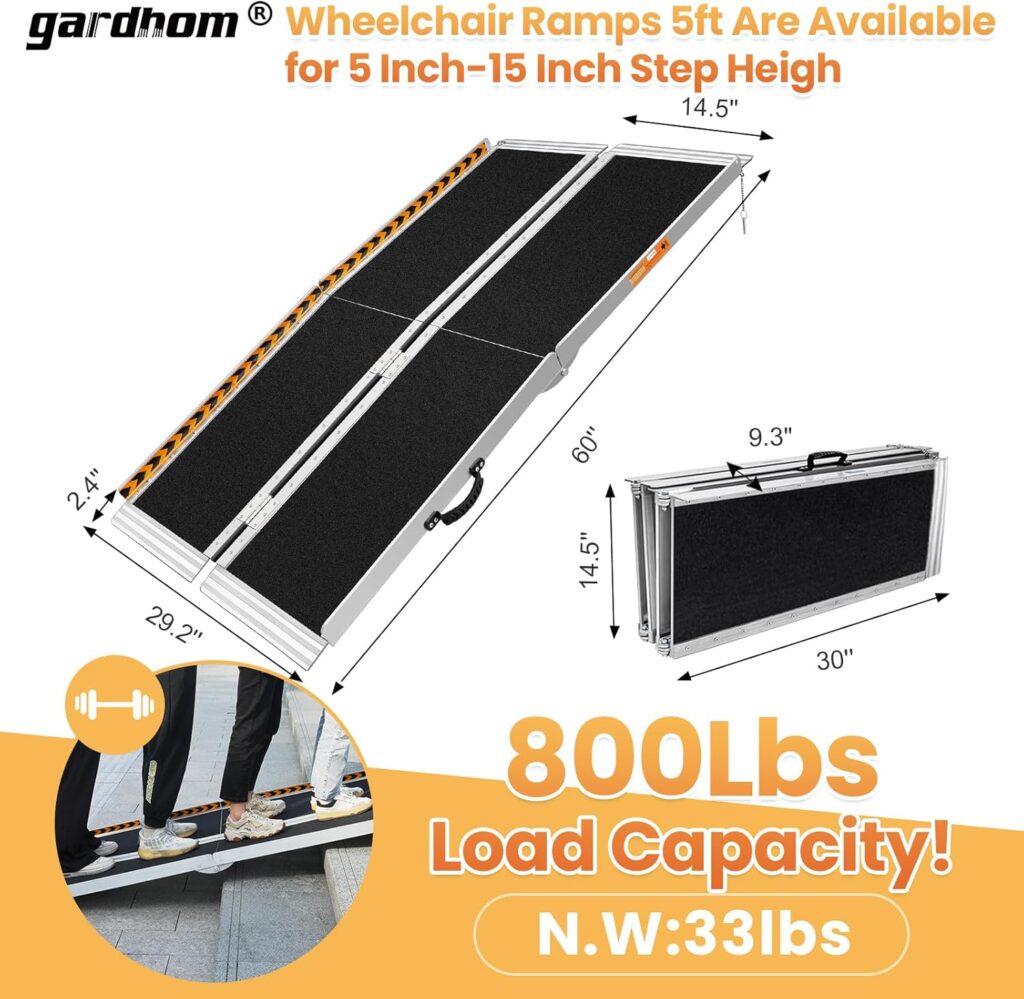
| gardhom 5FT Ramp for Wheelchair for Home Steps | Folding ramp | Medium height home entrances | About 5 to 15 inches | Fair | Good when folded | Moderate | Higher | Heavier than short ramps |
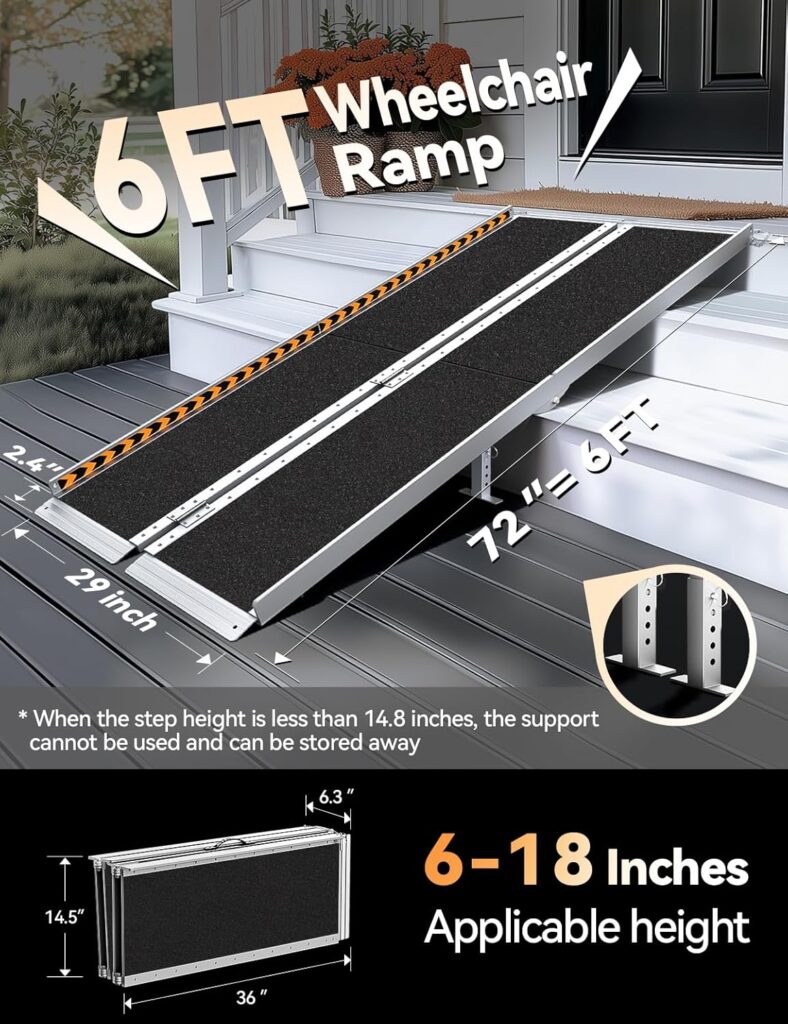
| FACHNUO 6 Feet Portable Wheelchair Ramp | Folding ramp | Taller entry steps and porch access | About 6 to 18 inches | Lower | Good when folded | Moderate | Higher | Heavy to move often |
This comparison shows a simple pattern. If the barrier is low and fixed, a threshold ramp is usually the easier answer. If the barrier is taller or the ramp needs to be moved from place to place, a folding ramp often gives better overall access.
Key Differences Between a Threshold Ramp and a Folding Ramp
Height and Rise They Handle
The biggest difference is the type of barrier each ramp is meant to solve. A threshold ramp is made for low rises such as door lips, patio tracks, and small entry points inside or just outside the home. A folding ramp is better for taller steps because it gives more length, which helps create a smoother incline.
Portability and Storage
A threshold ramp is usually easier to place, remove, and reposition when the barrier is small. Many models are compact enough to keep near a doorway without taking up much room. A folding ramp can still be portable, but it is often heavier and bulkier, especially in longer sizes made for higher steps.
Ease of Setup
For simple daily access, a threshold ramp often feels easier to use. In many cases, it can be placed quickly with very little effort. A folding ramp may take more time because it needs enough floor space, a stable landing area, and careful placement before use.
Daily Home Use vs Occasional Use
A threshold ramp usually makes more sense when the same doorway causes a problem every day. It is a practical choice for repeated use in one location. A folding ramp is often the better fit for occasional needs, such as temporary recovery, visits, or access to different parts of the home.
Indoor and Outdoor Fit
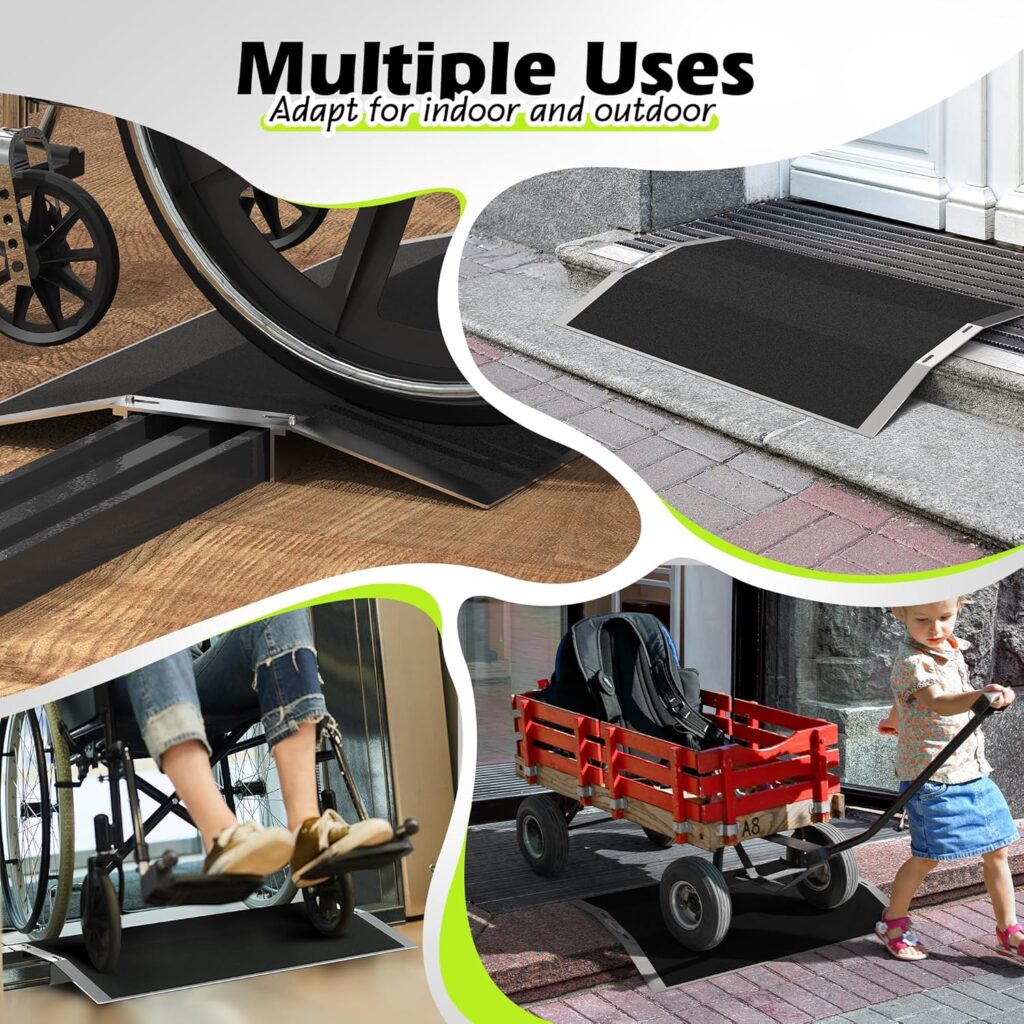
A threshold ramp works especially well for sliding doors, room transitions, and low fixed thresholds. Folding ramps are more useful for entry steps, porches, garages, and outdoor access points where the rise is too tall for a small doorway solution.
Comfort for Wheelchair and Walker Users
Comfort depends on both height and slope. A threshold ramp can feel smooth and convenient when the barrier is low and the fit is correct. For taller rises, a folding ramp is often more comfortable because the added length can make movement easier for wheelchair users, walkers, and caregivers assisting from behind.
Best Threshold Ramp Options in This Comparison
A threshold ramp makes the most sense when the barrier is low, fixed, and part of everyday movement through the home. In this comparison, these two picks stand out for seniors and caregivers who need a simple threshold ramp solution for doorways, patio tracks, or small entry points.
Nuvium 27.6″L × 1.6″H Bridge Threshold Ramp
This is the most doorway-focused option in the group. It is best for sliding doors, patio tracks, and very low thresholds where a smooth roll-over matters more than long ramp length. At only 6.24 pounds, it is very light and easy to place or remove when needed.
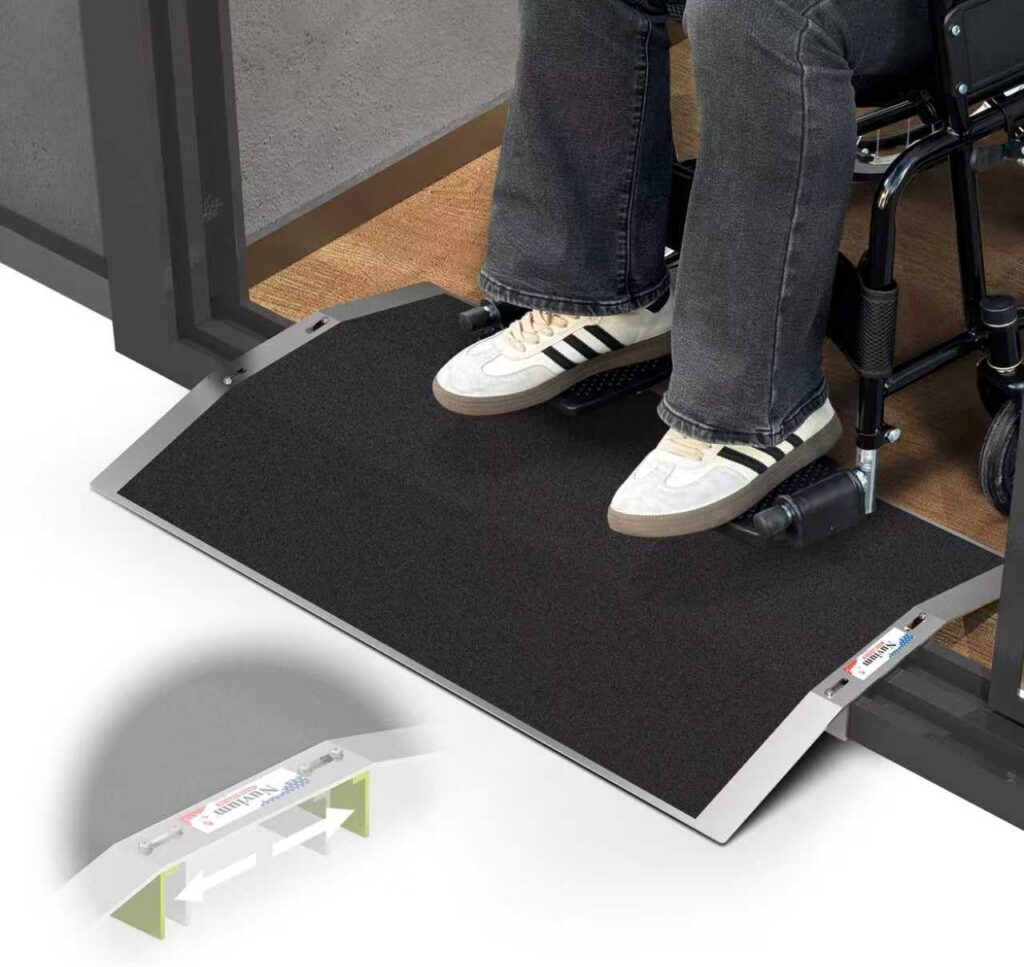
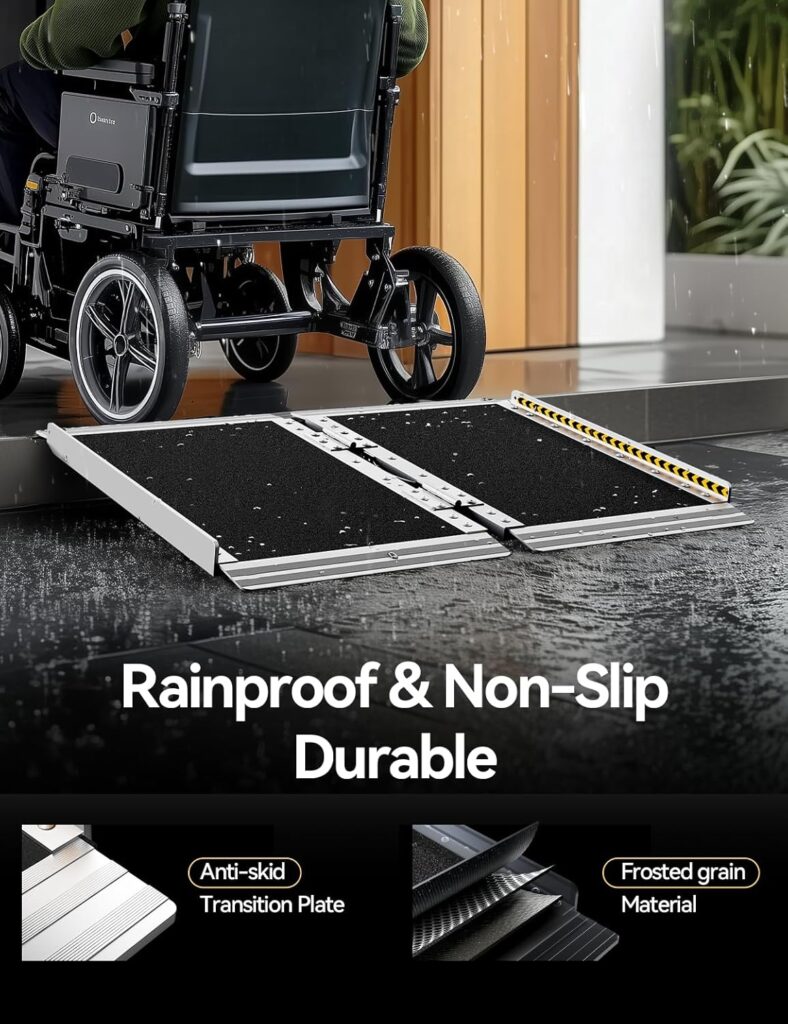
Its one-piece aluminum design arrives assembled, which helps reduce setup effort. The non-slip surface also supports safer daily use, especially in spots where a wheelchair, walker, or rollator needs to pass over a small raised edge. Another useful feature is the adjustable support bars, which help it fit certain doorway widths more securely.
The main limitation is height. This model is made for low barriers up to 1.6 inches, so it is not the right choice for taller steps or entry points. It also needs a compatible doorway width to fit correctly. For seniors who mainly need help with a sliding door or a low threshold, though, it is one of the most practical options here.
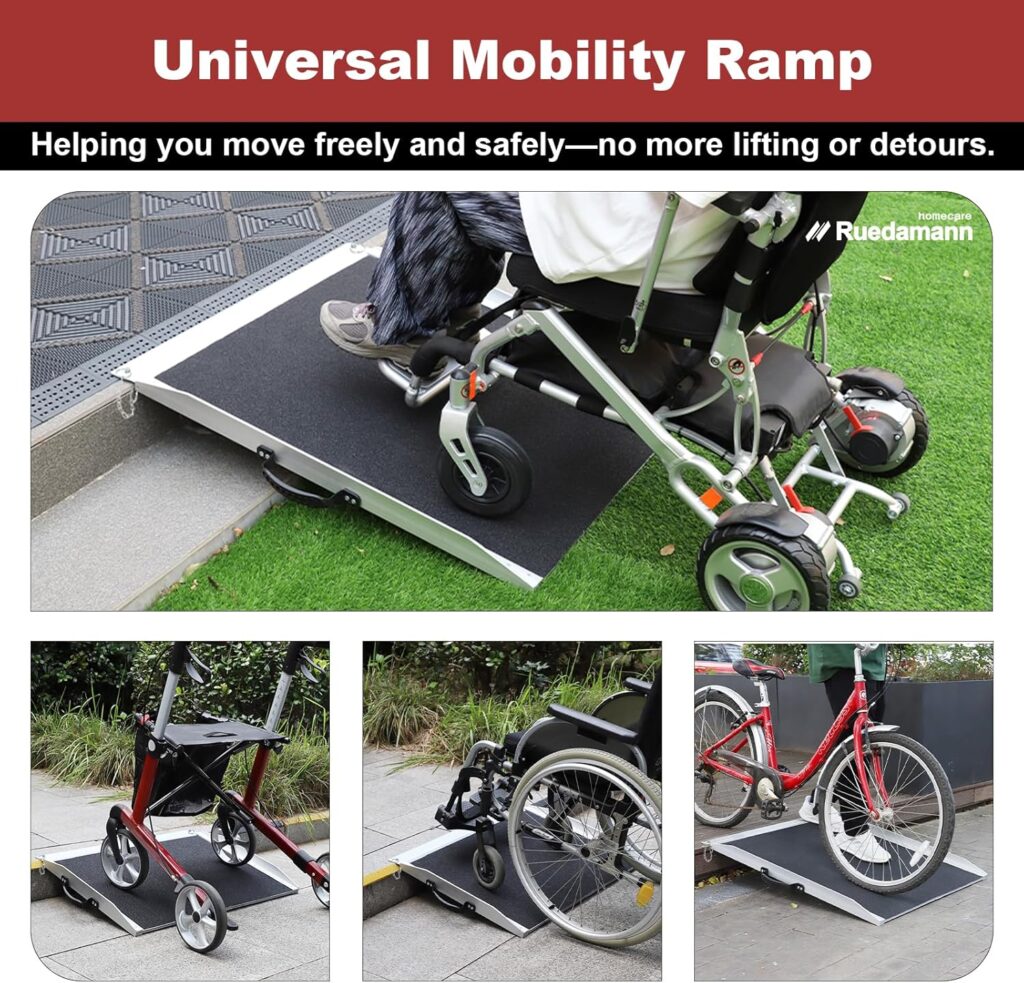
Ruedamann 2FT Wheelchair Ramp
The Ruedamann 2FT model is a good choice for low steps, garages, and door thresholds where easy carrying matters. It weighs about 10 pounds, so it is still light enough for many caregivers to move without much trouble. Because it is ready to use out of the box, it can be a convenient pick for quick daily placement.
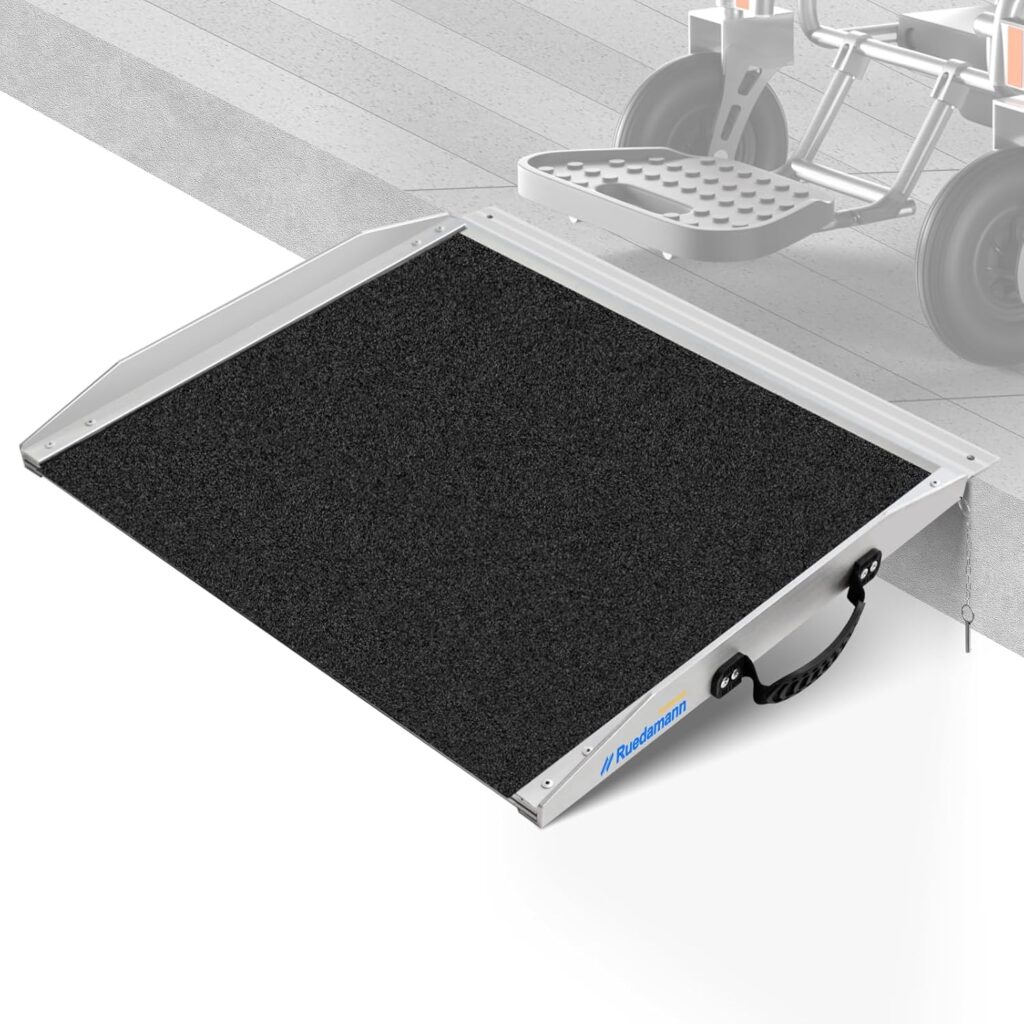
Its anodized aluminum build should hold up well in regular use, and the raised side rails add a bit more security while moving over the ramp. That makes it a solid threshold ramp option for people who want something simple and dependable for low rises.
The trade-off is storage. Since it is one piece and not foldable, it is less compact than briefcase-style ramps. Its stated capacity is also lower than some 800-pound models. Still, for low barriers and frequent repositioning, it offers a very practical balance of weight, simplicity, and everyday ease.
Best Folding Ramp Options in This Comparison
When a threshold ramp is not enough for the height you need to cover, a folding ramp usually becomes the better choice. This part of the comparison looks at the folding models that work better for entry steps, porches, and larger height changes where a small threshold ramp would not be practical.
FACHNUO 2 Feet Portable Wheelchair Ramp
This model is the closest folding option to a threshold ramp because it is still short, light, and easy to move. It works best for low thresholds, short doorways, and small home steps around 2 to 6 inches. At 10.9 pounds, it is manageable for many caregivers, and the folding design makes storage easier than a one-piece ramp.
It also includes useful safety details such as a textured non-slip surface, reflective strips, guide rails, and side baffles. Those features can help seniors and caregivers feel more secure during short everyday use. The stated 800 pound maximum load is also strong for a compact ramp.
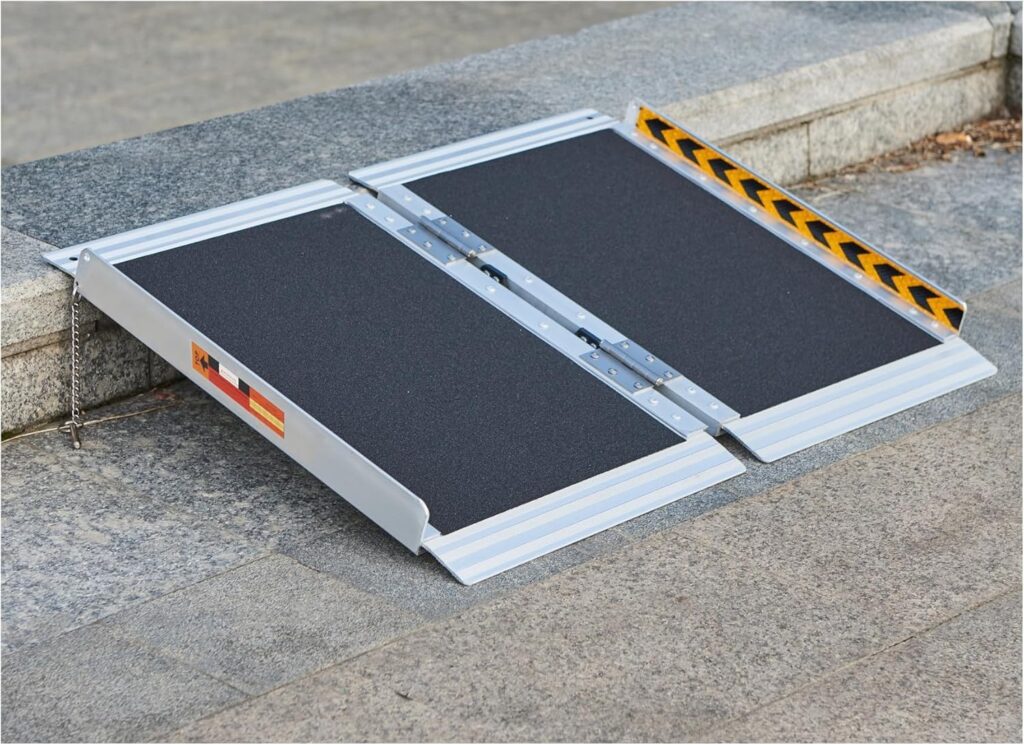
The main drawback is that it is still limited by length. It is not a good choice for taller rises, and the seller notes that slight sinking during use can happen. For a low barrier that needs a portable solution, though, it offers a good balance between convenience and function.
gardhom 5FT Ramp for Wheelchair for Home Steps
The gardhom 5FT ramp is a better fit for medium-height home entrances where a basic threshold ramp would be too short. It is designed for rises around 5 to 15 inches, so it gives more flexibility for front doors, garage entries, and other home access points that need more reach.
Its wide platform can help users feel more stable, and the anti-slip surface with rubber pads adds another layer of grip. The option to secure it with anchor bolts is also helpful for households that want more stability during repeated use. This model feels more serious than a small doorway ramp and is better suited to regular access needs.
The trade-off is weight and handling. At about 27.5 pounds, it is not as easy to move as a short ramp, and it needs more storage space. Even so, it is a strong middle-ground option for families who need more coverage without stepping up to the longest ramps.
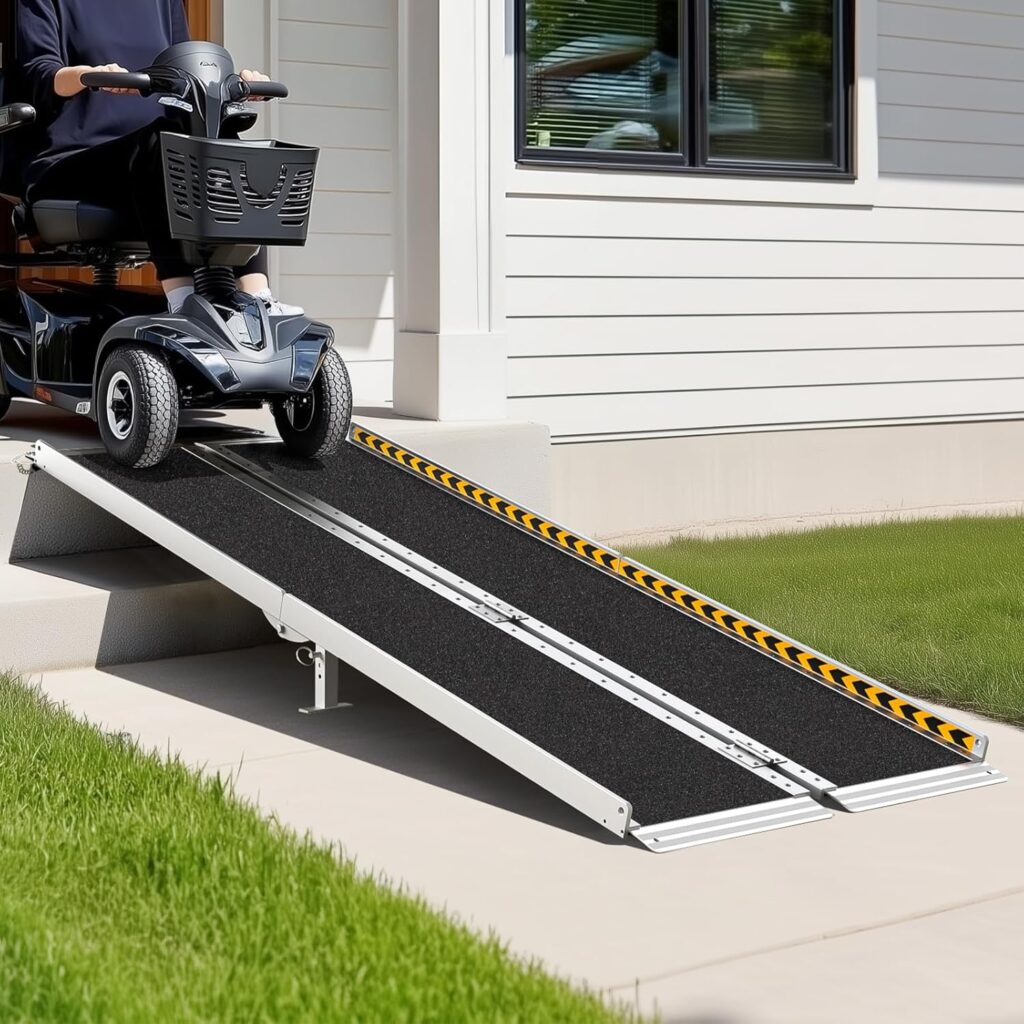
FACHNUO 6 Feet Portable Wheelchair Ramp
This is the best choice in the group for taller home steps and porch access. A threshold ramp is simply not made for this kind of rise, so a longer folding ramp like this one makes much more sense. With a 72 inch length, it helps create a gentler incline for wheelchairs and caregiver-assisted use.
It has support legs, a non-slip pleated surface, reflective strips, side baffles, and guide rails, all of which support safer repeated use. The downside is portability. At 35.2 pounds, it is much heavier to move, and storage takes more planning. Still, for higher steps and regular home access, it is the strongest folding option in this comparison.
Best for Different Senior Needs
Choosing between a threshold ramp and a folding ramp becomes easier when you look at the exact barrier and the daily routine. In some homes, a threshold ramp is the clear winner. In others, a folding ramp gives better access and a safer incline.
Best for Very Low Door Thresholds
The best choice here is the Nuvium 27.6″L × 1.6″H Bridge Threshold Ramp. This threshold ramp is made for sliding doors, patio tracks, and very low transitions where a long folding ramp would feel unnecessary. It is light, compact, and easy to place, which makes it a strong fit for seniors who need smoother movement through one specific doorway.
Best for Wheelchairs at Home
For wheelchair use at home, the right choice depends on the height to cover. If the barrier is a small doorway lip, a threshold ramp is usually enough. If the barrier is a taller entry step, the gardhom 5FT Ramp or the FACHNUO 6 Feet Portable Wheelchair Ramp will usually work better because they offer more length and a gentler incline. For repeated home access over higher steps, the 6 foot FACHNUO model stands out most.
Best for Temporary Visits or Travel
The FACHNUO 2 Feet Portable Wheelchair Ramp is the best fit for temporary use. It folds, stores more easily than a one-piece threshold ramp, and is light enough for many caregivers to carry from place to place. It works well when the goal is short-term access at a doorway, small step, or home visit.
Best for Caregivers Who Need Easy Carrying
The Nuvium Bridge Threshold Ramp is the lightest and easiest to handle for very low barriers. At only 6.24 pounds, this threshold ramp is a smart pick when quick setup matters. If the caregiver needs something that can cover slightly higher rises while still folding for storage, the FACHNUO 2 foot model is another practical option.
Best for Taller Entry Steps
The FACHNUO 6 Feet Portable Wheelchair Ramp is the strongest option here. A threshold ramp is not designed for this kind of height, so a longer folding ramp is the safer and more realistic choice. For porches, higher home entries, and repeated wheelchair access, this model gives the most appropriate reach in this comparison.
Pros and Cons of Threshold Ramps
A threshold ramp can be an excellent solution for seniors who need help getting over a low doorway lip, patio track, or small room transition. In the right setting, a threshold ramp is simple, practical, and much easier to manage than a longer folding ramp. Still, it is not the best choice for every home or every barrier.
Main Advantages
One of the biggest advantages of a threshold ramp is how well it works for low, fixed transitions. If the problem is a small rise at a doorway, this type of ramp can create a smoother path for a wheelchair, walker, or rollator without taking up too much space.
Another benefit is convenience. A threshold ramp is usually compact, lighter than a long folding ramp, and easier to place quickly. That can be especially helpful for caregivers who want a solution that does not require much setup each time it is used.
This type of ramp also fits daily home use well. For a senior who passes through the same doorway several times a day, a threshold ramp often feels more natural and less bulky than a longer portable ramp. In many homes, it is the most practical way to improve access without adding a larger mobility aid than the space really needs.
Main Drawbacks
The biggest limitation of a threshold ramp is height range. It is designed for low barriers, not taller steps or porch entries. If the rise is too high, the ramp may not give a safe or comfortable incline, which means a folding ramp is often the better answer.
Fit is another important issue. A threshold ramp has to match the doorway or barrier closely to work well. If the height, width, or placement is off, the ramp may feel less stable or less useful in everyday use.
Storage is usually easier than with long ramps, but some one-piece models still take up room when not in use. Also, while a threshold ramp can be very helpful for low transitions, it does not offer the same flexibility as a folding ramp that can be moved between different entry points.
Overall, a threshold ramp is a strong option for small, everyday barriers, but it works best when the home has the right kind of threshold problem to solve.
Pros and Cons of Folding Ramps
A folding ramp is often the better option when a threshold ramp cannot cover the height safely. For seniors who need access over entry steps, porches, or larger rises, a folding ramp usually offers more reach and more flexibility than a threshold ramp. Still, it comes with trade-offs that matter in daily use.
Main Advantages
The biggest advantage of a folding ramp is its ability to handle taller rises. While a threshold ramp is meant for low doorway transitions, a folding ramp can cover higher steps more comfortably because it gives more length. That extra length can help create a gentler slope, which may feel smoother for wheelchair users and easier for caregivers to manage.
Another benefit is portability. A folding ramp can be stored when not in use and moved to different locations when needed. That makes it useful for temporary recovery situations, visits to family, or homes where the access point changes. In many cases, a folding ramp gives families more flexibility than a fixed threshold ramp that only solves one small barrier.
Folding ramps can also work well for both indoor and outdoor access, depending on the model. This makes them a practical choice for seniors who need help at a front door, garage entry, or porch step.
Main Drawbacks
The main drawback is weight. A folding ramp is often heavier and bulkier than a threshold ramp, especially in longer sizes. That can make setup harder for some caregivers and less convenient for daily repositioning.
Storage is another issue. Even though the ramp folds, it still takes up more room than a compact threshold model. In a small home, that can be frustrating.
A folding ramp may also feel like too much solution for a very small doorway problem. If the barrier is only a low lip or sliding door track, a threshold ramp is often simpler, lighter, and easier to live with every day.
Overall, folding ramps are stronger for taller access challenges, while a threshold ramp remains the better fit for low and simple transitions.
When a Threshold Ramp Is the Better Choice
A threshold ramp is the better choice when the barrier is low, fixed, and part of the same daily path through the home. This usually includes doorway lips, patio door tracks, small room transitions, and other low rises that do not need a long portable ramp. In these situations, a threshold ramp gives a simpler solution that feels easier to use every day.
This option also makes sense when quick placement matters. Many seniors and caregivers do not want to carry, unfold, and store a larger ramp just to cross a small doorway rise. A threshold ramp is often lighter, more compact, and easier to keep near the problem area for regular use.
Another reason to choose this type of ramp is space. In tight doorways or smaller homes, a long folding ramp can feel bulky and unnecessary. A threshold ramp is often a better fit when the goal is to improve access without taking up too much room.
In general, this is the right choice when the height is low, the location stays the same, and the user wants a practical everyday solution for smoother movement with a wheelchair, walker, or rollator.
When a Folding Ramp Is the Better Choice
A folding ramp is the better choice when the barrier is too high for a threshold ramp to handle comfortably. This usually includes front steps, porch entries, garage access points, and other areas where a small threshold ramp would be too short to create a smooth incline. In these situations, the extra length of a folding ramp can make wheelchair or walker access safer and easier.
A folding ramp also makes more sense when flexibility matters. If the ramp needs to be moved, stored, or used in different places, a folding model is usually more practical than a threshold ramp that is designed for one low transition. This can be helpful for temporary recovery, family visits, or homes where access needs may change over time.
Another good reason to choose a folding ramp is caregiver convenience. Even though some models are heavier, they can solve bigger access problems that a threshold ramp simply cannot. In general, a folding ramp is the better fit when the rise is taller, the setup may change, and the goal is to cover more than a small doorway barrier.
Safety and Usability Notes Before You Buy
Before buying a threshold ramp or folding ramp, it helps to look beyond the product title and focus on real daily use. The safest choice is not always the longest or most expensive one. It is the one that matches the barrier, the mobility device, and the person who will use it most often.
Measure the Rise and Usable Width
Start by measuring the height of the barrier and the clear width of the doorway or entry point. A threshold ramp only works well when the size is a close match. If the ramp is too short for the rise or too narrow for the space, it may feel awkward or less secure in daily use.
Check Wheelchair or Walker Fit
It is also important to think about what will roll across the ramp. A threshold ramp that looks wide enough may still feel tight for some wheelchairs, walkers, or rollators. Make sure the usable surface gives enough room for the device and for steady movement.
Look at Surface Traction
A good surface can make a big difference. A threshold ramp with a textured or non slip top may help improve grip, especially in entry areas that collect dust or light moisture. Folding ramps should also have a surface that helps reduce slipping during regular use.
Think About Who Will Move the Ramp
Some families need a ramp that stays in place, while others need one that can be carried and stored. A threshold ramp is often easier to handle when the barrier is low and fixed. A folding ramp may be more useful for changing locations, but the extra weight can make daily setup harder for some caregivers.
Make Sure Placement Is Stable and Flush
No ramp should rock, shift, or sit unevenly during use. A threshold ramp should rest flush against the doorway or raised edge so wheels can move smoothly across it. Folding ramps also need stable ground contact and enough landing space to work safely.
In the end, the safest ramp is the one that fits the space correctly and feels easy to use every day.
How to Choose the Right Ramp for Your Home
Choosing the right threshold ramp starts with one simple question: what kind of barrier are you trying to solve? A threshold ramp is excellent for low doorway transitions, but it is not always the right answer for taller entry steps. The best choice depends on height, location, daily use, and how much portability you need.
For Thresholds Up to About 1.5 to 2 Inches
If the barrier is a low doorway lip, patio track, or small room transition, a threshold ramp is usually the best fit. This type of threshold ramp is compact, easy to place, and much more practical than using a long folding ramp for a very small rise. For these situations, the Nuvium model is the most targeted option in this comparison.
For Low Steps Around 2 to 6 Inches
When the rise is a little higher, a basic threshold ramp may still work in some cases, but a short folding ramp often gives more flexibility. This is where the FACHNUO 2 Feet Portable Wheelchair Ramp can make sense. It still works well near a doorway, but it offers a bit more reach than a small threshold only design.
For Taller Rises Around 6 to 18 Inches
Once the barrier moves beyond a small doorway transition, a threshold ramp is usually no longer the best choice. A longer folding ramp is the better option because it gives more length and a smoother incline. For medium height entries, the gardhom 5FT model is a strong fit. For taller steps, the FACHNUO 6 Feet model is the better match.
For Temporary Use vs Daily Permanent Use
A threshold ramp is often better for daily use in the same spot. It is simple, quick to place, and easier to live with when the problem is always the same doorway or low transition. A folding ramp is more useful when the setup may change, the ramp needs to be stored, or the user needs access in more than one location.
Final Buying Tip
Before buying any threshold ramp or folding ramp, measure the rise, check the clear width, and think about who will place it most often. A smaller threshold ramp is often the smarter choice for low barriers, while a folding ramp is the better investment for higher steps and broader access needs.
FAQ
Is a threshold ramp better than a folding ramp for seniors?
A threshold ramp is better when the barrier is low and fixed, such as a doorway lip, patio track, or small room transition. A folding ramp is usually better for taller steps and for situations where the ramp needs to be moved or stored. In many homes, a threshold ramp is the simpler everyday choice for low barriers.
What height is best for a threshold ramp?
A threshold ramp is best for low rises, usually around small doorway changes in height rather than full entry steps. The exact fit depends on the ramp design, but in general, a threshold ramp works best when the barrier is low enough for a smooth and stable transition.
Can a folding ramp be used at a doorway?
Yes, a folding ramp can be used at a doorway, especially when the rise is too high for a threshold ramp to handle comfortably. Still, if the doorway only has a small lip or track, a threshold ramp is often easier to place, easier to store nearby, and more practical for daily use.
Are aluminum ramps a good choice for seniors?
Aluminum ramps are a common choice because they are usually lighter, durable, and easier to move than heavier materials. Whether you choose a threshold ramp or a folding ramp, an aluminum model can be a good fit when you want a balance of strength, portability, and easier handling.
What is the safest ramp for a wheelchair at home?
The safest option is the ramp that matches the height, width, and daily use needs of the home. A threshold ramp is often the safest choice for low doorway transitions because it is compact and simple to place. For taller rises, a longer folding ramp is usually the safer choice because it provides more length and a smoother incline.
Final Recommendation
For most low doorway transitions, a threshold ramp is the better choice because it is simpler, easier to place, and more practical for daily use. The Nuvium 27.6″L × 1.6″H Bridge Threshold Ramp is the best pick for very low thresholds, while the Ruedamann 2FT Wheelchair Ramp is a strong option for low steps and quick placement.
A folding ramp is the better choice when the rise is higher. The FACHNUO 2 Feet Portable Wheelchair Ramp works well for short temporary access, the gardhom 5FT Ramp fits medium home entrances, and the FACHNUO 6 Feet Portable Wheelchair Ramp is best for taller entry steps.
In simple terms, choose a threshold ramp for low fixed barriers and a folding ramp for taller rises or more flexible use.