Best Sock Aids for Seniors with Limited Mobility

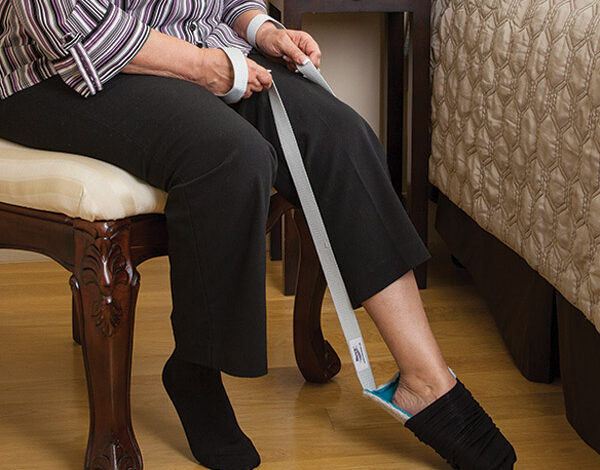
Getting dressed can become frustrating when bending down feels painful, awkward, or unsafe. For many older adults, a sock aid can make a simple daily task much easier. The right sock aid can help seniors put on socks with less bending, less strain, and more confidence during the morning routine.
This kind of dressing tool can be especially helpful for people with arthritis, hip surgery recovery, back pain, or reduced flexibility. It can also be useful for caregivers who want to make daily dressing safer and more comfortable for an aging parent. In this guide, we will look at the best options for regular socks, longer reach, easier handling, and special cases like compression stockings.
Table of Contents
Quick Answer
The best sock aid for most seniors with limited mobility is the CAidRE Sock Aid Device. It is light, flexible, and designed for everyday use with regular socks. The terrycloth outer layer helps hold the sock in place, while the nylon interior helps the foot slide in more smoothly.
If you want more than a basic sock aid, the Sock Aid Kit is a strong choice because it includes both a pull-on tool and a separate sock remover. For shoppers who need help with compression stockings, the Compression Sock Aid Device is the better pick because it is built for tighter, more demanding socks.
Overall, the right choice depends on the type of socks you wear, how much bending you can avoid, and whether grip comfort or extra reach matters most.
Sock Aid Comparison Table
This sock aid comparison table gives you a quick look at how each sock aid fits a different need. Some sock aid options work best for regular socks, while others are better for travel, extra reach, or compression stockings.
| Product | Best for | Type | Works best with | Main strength | Main drawback | Price |
|---|---|---|---|---|---|---|
| Sock Aid Kit, Sock Puller Aid Easy On and Off | Seniors who want both a pull-on tool and a remover | Flexible kit | Regular socks | Includes 2 tools for easier daily dressing | Not ideal for compression socks | $16.99 |
| CAidRE Sock Aid Device | Everyday use with regular socks | Flexible sleeve style | Most regular sock types | Lightweight design with terrycloth outside and nylon inside | Current listing price was not clearly visible | $9.99 |
| OrthoSleeve Sock Aid Device with Handle | Users who want more structure and a handle | Structured handled design | Regular socks | Stable base and handle-assisted use | Requires assembly before use | $24.99 |
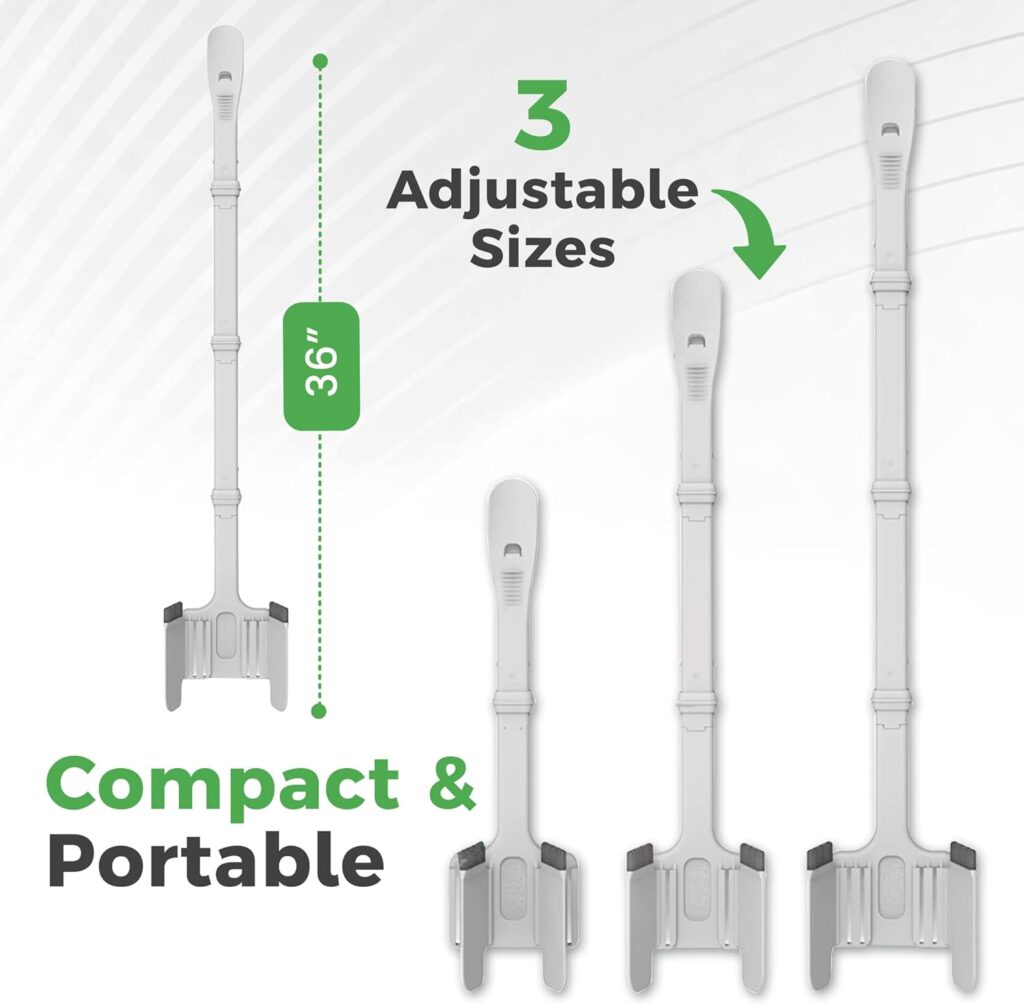
| Sock Ox | Seniors who want extra reach and travel-friendly storage | Adjustable multi-use design | Regular socks | Long reach up to 36 inches and built-in shoe horn | Not made for compression socks | $21.97 |
| Compression Sock Aid Device | Users who need help with tight compression stockings | Compression-specific design | Compression socks and hosiery | Made for medium to high elasticity socks | Higher price than most regular options | $39.95 |
If you want a simple everyday sock aid, the CAidRE model stands out for value and ease of use. If you need a more specialized sock aid, the compression model is the better fit for tighter socks that standard tools may struggle with.
Our Top Picks at a Glance
Choosing the right sock aid depends on the kind of help you need each day. Some seniors want a simple everyday tool, while others need a sock aid with extra reach, a firmer handle, or better support for tight compression stockings.
The CAidRE Sock Aid Device is the best overall pick for most users. It is light, simple to handle, and works well with many regular socks. Its terrycloth outer layer helps keep the sock in place, and the nylon interior helps the foot slide in with less effort.
The Sock Aid Kit, Sock Puller Aid Easy On and Off is a smart choice for anyone who wants more than a standard sock aid. It includes both a pull-on tool and a separate remover, which can make the full process easier for seniors, pregnant users, or people recovering from surgery.
The OrthoSleeve Sock Aid Device with Handle is best for users who want a more structured design. This sock aid offers a stable base and a handle that may feel easier to control for people with reduced flexibility who do not want a soft sleeve-style option.
The Sock Ox stands out for extra reach and travel use. Its adjustable length up to 36 inches and built-in shoe horn make it a helpful option for users who want one compact sock aid that can do more than one job.
The Compression Sock Aid Device is the best specialty pick in this group. It is made for medium to high elasticity compression stockings, so it is a better fit for users who need stronger dressing support than a basic everyday model can provide.
Best Sock Aids for Seniors with Limited Mobility
Finding the right sock aid is not only about price. The best sock aid should match the user’s strength, flexibility, and the kind of socks they wear most often. Below are the top picks in this guide, with a clear look at who each sock aid suits best.
1. Sock Aid Kit, Sock Puller Aid Easy On and Off
Best for: Seniors who want a sock aid and a separate sock remover in one kit
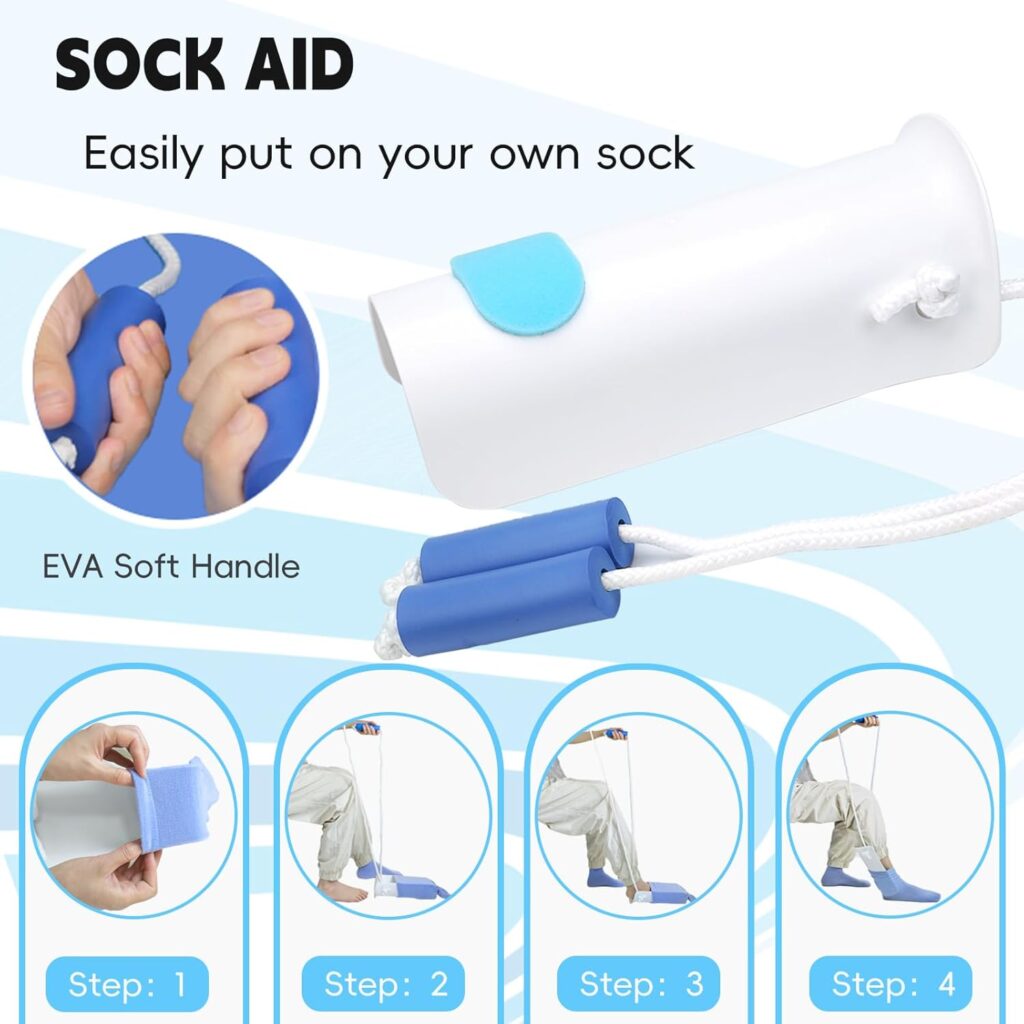
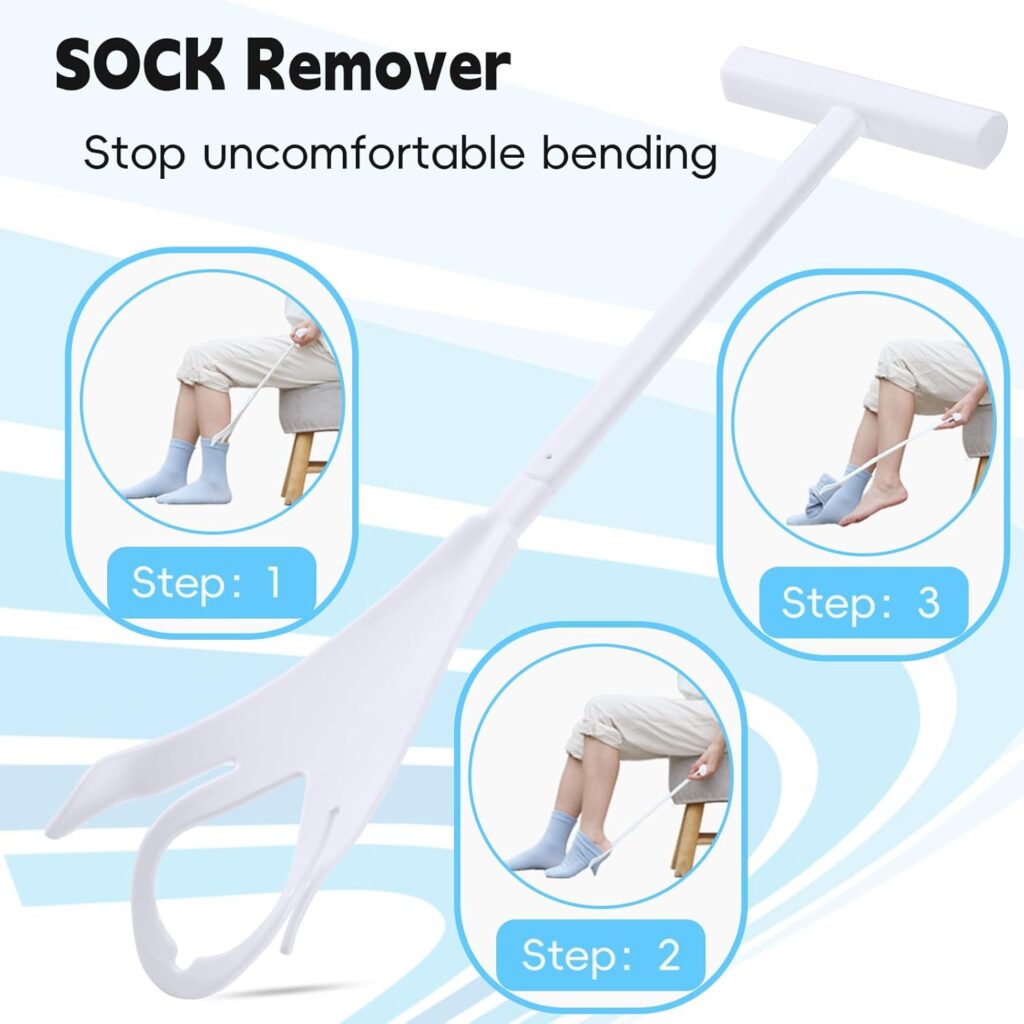
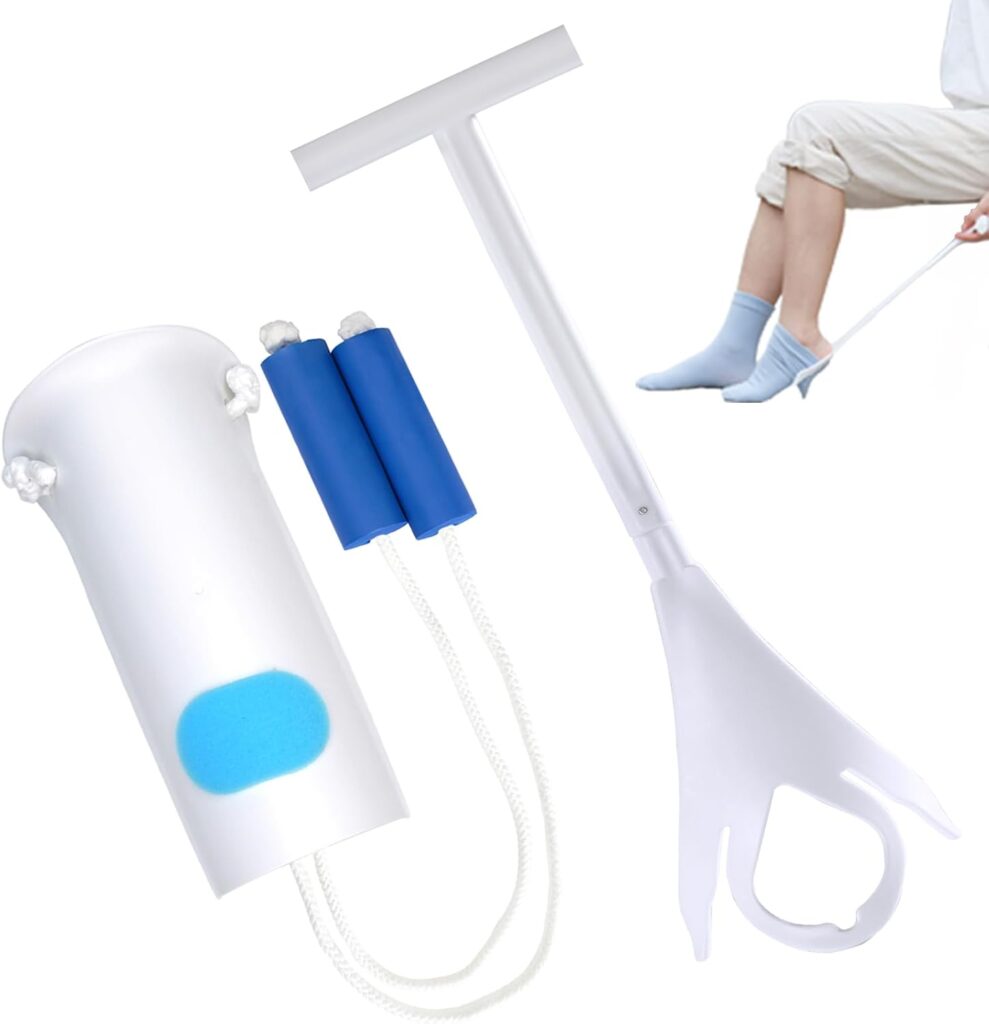
This sock aid stands out because it includes two tools instead of one. For many seniors, the hardest part is not only getting socks on but also taking them off without bending too much. This kit solves both problems in a simple way, which makes it a practical choice for daily dressing.
The main sock tool uses an adjustable 33 inch nylon rope, which can help users of different heights find a more comfortable pulling position. The removable sock remover adds extra value, especially for anyone who wants a more complete dressing setup at home. This sock aid may also work well for people recovering from surgery or for caregivers helping someone with limited mobility.
Key features
- 2 piece sock aid kit
- Adjustable 33 inch nylon rope
- Removable 18.5 inch sock remover
- Easy pull on and pull off design
- Compact for storage or carrying
Pros
- Includes both a sock aid and remover
- Adjustable cord gives more flexibility
- Easy to store between uses
- Helpful for seniors, pregnant users, and recovery needs
Cons
- Not the best sock aid for compression socks
- May not feel as structured as some rigid designs
Who should buy it: This option is a strong fit for anyone who wants a versatile sock aid kit instead of a single tool. It is especially useful for users who want help with both putting socks on and taking them off.
CTA: If you want a simple all in one sock aid kit for daily use, this is one of the most practical choices in the group.
2. CAidRE Sock Aid Device
Best for: Everyday use with regular socks
The CAidRE model is the best overall sock aid in this lineup for many seniors. It is light, flexible, and straightforward, which makes it a strong match for people who want a basic tool that does the job without extra setup. Its terrycloth outside helps hold the sock in place, while the nylon inside helps the foot slide in more smoothly.
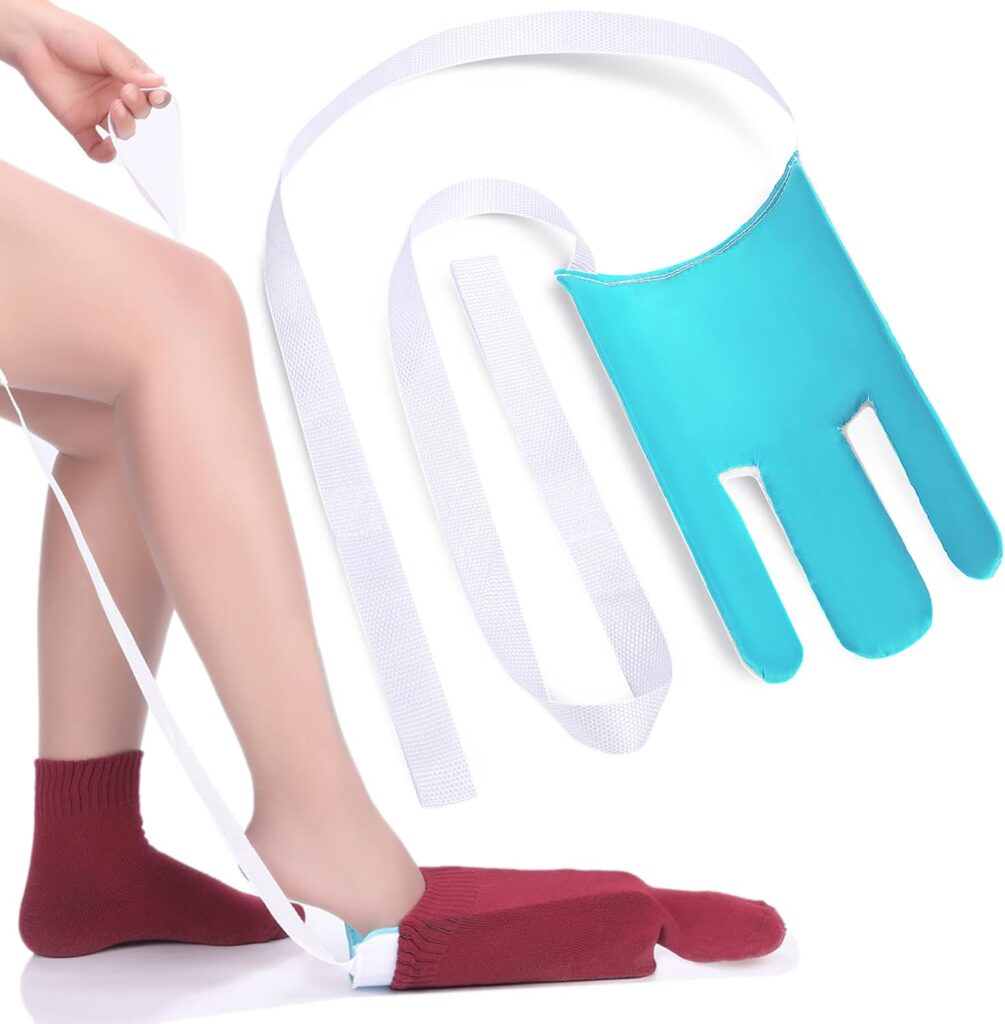
One reason this sock aid works well for regular daily use is its balance of comfort and ease. The three finger flexible design helps the device adapt to the shape of the sock, which can make loading and pulling feel less awkward. It is also lightweight at just 2.4 ounces, so it should be easier for many older adults to handle without feeling bulky.
This sock aid is best for standard socks and common daily dressing needs. It is not packed with extra features, but that is also part of its appeal. It keeps things simple, and simple often works best for seniors who want a dependable dressing aid without a learning curve.
Key features
- Terrycloth exterior
- Nylon interior
- Three finger flexible design
- Works with many regular sock types
- Lightweight size for everyday use
Pros
- Good grip on regular socks
- Flexible shape helps with loading
- Lightweight and easy to handle
- Good value based on listed price
Cons
- Current listing price visibility was limited
- Not positioned as a specialty sock aid for compression socks
Who should buy it: Choose this sock aid if you want a basic everyday option for regular socks and limited mobility. It is a very good fit for seniors who want a light and uncomplicated dressing tool.
CTA: For a simple everyday sock aid that covers the basics well, this is the strongest all around pick.
3. OrthoSleeve Sock Aid Device with Handle
Best for: Users who want a more structured sock aid with a handle
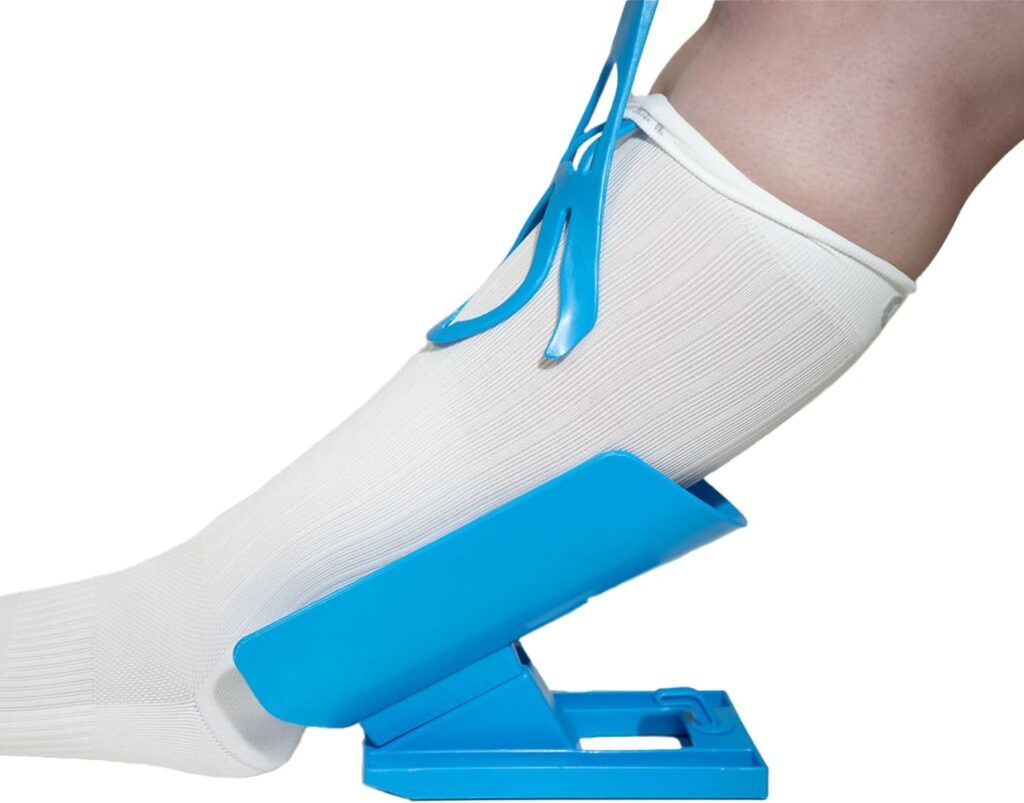
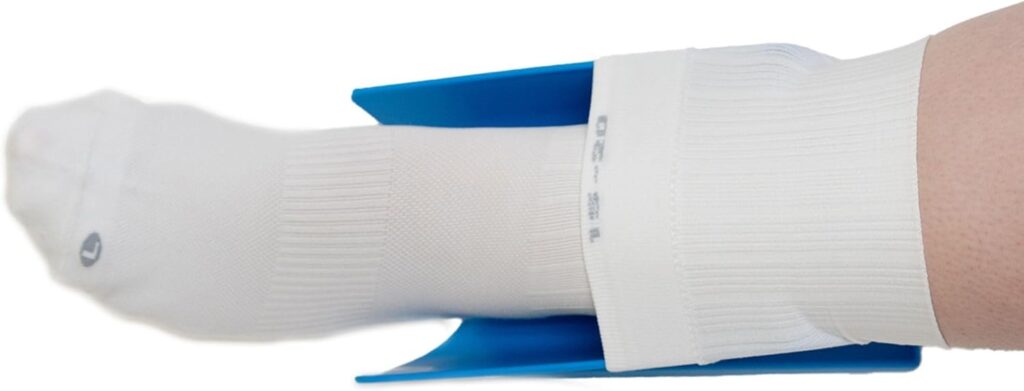
Some people do better with a sock aid that feels more solid and easier to control. That is where the OrthoSleeve model stands out. Instead of a soft sleeve style design, this option offers a two piece structure and a handle that can help with positioning and adjustments.
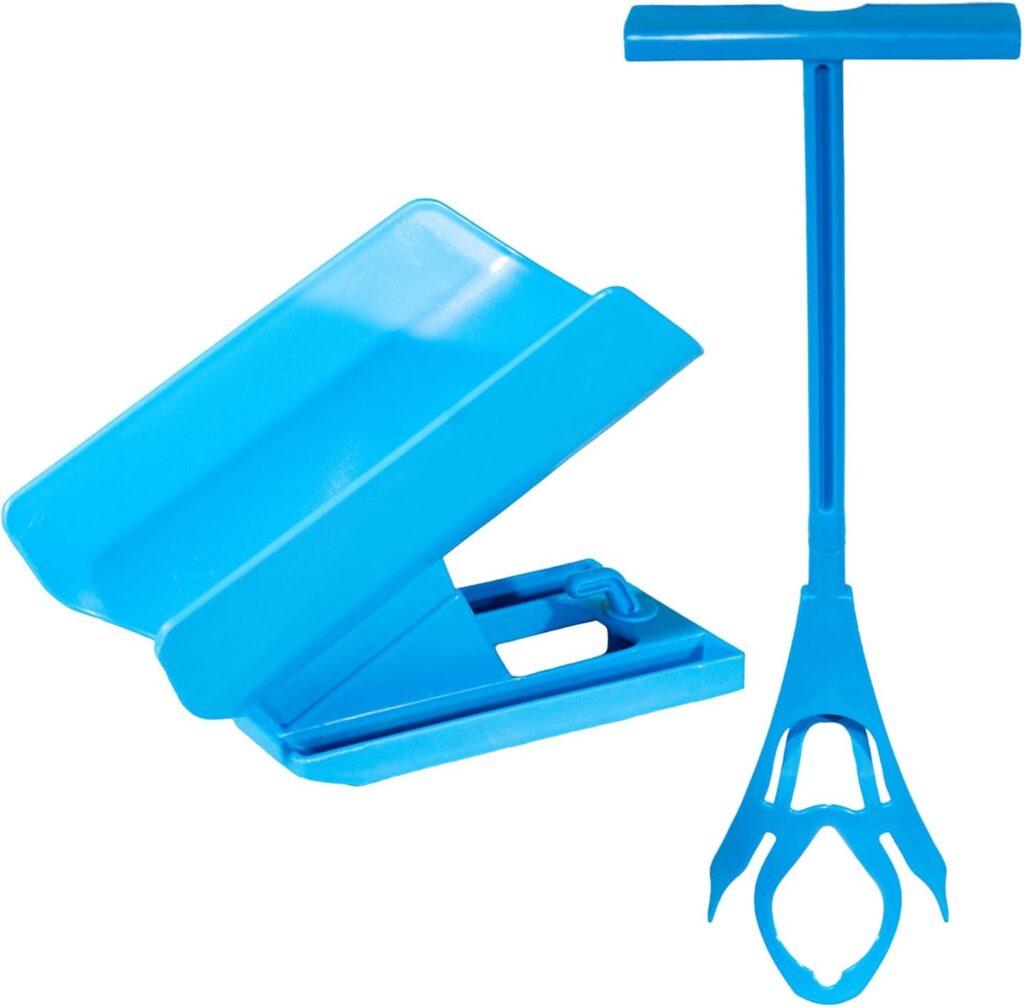
The handle can be especially useful for users who want more control during the dressing process. A stable base may feel easier to manage for seniors who struggle with soft or floppy tools. The no slip rubber grip bottom also adds to the feeling of stability, which is helpful for users with limited range of motion.
This sock aid is also more compact than it may first appear, which is a plus for storage. It even offers some added function because the handle can help hold footwear during use. The main drawback is that it requires assembly before first use, so it may not be the best choice for shoppers who want a tool that is ready right out of the box.
Key features
- Two piece design
- Handle for easier adjustments
- No slip rubber grip bottom
- Compact size
- Dual purpose handle support
Pros
- More stable than a flexible sleeve style sock aid
- Handle may improve control
- Compact and lightweight
- Useful for limited range of motion
Cons
- Requires assembly before use
- Costs more than basic flexible options
Who should buy it: This sock aid is a smart choice for users who want more structure and a handle instead of a simple soft sleeve design.
CTA: If a standard flexible sock aid feels too loose or awkward, this handled option may be easier to manage.
4. Sock Ox
Best for: Seniors who want extra reach and a travel friendly sock aid
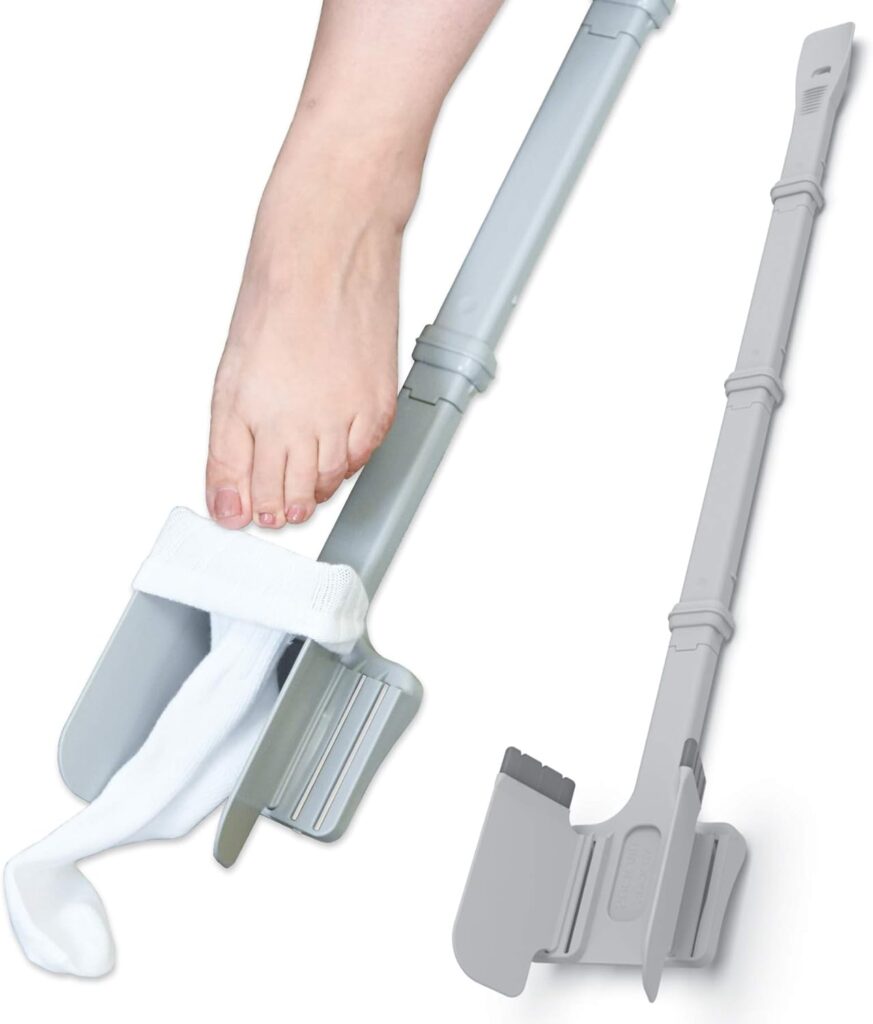
The Sock Ox is a good fit for shoppers who want a sock aid with more reach and more than one function. Its adjustable length goes up to 36 inches, which can help users who need to avoid bending as much as possible. That longer reach can be a major advantage for seniors with stiff hips, back discomfort, or recovery related movement limits.
Another reason this sock aid stands out is portability. The collapsible design makes it easier to store or pack, which is useful for travel or smaller living spaces. It also includes a built in long handle shoe horn, giving it more utility than a basic sock helper.
This model is not meant for compression socks, so it is best seen as a regular sock sock aid with extra convenience features. For users who want one tool that can cover socks and also help with shoes, it offers strong everyday value.
Key features
- 3 in 1 design
- Adjustable length up to 36 inches
- Collapsible for easier storage
- Built in long handle shoe horn
- Travel friendly design
Pros
- Long reach for users who cannot bend well
- Easy to pack or store
- Multi use design adds convenience
- Helpful for both socks and shoes
Cons
- Not suitable for compression socks
- May be more than some users need for basic daily dressing
Who should buy it: Pick this sock aid if extra reach and portability matter most. It is a strong match for seniors who want one tool that can do more than one job.
CTA: If you want a travel friendly sock aid with longer reach, the Sock Ox is one of the most useful options here.
5. Compression Sock Aid Device
Best for: People who need a sock aid for compression stockings or tighter hosiery
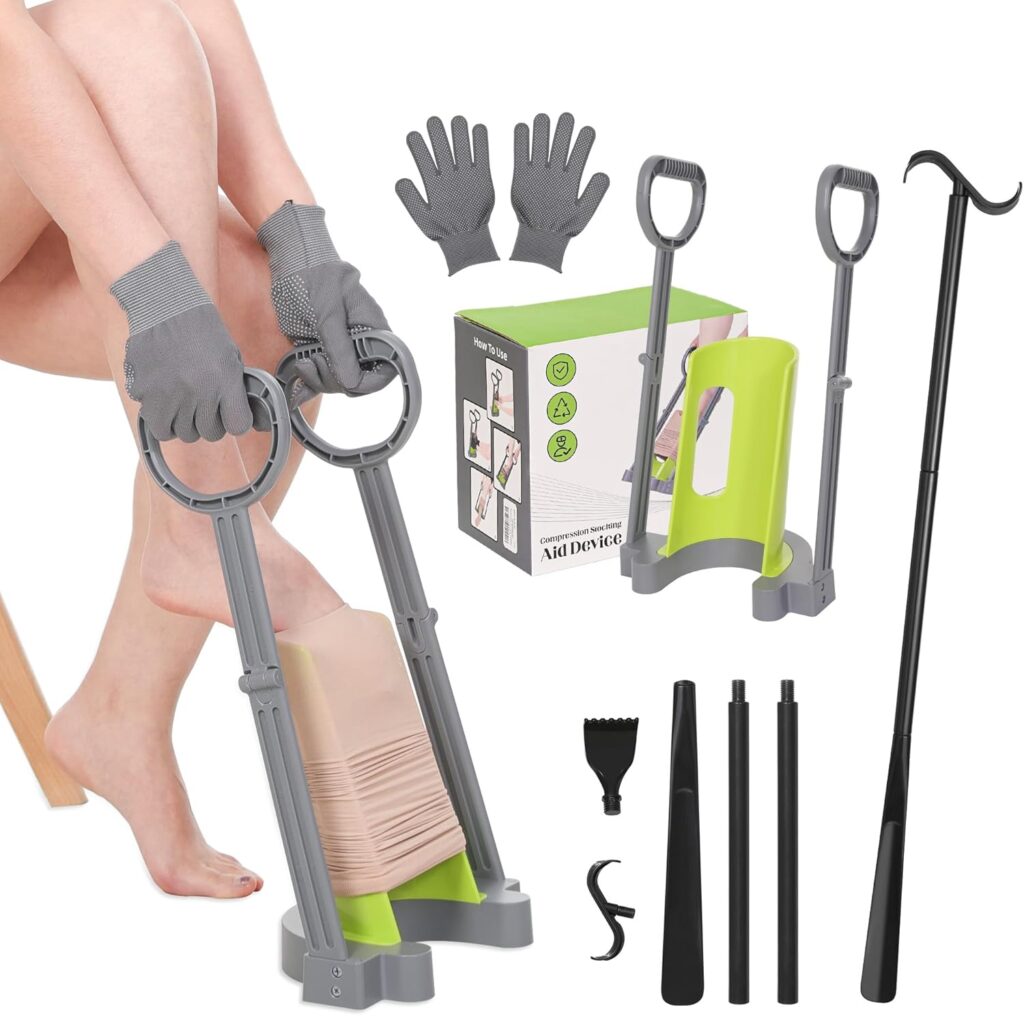
This is the most specialized sock aid in the group. While most regular models are made for standard socks, this device is designed for medium to high elasticity compression socks and hosiery. That makes it a better choice for users who have struggled with tighter socks using a regular tool.
The plastic shell is built to handle more tension, and the ergonomic grip handle can make the process feel more manageable. It also comes with a detachable dressing rod and replaceable plugs, which adds flexibility for users who need more than a basic dressing tool. Because of that design, this sock aid can support more demanding dressing needs than a standard sleeve style option.
The trade off is price. It costs more than the other models in this roundup, so it may not be the best value for someone who only wears regular socks. Still, for users who specifically need help with compression stockings, this sock aid fills a gap that simpler tools often cannot.
Key features
- Plastic shell for compression socks
- Ergonomic grip handle
- Detachable dressing rod
- Replaceable plugs
- Multi function design for dressing support
Pros
- Made for medium to high elasticity compression socks
- Better suited to tight hosiery than a regular sock aid
- Ergonomic grip can improve handling
- Useful for people who cannot bend easily
Cons
- Higher price than most other options here
- More specialized than a standard everyday sock aid
Who should buy it: This sock aid is the right choice for users who wear compression stockings and need a tool built for tighter material.
CTA: If a regular sock aid has not worked well with compression socks, this specialized option is the better place to start.
What to Look for in a Sock Aid
Choosing the right sock aid is about more than finding the lowest price. A good sock aid should match the user’s flexibility, grip strength, and the kind of socks they wear most often. For seniors with limited mobility, the right design can make daily dressing feel easier, safer, and less tiring.
Flexible vs rigid design
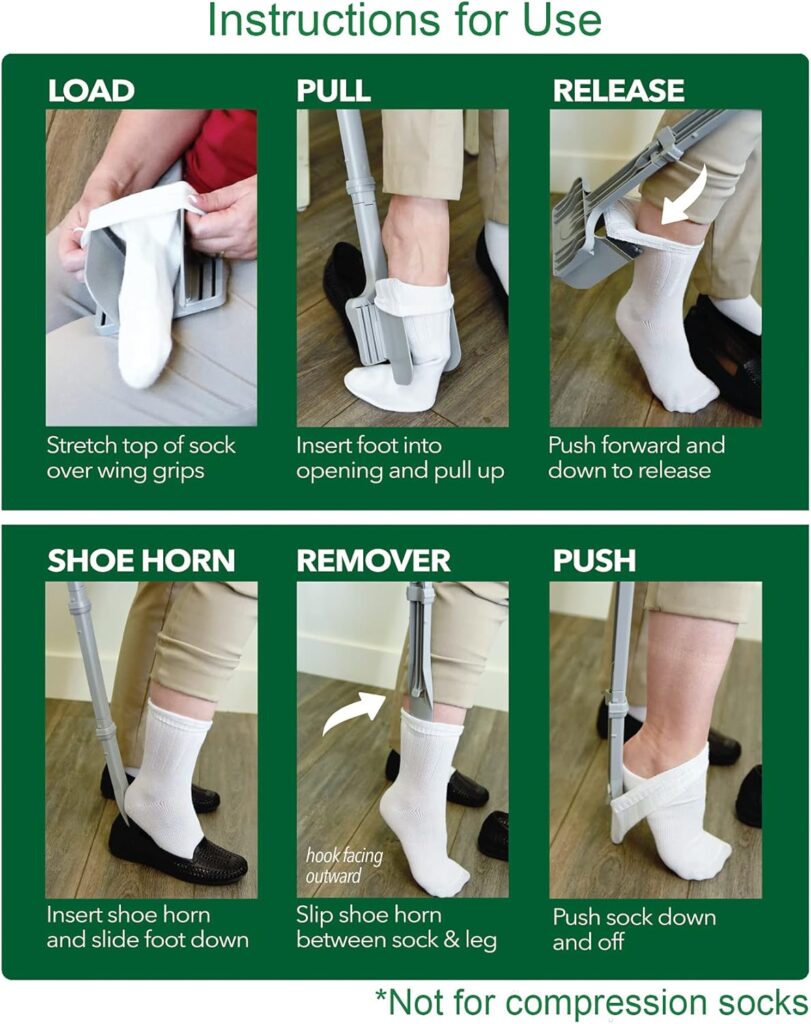
A flexible sock aid is often a good choice for regular daily use. It can bend a little, which helps it hold the sock while still feeling softer and lighter in the hands. This style can work well for seniors who want a simple dressing tool for normal socks.
A rigid design may be better for users who want more structure and control. Some people find a firmer sock aid easier to position, especially if a soft sleeve style feels too floppy or hard to manage. A more structured option can also feel steadier during use.
Strap length and reach
Reach matters more than many shoppers expect. A sock aid with longer straps or a longer handle can be much more helpful for seniors who have trouble bending at the waist or reaching their feet comfortably. This can be especially important after hip surgery or for people with back pain and stiffness.
Shorter straps may work well for some users, but they can feel limiting if the person needs extra distance. When comparing products, it helps to think about how far the user can comfortably reach without strain.
Grip comfort for weak hands
A sock aid should not be hard to hold or pull. Seniors with arthritis or weak hands may need softer handles, thicker grips, or an easier pulling motion. If the straps feel thin or uncomfortable, the device may become frustrating even if the main design looks good.
This is why grip comfort should never be treated as a small detail. The easier the sock aid feels in the hands, the more likely it is to be used every day.
Stability and ease of setup
Some seniors want a sock aid that works right away with little effort. Others may be fine with a device that needs light assembly if it offers better structure. In general, the best option is one that feels simple and predictable during daily dressing.
A tool that slips, twists, or takes too much setup can be harder to use than it should be. For many older adults, ease of use is just as important as features.
Regular socks vs compression socks
Not every sock aid works well with every type of sock. Many standard models are made for everyday socks, but tighter compression stockings often need a more specialized tool. That difference matters because a regular device may struggle with thick or high tension material.
Before buying, it is smart to check whether the sock aid is designed for normal socks, tighter hosiery, or both. This one detail can make a big difference in comfort, fit, and overall usefulness.
Comfort, Safety, and Usability Considerations
A sock aid should make dressing feel easier, not more awkward or tiring. For seniors with limited mobility, the best sock aid is one that feels comfortable in the hands, stable during use, and simple enough to use every day without frustration.
When to use a sock aid while seated
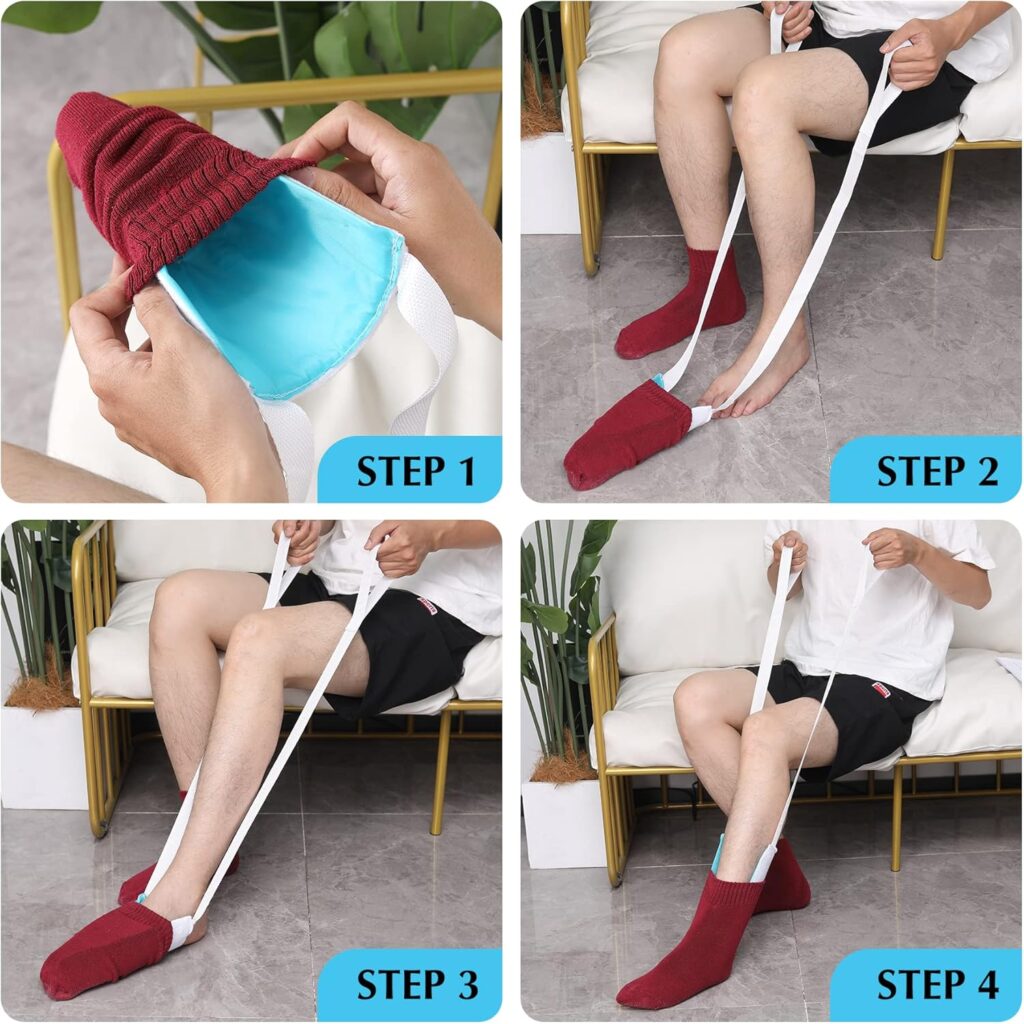
Most seniors will find a sock aid easier and safer to use while sitting down. A stable chair can provide better balance and help reduce the chance of losing footing while pulling on socks. This is especially important for people with hip pain, back stiffness, weak balance, or recovery needs after surgery.
Using a sock aid while seated can also make the process feel more controlled. The user can focus on guiding the sock into place without rushing or straining. A calm setup often makes a daily routine feel much more manageable.
Why handle grip matters for arthritis or weak hands
Some seniors need a sock aid that is easy to pull and easy to hold. Thin cords, hard handles, or slippery surfaces can make dressing harder for people with arthritis or reduced grip strength. In many cases, a softer grip or a more structured design can improve comfort during use.
This is one reason product design matters so much. A sock aid may look simple, but the feel of the straps, handles, or pulling motion can shape whether it feels helpful or frustrating.
When a sock aid may be frustrating instead of helpful
Not every sock aid works for every user. A flexible model may feel too loose for someone who wants more control, while a structured model may feel less convenient for someone who prefers a lighter tool. Setup can also be an issue if the device requires assembly or works best only with certain sock styles.
If a user struggles to load the sock, grip the straps, or guide the foot in smoothly, the tool may not be the right fit. In that case, a different type of sock aid may be a better choice.
Why compression socks sometimes need a specialized device
A regular sock aid may work well for everyday socks, but compression stockings are often much tighter and harder to stretch. That added tension can make a standard tool less effective. For seniors who wear compression socks often, a more specialized model can offer better support and a smoother dressing experience.
How to Choose the Right Sock Aid for Your Needs
The best sock aid is the one that matches the user’s daily routine, strength, and range of motion. A sock aid that works well for one person may feel awkward or tiring for someone else, so it helps to think about the exact problem you want the tool to solve.
Best for hip surgery recovery
After hip surgery, many people need a sock aid because bending forward can feel difficult or may be restricted during recovery. In this situation, a model with longer straps or an easier pull motion can be a better choice. The goal is to make dressing simpler without forcing the user to lean too far down.
A practical sock aid for hip surgery should feel easy to load, steady during use, and comfortable enough for a daily routine. For many seniors, a simple design with good reach is often the safest place to start.
Best for arthritis or weak grip
If hand strength is limited, the right sock aid should feel easy to hold and easy to pull. Thin cords or slippery parts may be harder to manage for users with arthritis, weak hands, or reduced finger control. In these cases, comfort in the grip matters just as much as the main design.
Some seniors may prefer a structured sock aid with a handle because it can feel more stable. Others may do better with a lightweight flexible model that does not feel bulky in the hands. The best choice depends on which style feels less tiring during daily use.
Best for swollen feet or tighter socks
A standard sock aid may work well for regular socks, but swollen feet or tighter sock openings can make the process harder. In these cases, it helps to look for a design that gives the sock enough support while still allowing smoother foot entry. A more stable or roomier design may be easier to work with than a very soft model.
This is also where it becomes important to check sock compatibility before buying. Not every tool works equally well with thicker or tighter material.
Best for travel
For travel, a sock aid should be easy to store, easy to carry, and simple to use in different settings. A collapsible or compact tool can be more practical for seniors who want dressing support away from home. Portability matters because a bulky option may be less likely to come along on trips.
A travel friendly sock aid should still offer enough reach and control to be useful. Compact size is helpful, but it should not come at the cost of daily comfort.
Best for compression stockings
Compression stockings are much tighter than regular socks, so a basic sock aid may not work well. If compression wear is part of the daily routine, it is usually better to choose a device made for that specific purpose. A compression focused sock aid is built to handle stronger material and can make dressing less frustrating.
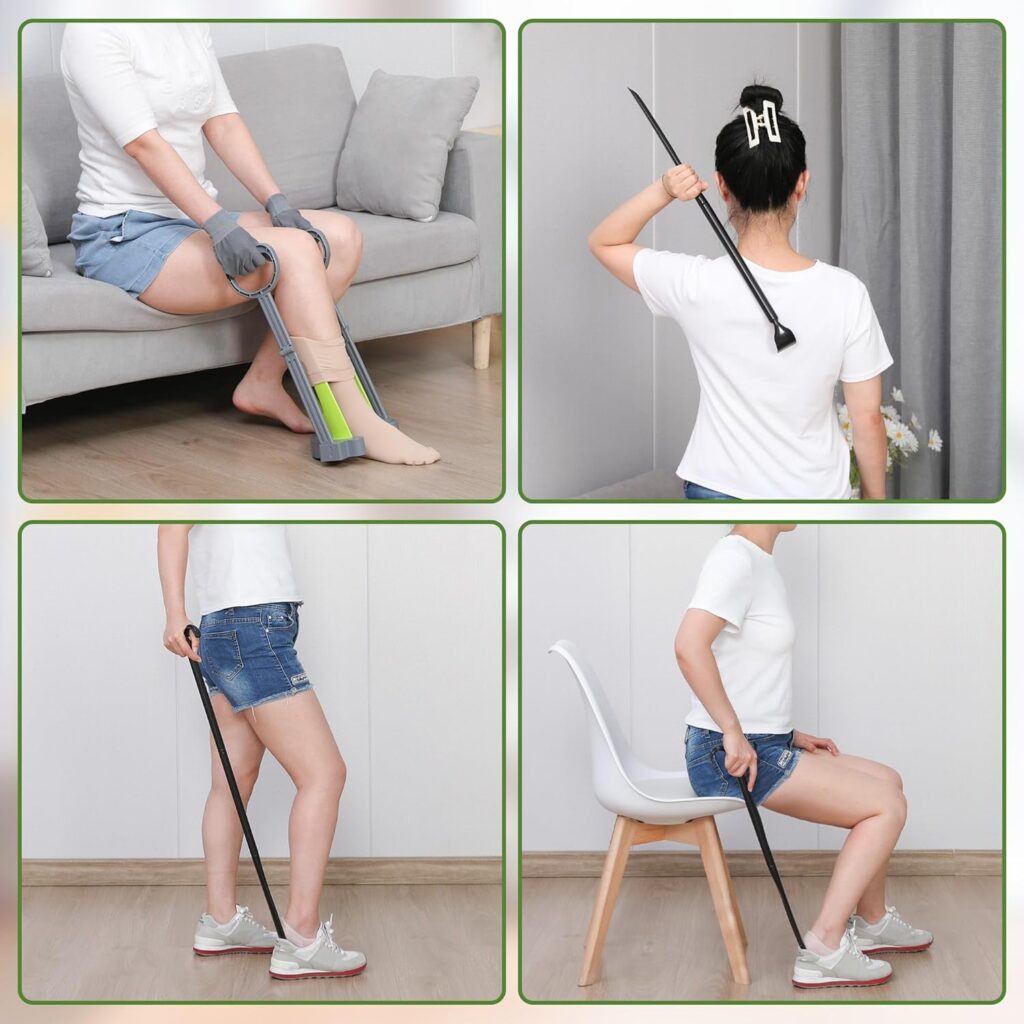
For many readers, this is the most important buying decision of all. If the user wears regular socks most of the time, a standard model may be enough. If they wear tight medical style hosiery, a compression specific tool is often the smarter choice.
FAQ
What is a sock aid and how does it work?
A sock aid is a dressing tool that helps a person put on socks without bending down as much. In most cases, the sock is placed over the sock aid, then the foot slides into the opening while the user pulls on straps or a handle. A sock aid can be helpful for seniors with limited mobility, reduced flexibility, or daily discomfort during dressing.
What is the best sock aid for seniors with limited mobility?
The best sock aid depends on the user’s exact needs. For regular everyday socks, a light and flexible sock aid is often the easiest choice. For users who want more control, a handled sock aid may feel steadier. For compression stockings, a compression specific sock aid is usually the better option.
Are sock aids good for people with arthritis?
A sock aid can be a practical option for people with arthritis, especially if bending down and handling socks has become tiring. The best sock aid for arthritis is usually one that feels easy to grip and does not require too much hand strength. A simple design can often make the daily routine feel less frustrating.
Can a regular sock aid work with compression socks?
A regular sock aid may work for some lighter socks, but it often struggles with tight compression stockings. Compression material usually needs a more specialized sock aid that is built for stronger tension and a firmer dressing process. If compression socks are part of the daily routine, a compression focused sock aid is usually the safer choice.
Final Recommendation
The best sock aid for most seniors with limited mobility is the CAidRE Sock Aid Device because it is light, simple, and well suited for regular everyday socks. If you want a more complete dressing setup, the Sock Aid Kit is a smart pick since it includes both a pull-on tool and a remover. If a standard sock aid feels too soft or hard to control, the OrthoSleeve Sock Aid Device with Handle may be a better fit. For compression stockings, the Compression Sock Aid Device is the strongest choice in this group.
In the end, the right sock aid depends on the user’s flexibility, grip strength, and sock type. A well matched sock aid can make daily dressing easier, more comfortable, and less frustrating for both seniors and caregivers.