Best Sources of Protein for Older Adults: Complete Science-Backed Guide + Daily Intake Chart


Many adults notice strength and energy drop after age 60. A big reason is muscle loss, also called sarcopenia. Protein helps slow this process because it supports muscle protein synthesis, recovery, and daily function. In this guide on The Best Sources of Protein for Older Adults, you will learn what to eat, how much to aim for, and how to make protein easier to get at every meal. I will also share a simple daily intake chart idea and practical meal options that fit real life, including days when appetite is low.
Getting enough protein matters for balance, mobility, and staying independent. It can also support bone strength and immune health. For many people, the main challenge is not knowing where to start. That is why The Best Sources of Protein for Older Adults focuses on clear food choices and simple steps you can use right away. You will see both animal and plant options, plus softer foods that are easier to chew. By the end, The Best Sources of Protein for Older Adults will feel simple, not stressful.
Here is what you will get:
- How much protein seniors need
- Best animal and plant sources
- Easy to chew options
- A sample one day meal plan
Table of Contents
Why Protein Is Critical After Age 60
After age 60, your body changes how it builds and keeps muscle. Many adults lose muscle mass over time, and this process is called sarcopenia. Research has found that muscle mass can drop by about 3% to 8% per decade after age 30, and the drop can be faster after age 60. In a practical sense, that can mean less strength for stairs, carrying groceries, and getting up from a chair. The Best Sources of Protein for Older Adults matters because protein is one of the few nutrition tools that directly supports muscle maintenance.
A key reason protein becomes more important is anabolic resistance. This means older muscle often needs a stronger signal from protein and amino acids to trigger muscle protein synthesis. Protein that is rich in essential amino acids, including leucine, helps send that signal. You do not need to memorize science terms, but knowing the idea helps you make better food choices. The Best Sources of Protein for Older Adults focuses on foods that deliver high quality protein in portions that feel realistic.
For more guidance on building balanced meals and meeting daily nutrition needs, see Healthy Eating for Seniors: Complete Guide to Best Foods, Key Nutrients + 7-Day Plan, Best Diet for Seniors Over 70: Powerful Healthy Aging, and The Complete Diabetic Meal Plan for Seniors (7-Day Plan).
Protein also supports more than muscle:
- Bone strength: Muscle and bone work together, so keeping muscle can help reduce falls and protect mobility.
- Immune function: Protein helps your body make immune cells and other protective proteins.
- Recovery: Illness, surgery, and even a tough day of activity can raise protein needs for repair.
- Metabolism and daily function: More muscle supports basic movement and keeps daily tasks easier.
US nutrition guidance encourages nutrient dense foods and patterns that support healthy aging, and older adults are a group with special nutrition considerations. Many older adults also eat less because of lower appetite, dental issues, or changes in taste. That makes smart choices even more important. The Best Sources of Protein for Older Adults is not about eating huge portions. It is about choosing foods that give more protein per bite.
One more simple point: protein works best when it is consistent. If most protein shows up only at dinner, the body may miss chances to support muscle earlier in the day. Later in this guide, The Best Sources of Protein for Older Adults will show how to spread protein across meals in a way that feels easy.
Keep this goal in mind as you read the next sections: The Best Sources of Protein for Older Adults should help you maintain strength, protect independence, and feel more steady in daily life.
How Much Protein Do Older Adults Really Need?
Most people start with the RDA for protein, which is 0.8 grams per kilogram of body weight per day. This number is a basic minimum for most adults. It is not a target that fits every older adult.
Many experts suggest that older adults often do better with about 1.0 to 1.2 grams per kilogram per day, especially if the goal is to help maintain muscle and function. Some guidance also suggests 1.2 to 1.5 grams per kilogram for people who exercise often or who are dealing with illness or recovery.
A simple way to think about it is this: as you age, your muscles may need a stronger protein signal to respond well. That is one reason higher daily protein can help, along with strength training and regular movement.
Protein needs by age group
These ranges are common in expert guidance for adults over 60. Your best number depends on health, activity, and appetite.
- Ages 60 to 69: about 1.0 to 1.2 g per kg per day
- Ages 70 to 79: about 1.0 to 1.2 g per kg per day, with a closer look at strength and appetite
- Ages 80 and up: often 1.0 to 1.2 g per kg per day, and sometimes higher if weight loss, frailty, or recovery is a concern
If you have kidney disease or another medical condition, you should ask a clinician for a personal target before raising protein a lot. Some people may need limits based on lab results and treatment plans.
Simple protein calculator formula
A quick, practical formula many people use is:
Body weight in kilograms × 1.2 = grams of protein per day
Example:
If you weigh 70 kg, then 70 × 1.2 = 84 grams of protein per day.
Mini table for fast math:
| Body weight (kg) | 1.0 g/kg | 1.2 g/kg |
|---|---|---|
| 60 | 60 g | 72 g |
| 70 | 70 g | 84 g |
| 80 | 80 g | 96 g |
Later, The Best Sources of Protein for Older Adults will make these numbers easier by showing foods, servings, and meal ideas that help you reach your daily goal without huge portions.
Best Animal Based Protein Sources for Older Adults
Animal proteins are often easy for the body to use because they contain all essential amino acids. Many are also rich in leucine, which helps trigger muscle protein synthesis. The Best Sources of Protein for Older Adults often includes animal foods because they pack a lot of protein into a small serving, which helps when appetite is low.
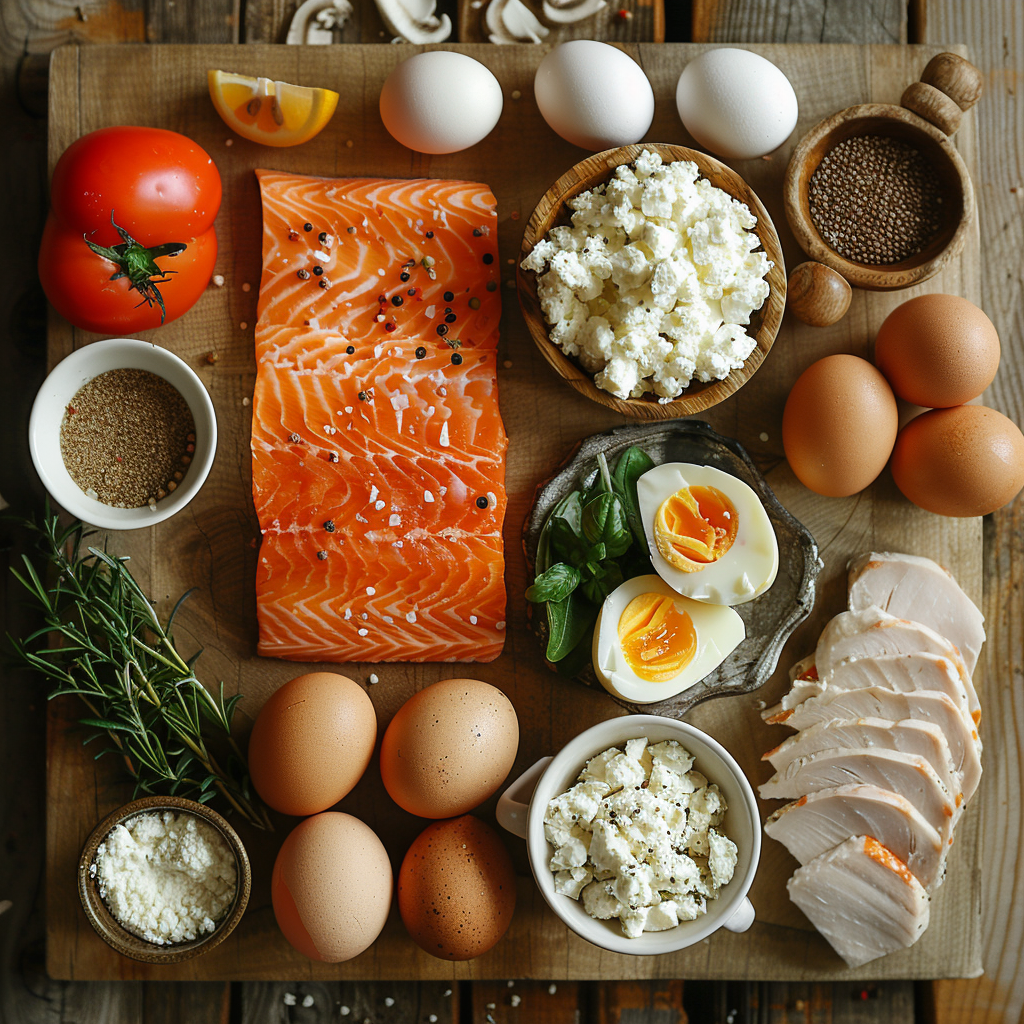
Quick comparison table
| Food (typical serving) | Protein per serving | Why it is great for seniors |
|---|---|---|
| 1 large egg | 6.3 g | Small, affordable, easy to cook and chew |
| Greek yogurt, plain nonfat, 1 cup | about 18 g | Soft texture, simple snack, easy to add fruit |
| Cottage cheese, 1/2 cup | 14 g | Soft, high protein per bite |
| Salmon, cooked 3 oz | about 20 to 23 g | Protein plus omega 3 fats |
| Chicken breast, cooked 3 oz | about 26 g | Very high protein, low fat option |
| Turkey breast, cooked 3 oz | 25.1 g | Lean and easy to use in meals |
| Lean ground beef patty, cooked 3 oz | 22.19 g | High protein plus iron and zinc |
How to use these foods day to day
To make The Best Sources of Protein for Older Adults practical, aim for one strong protein choice at each meal:
- Breakfast: eggs, Greek yogurt, or cottage cheese
- Lunch: chicken or turkey in a sandwich, salad, or soup
- Dinner: salmon, lean beef, or pork with vegetables
If chewing is hard, pick softer options first, like yogurt, cottage cheese, and scrambled eggs. The Best Sources of Protein for Older Adults will also cover soft foods in a later section, plus snack ideas that boost protein without big portions.
Best Plant Based Protein Sources for Seniors
Plant proteins can be a smart way to add variety, fiber, and key nutrients. Many people also find them easier on the budget. The Best Sources of Protein for Older Adults includes plant options because they can support muscle and health when you choose the right foods and servings.

Quick comparison table
| Food (typical serving) | Protein per serving | Why it is helpful for seniors |
|---|---|---|
| Lentils, cooked, 1 cup | 17.9 g | High protein plus fiber and minerals. |
| Chickpeas, cooked, 1 cup | 14.5 g | Works in soups, salads, and spreads like hummus. |
| Firm tofu, 1/2 cup | about 10 g | Soft texture and soy is a complete protein. |
| Tempeh, 1 cup | about 30 g | Very high protein and easy to add to bowls and stir fries. |
| Quinoa, cooked, 1 cup | about 8 g | One of the better plant options for essential amino acids. |
| Nuts and seeds, 2 tablespoons | varies | Adds protein plus healthy fats. Watch portions if calories matter. |
To make these foods easier to use, start simple. Add lentils to soup, use chickpeas in salads, and blend tofu into a smoothie for a softer option. The Best Sources of Protein for Older Adults works best when the food fits your routine.
Are plant proteins enough for older adults?
Yes, they can be. The main difference is that many plant foods have lower levels of one or more essential amino acids, and some have lower digestibility than animal proteins. A practical fix is variety. Eat different plant proteins across the day so your overall amino acid mix stays strong.
Here are easy pairings:
- Beans or lentils plus rice or whole grains
- Chickpeas plus whole wheat pita
- Peanut butter plus whole grain toast
Soy foods like tofu and tempeh are especially useful because they are complete proteins, which can make planning easier.
If you want a simple rule, use this: build each meal around one main protein, then add a second plant protein if the meal is small. The Best Sources of Protein for Older Adults will keep leaning on these simple combos so you can hit your daily grams without stress. The Best Sources of Protein for Older Adults also stays flexible, since some days you may want more plant foods and other days you may prefer a mix.
Easy to Chew and Soft High Protein Foods for Seniors
Chewing problems, dry mouth, and dental pain can make protein feel hard to eat. The good news is that you can still hit your daily goal with softer foods and simple prep. The Best Sources of Protein for Older Adults is not only about steak and chicken breast. It is also about foods that go down easily and still support strength.
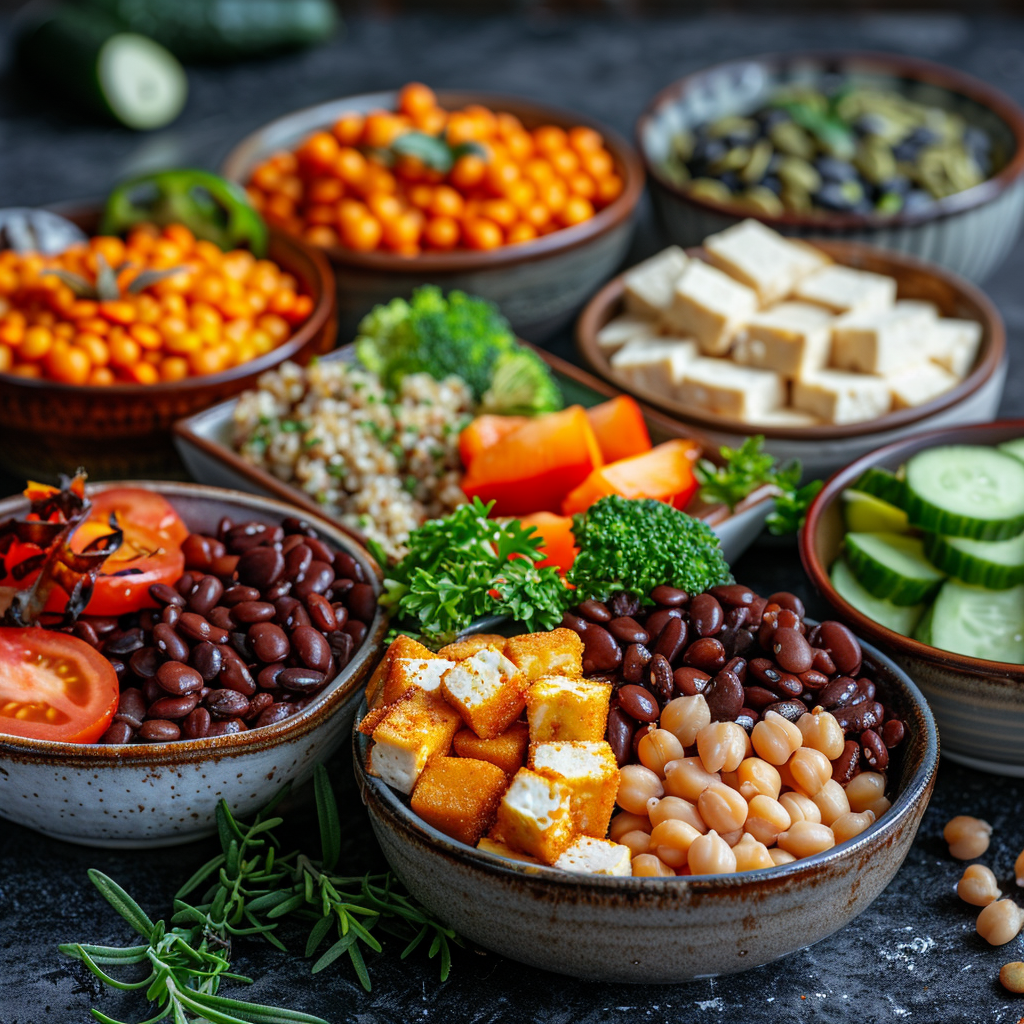
Here are soft, high protein choices that fit many seniors:
- Scrambled eggs or egg muffins
Cook eggs low and slow so they stay soft. Add a little cheese if you want more protein per bite. - Greek yogurt and skyr
These are smooth and easy to swallow. Mix in mashed berries or soft banana. - Cottage cheese
If curds feel hard to chew, blend it for a smoother texture. You can also stir it into mashed potatoes. - Soft fish
Try baked salmon or canned tuna mixed with yogurt instead of mayo for a softer salad. - Ground poultry or ground lean meat
Cook it in sauce so it stays tender. Think turkey chili or meat sauce over pasta. - Tofu and tempeh
Silken tofu blends well into smoothies. Soft tofu works in soups. - Mashed beans and lentil soup
Blend part of the soup to make it easier to eat while keeping a thick, filling texture. - Protein smoothies
Use milk or soy milk, yogurt, and fruit. This can be a simple way to eat more when appetite is low.
A simple tip from The Best Sources of Protein for Older Adults is to aim for protein at breakfast, not only at dinner. Soft breakfast options like eggs, yogurt, and smoothies can make the rest of the day easier.
If swallowing feels difficult often, or if you cough during meals, talk with a clinician. Safety matters. The Best Sources of Protein for Older Adults works best when the food is both high in protein and comfortable for you to eat.
High Protein Snacks for Older Adults
Snacks can help you reach your daily protein goal, especially when meals feel small. A good snack gives protein without a lot of work. The Best Sources of Protein for Older Adults includes snacks because they can fill gaps between meals and support steady muscle repair through the day.
Here are quick, high protein snack ideas that many older adults can manage:
- Hard boiled eggs
Keep two in the fridge for an easy grab and eat option. - Cheese sticks or sliced cheese
Pair with soft fruit like pears or peaches. - Greek yogurt cup
Add a spoon of nut butter or a few crushed nuts if chewing is easy. - Cottage cheese
Mix with cinnamon, mashed banana, or soft berries. - Tuna or salmon salad
Use canned fish and mix with yogurt for a soft texture. Eat with crackers or soft bread. - Hummus with soft pita
Hummus adds protein from chickpeas and it is easy to chew. - Protein smoothie
Blend milk or soy milk with yogurt and fruit for a snack that drinks easily.
A simple rule from The Best Sources of Protein for Older Adults is to plan one protein snack per day. If appetite is low, use softer snacks first. The Best Sources of Protein for Older Adults works best when protein shows up in small, steady steps, not one big meal.
Sample 1 Day High Protein Meal Plan for Seniors
This sample day shows how you can spread protein across meals so it feels doable. The Best Sources of Protein for Older Adults works best when you aim for steady protein at breakfast, lunch, dinner, and one or two snacks. Portions can be adjusted based on appetite, body size, and activity level.
Breakfast, about 25 g
- 1 cup plain Greek yogurt, about 18 g
- 1 tablespoon peanut butter stirred in, about 4 g
- 1 tablespoon chia seeds or ground flax, about 2 g
- Soft fruit on top, like banana slices
Tip: If chewing is hard, use smooth peanut butter and mashed fruit. The Best Sources of Protein for Older Adults includes soft options like this because they are easy to eat.
Lunch, about 30 g
- Turkey sandwich with 3 oz sliced turkey, about 25 g
- Add a slice of cheese, about 6 g
- Tomato or cucumber on the side
Tip: If bread is hard to chew, turn it into a soft wrap, or chop the turkey and mix with yogurt to make a soft salad. The Best Sources of Protein for Older Adults is about comfort, not perfect meals.
Dinner, about 35 g
- 4 oz baked salmon, about 25 g
- 1 cup cooked lentils as a side or in soup, about 18 g
- Cooked vegetables for easy chewing
Snacks, about 15 g
Choose one:
- Cottage cheese, 1/2 cup, about 14 g
- Or a simple smoothie with milk and yogurt, about 15 to 25 g
Total for the day: about 105 g
Use this as a model, then adjust. The Best Sources of Protein for Older Adults will also help you pick easier foods and smarter timing if you struggle to meet your daily target.
When Should Older Adults Eat Protein?
Protein timing matters because older muscle often responds better to steady protein across the day than to one big serving at night. The Best Sources of Protein for Older Adults works best when you spread protein between breakfast, lunch, dinner, and one snack if needed.
A simple goal is 25 to 30 grams of protein per meal for many older adults. Some people need less and some need more, but this range is a useful starting point. The Best Sources of Protein for Older Adults is easier to follow when you build each meal around one main protein food, then add a second small protein if the meal is light.
Try this meal pattern:
- Breakfast: 25 to 30 g
Example: Greek yogurt plus a spoon of nut butter, or eggs plus cheese. - Lunch: 25 to 30 g
Example: turkey, tuna, chicken, tofu, or beans in a bowl or sandwich. - Dinner: 25 to 35 g
Example: fish, lean meat, or a lentil and quinoa meal. - Snack: 10 to 20 g if your daily total is short
Example: cottage cheese, yogurt, or a smoothie.
This approach helps with muscle support because each meal gives your body a clear signal to rebuild and maintain tissue. It also helps if appetite is low, since you do not have to force a huge dinner to catch up.
If you want one takeaway, it is this: The Best Sources of Protein for Older Adults becomes more effective when protein shows up early in the day, not only at night. The Best Sources of Protein for Older Adults should feel steady and realistic, not strict.
Are Protein Supplements Safe for Seniors?
Protein powders and ready to drink shakes can help when appetite is low or cooking feels hard. They are not required for most people, but they can be useful in specific cases. The Best Sources of Protein for Older Adults still starts with food first, because whole foods bring vitamins, minerals, and satisfaction. Supplements are a backup tool, not the main plan.
Whey protein is popular because it is high in essential amino acids and is easy to mix into smoothies or oatmeal. Some reviews suggest whey can be helpful for older adults who do not have kidney disease.
Plant protein powders can also work, especially soy, pea, or blends that improve amino acid balance. The Best Sources of Protein for Older Adults can include these if they make it easier to hit your daily grams.
Be careful if you have chronic kidney disease or a history of kidney stones. You may need a different protein target, and some products contain added minerals that can be an issue. Ask your doctor or a dietitian before using supplements often.
If you use a powder, choose one with a short ingredient list, and use it to fill gaps, not to replace meals. The Best Sources of Protein for Older Adults should stay simple and safe.
Common Mistakes Seniors Make With Protein
Many people try to “eat more protein” but still miss the mark because of a few common habits. The Best Sources of Protein for Older Adults can only help if protein shows up in the right way across your day.
Here are the most common mistakes, plus simple fixes.
- Saving most protein for dinner
If breakfast is just toast or cereal, you lose an easy chance to support muscle earlier. Add eggs, Greek yogurt, or a smoothie. - Skipping protein at breakfast
Morning protein can make it easier to reach your daily total. The Best Sources of Protein for Older Adults supports steady intake, not a late catch up. - Choosing low protein “light” meals
Salads and soups can be great, but they need a clear protein. Add chicken, tuna, tofu, beans, or lentils. - Not planning snacks
A protein snack can fix a low appetite day. Think cottage cheese, yogurt, cheese, or hummus. - Relying on one food over and over
Variety helps you get different nutrients. Mix animal and plant options when you can. - Ignoring comfort and chewing
If food is hard to chew, you will avoid it. Use soft options like scrambled eggs, yogurt, and blended bean soups.
Keep it simple. The Best Sources of Protein for Older Adults works best when each meal has one main protein food you can actually enjoy.
Protein intake also connects closely with strength, energy, and healthy aging, so it fits naturally to include Strength Training for Seniors: The Complete Safe Beginner Plan (With 8-Week Program + Modifications), Senior Strength Workout: The Complete Full-Body Routine + 4-Week Plan (Beginner-Friendly), and Staying Active After Retirement: Brilliant Ways to Stay Happy and Strong.
Frequently Asked Questions
How much protein does a 70 year old need daily?
Many adults around 70 do well with about 1.0 to 1.2 grams per kilogram per day. Some active people may need more. The Best Sources of Protein for Older Adults can help you reach that goal with normal foods, not huge portions.
What is the best protein for seniors over 65?
There is no single best choice. Most people do well with a mix of eggs, yogurt, fish, chicken, beans, and tofu. The Best Sources of Protein for Older Adults works best when you pick options you can eat often.
Can older adults eat too much protein?
Some people can, especially if they have kidney disease or other medical issues. If you have kidney problems, ask a clinician about your target. The Best Sources of Protein for Older Adults supports a safe range for most healthy adults, but health history matters.
What are good high protein options for seniors with low appetite?
Choose foods that are small but strong in protein, like Greek yogurt, cottage cheese, eggs, soft fish, smoothies, and tofu. The Best Sources of Protein for Older Adults also recommends adding protein to foods you already eat, like oats or soups.
What are the easiest high protein foods for chewing problems?
Soft options include scrambled eggs, yogurt, cottage cheese, smoothies, soft tofu, and blended bean soups. If chewing is hard, comfort matters as much as protein grams. The Best Sources of Protein for Older Adults includes soft foods because they are often the difference between meeting your goal and falling short.
Free Printable Daily Protein Chart
This chart gives you quick numbers you can print and keep on the fridge. The Best Sources of Protein for Older Adults is easier to follow when you can see your goal at a glance. Use the protein target that matches your body weight and activity level, then build meals around simple foods.
Step 1: Pick a daily protein target
| Body weight | 1.0 g per kg per day | 1.2 g per kg per day |
|---|---|---|
| 60 kg | 60 g | 72 g |
| 70 kg | 70 g | 84 g |
| 80 kg | 80 g | 96 g |
Tip: If you are active, recovering, or trying to keep strength, many people aim closer to 1.2 g per kg.
Step 2: Use this quick food chart
| Food | Simple serving | Protein |
|---|---|---|
| Greek yogurt | 1 cup | about 18 g |
| Eggs | 2 large | about 12 g |
| Chicken breast | 3 oz cooked | about 26 g |
| Salmon | 3 oz cooked | about 20 to 23 g |
| Lentils | 1 cup cooked | about 18 g |
| Tofu | 1/2 cup | about 10 g |
| Cottage cheese | 1/2 cup | about 14 g |
Conclusion
Protein is one of the most practical tools for staying strong after 60. It supports muscle, balance, recovery, and day to day independence. The goal is not perfect eating. The goal is steady protein that fits your appetite and your routine. The Best Sources of Protein for Older Adults shows you how to reach your target with simple foods like eggs, yogurt, fish, poultry, beans, and tofu. It also makes room for soft options when chewing is hard.
Use the calculator to set a daily goal, then spread protein across meals so your body gets regular support. Add one high protein snack on low appetite days. The Best Sources of Protein for Older Adults works best when you keep it simple and consistent. Start with one small change today, and let The Best Sources of Protein for Older Adults guide the next step.
For broader support with nutrition, long-term wellness, and staying strong over time, you can also include Ultimate Guide to Managing Diabetes After 60: Smart, Life-Changing Tips for Seniors, Powerful Habits for a Longer Life After 60: Proven Tips That Truly Work, How to Age Gracefully: Proven Strategies for a Vibrant, Stress-Free Life, Powerful Self Care Routines for Seniors That Truly Work (Feel Better Daily), and Chair Exercises for Seniors: 25 Safe Moves + 4-Week Plan (Beginner-Friendly, At-Home).