How to Help Older Adults With Holiday Blues: Caregiver Steps, Scripts + 7-Day Plan


Holiday blues in older adults are common and usually temporary. You may notice more sadness, lower energy, or less interest in calls and routines during or after the holidays.
In this guide, you will learn how to help older adults with holiday blues with a quick checklist, clear caregiver scripts, and a simple 7 day plan you can start today. You will also learn how to help older adults with holiday blues in a way that fits real life, even when time, distance, or health limits make things harder.
If symptoms last more than 2 weeks or you notice red flags, jump to the “When to Get Professional Help” section below.
Table of Contents
Quick Help Checklist Read This First
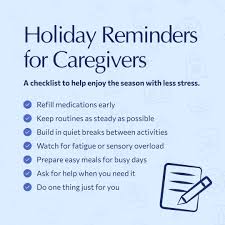
Use this first step list when you want how to help older adults with holiday blues in a calm, fast way. These actions take about 15 minutes and they help you start how to help older adults with holiday blues today.
- Call or visit and start with two simple questions
1 What has felt hardest this week
2 What would feel a little easier today - Plan one small activity for today
Pick a short walk, a photo look through, a simple card game, or tea together. - Confirm meals and sleep for tonight
Ask what they ate today, what is easy to eat later, and what time they want to aim for bed. - Reduce overwhelm with one change
Lower noise, shorten the visit, turn on a soft light, or clear one small space like the kitchen table. - Schedule the next check in before you hang up
Set a day and time for the next call or visit so they do not feel dropped.
Red flags Get help now
If you are unsure how to help older adults with holiday blues and you see any of these signs, reach out for professional support right away. This is also part of how to help older adults with holiday blues safely.
- Symptoms last longer than 2 weeks and do not ease
- They stop basic routines like eating, sleeping, or taking meds
- They isolate strongly and refuse all contact
- Confusion gets worse fast or agitation spikes
- They talk like life feels pointless or they cannot cope
If any red flag shows up, contact their primary care clinician, a local mental health service, or urgent help in your area.
What Are Holiday Blues in Older Adults
Holiday blues are a short term dip in mood that can show up during the holiday season or right after it. A person may feel sad, lonely, tense, or less interested in normal activities. Knowing what this is helps you choose how to help older adults with holiday blues without jumping to worst case fears.
Holiday blues often link to triggers like grief, changes in routine, money stress, or feeling left out. They usually improve with support, rest, and small daily structure. This is why how to help older adults with holiday blues often starts with simple connection plus a steady plan.
This section can link naturally to 15 Key Signs of Depression in Older Adults and How to Help Them Heal, Powerful Self Care Routines for Seniors That Truly Work, and Ultimate Relief: How to Deal With Insomnia After 60 and Sleep Deeply Again because holiday blues in older adults are often closely tied to mood changes, disrupted routines, and sleep struggles that need gentle, practical support.
Holiday blues vs depression vs seasonal affective disorder SAD
Use this quick table to guide how to help older adults with holiday blues and to know when to seek extra support.
| Topic | Holiday blues | Depression | SAD |
|---|---|---|---|
| Typical duration | Days to about 2 weeks | More than 2 weeks | Often returns in the same season for weeks or months |
| Severity | Mild to moderate | Moderate to severe | Mild to severe |
| Daily functioning | Mostly intact | Often drops a lot | Can drop, often tied to winter pattern |
| Key signs | Low mood, stress, loneliness | Ongoing low mood plus loss of interest most days | Low mood plus low energy with seasonal pattern |
| What to do | Support, routine, small activities | Contact clinician, therapy options | Clinician guidance, light and routine supports |
If you are unsure how to help older adults with holiday blues, use the duration and daily functioning rows first. They are the fastest clues.

How long holiday blues usually last
For many older adults, holiday blues last a few days up to about 2 weeks. If the mood stays the same or worsens after 2 weeks, or daily life starts to break down, treat it as a signal to get professional input. This timing rule is a key part of how to help older adults with holiday blues safely.
Why it can hit older adults differently
Older adults often face more loss, more time alone, and more limits from health or mobility. Holidays can also change sleep, meals, and medication routines. Even a busy visit schedule can cause fatigue and stress. When you understand these pressures, you can choose how to help older adults with holiday blues in a way that feels gentle, realistic, and respectful.
Why Holidays Can Feel Harder for Older Adults
Holidays can bring extra pressure, even when plans look happy from the outside. When you understand the triggers, you can choose how to help older adults with holiday blues with less guessing and more care.
Common triggers
These triggers show up often in older adults during the season:
- Loneliness and social isolation, especially after busy days end
- Grief and loss, including missing a spouse, friend, or past traditions
- Routine changes, like travel, late nights, or skipped meals
- Money stress from gifts, travel, or winter bills
- Family conflict or strained relationships that resurface during visits
Knowing these patterns helps you decide how to help older adults with holiday blues with simple steps like connection, routine, and fewer stressors.
Hidden triggers caregivers miss
Some triggers are easy to overlook because they look like “just being tired”:
- Loss of independence, like needing help with rides or shopping
- Mobility limits that make outings feel hard or embarrassing
- Sensory overload from noise, crowds, and fast conversations
- Chronic pain or fatigue that flares with extra activity
- Hearing or vision challenges that make group time stressful
- Cognitive load, such as tracking plans, names, and schedules
- Medication changes or missed doses during travel or visits
- Anniversary reactions, like the first holiday after a major change
Spotting these early is a practical part of how to help older adults with holiday blues.
Post holiday drop when visitors leave
After gatherings end, some older adults feel an emotional crash. The house gets quiet, support slows down, and the next week feels empty. To prevent this, set the next call or visit before people leave, plan one small activity for the next day, and keep meals and sleep steady. This kind of follow through is often the difference in how to help older adults with holiday blues after the holiday rush.
Risk Factors That Make Holiday Blues More Likely
Some older adults are more likely to struggle during and after the holidays. When you spot these risks early, you can plan how to help older adults with holiday blues in a steadier and more personal way.
Living alone or being homebound
Living alone can make quiet days feel longer. Being homebound can add boredom and limit social contact. If this fits your loved one, how to help older adults with holiday blues often starts with short, regular check ins and one simple weekly plan.
Recent loss or major life change
A death, divorce, move, or health setback can make holidays feel sharp and heavy. The first holiday after a loss is a common turning point. One clear step in how to help older adults with holiday blues is to name the loss gently and offer one memory based activity.
Chronic conditions, sleep problems, medication changes
Pain, breathing problems, diabetes, heart issues, and low energy can drain mood. Sleep changes can also hit hard in winter. Missed or changed meds during busy holiday days can add confusion or fatigue. This is why how to help older adults with holiday blues includes checking sleep, meals, and meds without judgment.
Caregiver stress and family dynamics
Caregiver burnout can raise tension in the home. Family conflict can also make visits feel unsafe or exhausting. Set clear roles, keep visits short when needed, and protect calm routines.
Dementia or mild cognitive impairment MCI considerations
Holidays can break routine and raise confusion. Noise, new faces, and fast plans can lead to agitation or shutdown. Keep the schedule predictable, use familiar traditions, and limit crowd size. These steps support how to help older adults with holiday blues when memory and routine are fragile.
Signs and Symptoms to Watch For
These signs can show up in different ways. When you notice a pattern, it becomes easier to decide how to help older adults with holiday blues with the right next step. Use this list to track changes and to guide how to help older adults with holiday blues with calm, steady support.
Emotional signs
- Sadness or tearfulness
- Anxiety or constant worry
- Irritability or a shorter temper
- Guilt about being “no fun”
- Feeling hopeless or stuck
Behavior and social signs
- Withdrawing from calls, texts, or visits
- Less interest in hobbies or faith activities
- Refusing invitations or staying in bed more
- Talking less, answering with one word, or seeming “checked out”
Physical and routine signs
- Sleep changes, either too little or too much
- Appetite changes or skipping meals
- Low energy, fatigue, or pain flare ups
- Missed meds or confusion about the schedule
Red flags that need professional support
If you are unsure how to help older adults with holiday blues, treat these as signals to contact a clinician or local support service:
- Symptoms last longer than 2 weeks with no easing
- Daily functioning drops, like eating, hygiene, or meds
- Strong isolation, refusing all contact and help
- Major sleep disruption for many nights in a row
- Rapid increase in confusion, agitation, or distress
First Conversation What to Say Caregiver Scripts
The first talk sets the tone. Speak slowly, keep your voice warm, and aim for small steps. This section shows how to help older adults with holiday blues using simple lines that feel natural. Use the scripts as written, or change a few words so they sound like you.
3 opening lines that work
Pick one opener, then pause and listen.
- “I have noticed you seem a bit down lately. I care about you. How are you really doing today?”
- “The holidays can feel heavy. What part has been the hardest this week?”
- “I am here with you. Would you rather talk, or would a small plan for today help more?”
These openers support how to help older adults with holiday blues because they validate feelings and invite a clear answer.
If they say I do not want to be a burden
Try this script:
- “You are not a burden. I choose to be here.”
- “Helping you is part of loving you.”
- “What is one thing that would make today even 5 percent easier?”
Follow up question:
- “Would you like help with one small thing, like a meal plan, a short walk, or a call at the same time each day?”
This approach is how to help older adults with holiday blues without pushing too hard.
If they are grieving or it is the first holiday after a loss
Try this script:
- “It makes sense that this hurts. You miss them.”
- “Do you want to tell me one memory you keep thinking about?”
- “We can honor them in a simple way today.”
Memory friendly activity suggestion:
- Look at 5 photos and name one good moment
- Light a candle at the same time each evening
- Cook one small dish they loved
- Write a short note to them and keep it in a box
This is how to help older adults with holiday blues while respecting grief, not rushing it.
If family conflict is the trigger
Try this script:
- “That sounds stressful. You do not have to fix everything.”
- “What would feel safest for you right now, less contact, shorter visits, or a clear plan?”
- “We can set a simple boundary and stick to it.”
Boundaries language you can use:
- “I can visit for one hour, then I need to rest.”
- “I will not talk about that topic today.”
- “If voices get loud, I will step away and we can try again later.”
Clear boundaries are often part of how to help older adults with holiday blues, because less conflict means less stress.
If they refuse help
Try the small yes approach:
- “That is okay. I will not force anything.”
- “Can we try one small thing for 10 minutes, then decide?”
- “Which feels easier, a short call, sitting together quietly, or a simple errand?”
If they still refuse:
- “I hear you. I will check in again tomorrow at 6. Is that time okay?”
- “Would you prefer I text first, or call?”
Consistency is how to help older adults with holiday blues when motivation is low.
What NOT to say and better alternatives
Use this quick swap list. It helps how to help older adults with holiday blues while avoiding shame.
| Avoid saying | Try instead |
|---|---|
| “Cheer up.” | “I am here with you. This is hard.” |
| “Others have it worse.” | “Your feelings matter. Tell me what is weighing on you.” |
| “You should be grateful.” | “It is okay to feel mixed emotions.” |
| “Do not think about it.” | “What thought keeps coming back the most?” |
| “You just need to get out more.” | “What is one outing that would feel doable this week?” |
| “You are fine.” | “I want to understand what your days feel like.” |
| “Stop worrying.” | “Let’s name the worry, then pick one small next step.” |
If you want a simple rule for how to help older adults with holiday blues, use this: validate first, then offer one small choice.
Practical Ways to Help Doable Actions That Actually Work
This section turns ideas into action. Use it when you want how to help older adults with holiday blues without adding pressure. Start with one or two items today, then repeat what works. Small wins are still wins, and they build momentum in how to help older adults with holiday blues.
Keep connection simple not overwhelming
Aim for micro touchpoints, not long talks.
- Do a 5 to 10 minute call at the same time each day
- Send a voice note or a short video hello
- Share one photo and ask one question about it
- Ask them to rate their day from 1 to 10, then ask why
If you live nearby, try a short visit that has one purpose like tea, a short walk, or sorting mail. This approach supports how to help older adults with holiday blues because it feels doable, not draining.
Rebuild routine in 48 hours
Routine is a fast mood stabilizer. If you want how to help older adults with holiday blues, focus on three anchors.
- Sleep and wake anchors
Pick a realistic wake time and keep it steady for two days. - Meal timing
Aim for a simple breakfast and one planned meal later, even if it is small. - Daylight and light movement
Sit near a window in the morning, then add 5 to 10 minutes of movement.
These anchors reduce the post holiday slump and they support how to help older adults with holiday blues even when motivation is low.
Make gatherings senior friendly
If gatherings are part of the problem, change the setup, not the person. This is a practical part of how to help older adults with holiday blues.
- Keep visits shorter and give an end time
- Lower noise like TV or loud music
- Offer a quiet room or quiet corner
- Share a clear plan for the day in simple steps
- Build in rest breaks and snacks
- Avoid fast group conversations that leave them behind
If hearing or vision issues are present, choose smaller groups and better lighting. It can instantly improve comfort and it can change how to help older adults with holiday blues from stressful to supportive.

Meaning and purpose fast wins
Purpose lifts mood faster than forcing cheer. Pick one small role that fits their energy level. This is often the missing piece in how to help older adults with holiday blues.
- Ask for advice on a family recipe, a repair, or a decision
- Invite them to help a grandchild with a short phone call
- Do volunteering lite like writing one card, sorting a small donation bag, or making a short call to a friend
- Create a tiny tradition like “tea at 4” or “one photo story each evening”
Keep it small enough that they can say yes.
Movement that matches ability
Movement helps mood, sleep, and appetite. It does not need to be intense. When you plan how to help older adults with holiday blues, match movement to what their body can handle.
- Two to five minute walks, once or twice a day
- Seated leg lifts and gentle arm moves during TV time
- Light stretching after waking and before bed
- A short trip outside to the mailbox or the garden
If pain flares, shorten the time and add warmth, rest, and hydration. The goal is consistency, not perfection, and that is key in how to help older adults with holiday blues.
Food hydration and sleep support
Basic needs can slip during stressful weeks. Supporting them is part of how to help older adults with holiday blues.
- Offer easy foods that require little effort
Soup, yogurt, eggs, oatmeal, frozen meals, fruit, nuts. - Pair eating with a routine cue
“After morning meds, we eat something.” - Add hydration cues
A bottle by the chair, or tea with each call. - Protect sleep
Keep caffeine earlier, lower evening screen time, and use a calm wind down routine.
Avoid lectures. Use simple offers and gentle reminders.
Professional support options gentle and normalizing
Sometimes support at home is not enough, and that is okay. A normal step in how to help older adults with holiday blues is to bring in extra help early.
- Start with primary care
They can check sleep, pain, meds, and health changes. - Consider therapy or counseling
Grief support and talk therapy can help with coping and isolation. - Use community resources
Senior centers, faith groups, meal programs, friendly caller programs, and caregiver support groups.
If X, Do Y Adaptation Guide Underserved Keyword and UX Win
Use this section when the usual tips do not fit. These quick swaps make how to help older adults with holiday blues feel realistic for different needs. Pick the one situation that matches today, then act on one step. That is often the smartest way to do how to help older adults with holiday blues.
If mobility is limited or pain is high
Do this:
- Replace outings with comfort based connection
Sit together for tea, do a short porch sit, or watch a familiar show and talk for 5 minutes after. - Use a two part plan for pain days
Part 1 comfort first, like heat pack, rest, water, meds on time
Part 2 one small mood lift, like music, photos, or a short call - Make movement very small
Two minutes of seated movement is enough to start.
These steps support how to help older adults with holiday blues without pushing the body past its limits.
If hearing or vision issues make gatherings stressful
Do this:
- Choose smaller groups or one on one time
- Sit close, face them, and speak slower, not louder
- Reduce background noise like TV or loud music
- Improve lighting and avoid talking from another room
- Use captions for TV and video calls when possible
- Share plans in writing, using large, clear text
Reducing strain is part of how to help older adults with holiday blues, because stress can look like sadness.
If they are homebound
Do this:
- Build a remote social routine
A short daily call, plus one longer call twice a week. - Add “something to look forward to” each day
A favorite show, a simple recipe, a puzzle, or a virtual visit. - Support basic needs without shame
Help arrange grocery delivery, pharmacy delivery, or meal support. - Join a low effort group
Virtual faith services, phone based groups, or online senior classes.
These ideas make how to help older adults with holiday blues possible even without leaving home.
If dementia or MCI is present
Do this:
- Keep the schedule predictable
Same wake time, meals, and rest times when possible. - Use familiar traditions, not new complex ones
One song, one photo album, one simple meal. - Avoid overstimulation
Fewer visitors at once, shorter visits, and quiet breaks. - Offer simple choices
“Tea or water?” “Music or quiet?” not “What do you want to do?”
Routine protection is central to how to help older adults with holiday blues when memory is sensitive to change.
If money stress is the main trigger
Do this:
- Shift to low cost traditions
A shared meal at home, a movie night, a walk, or homemade cards. - Reduce gift pressure
Agree on a no gifts rule or a small limit. - Plan practical help
Review bills together, set up automatic payments, or call a community service line for support options.
Lowering money stress can quickly improve mood. It is a real part of how to help older adults with holiday blues when worry is driving the sadness.
7 Day Plan to Lift Holiday Blues Simple and Repeatable
Use this plan when you want how to help older adults with holiday blues with clear steps you can repeat. Check off what you finish. Keep each task small so it feels doable. This is a practical way to do how to help older adults with holiday blues without turning the week into a big project.

Day 1 Reset and small connection
- Do a 10 minute call or a short visit
- Ask “What feels hardest today?” and “What would help a little?”
- Set the next check in time before you end the call
This is often the fastest start for how to help older adults with holiday blues.
Day 2 Light and movement
- Sit near a window in the morning for 10 to 20 minutes
- Add 5 to 10 minutes of movement that fits ability
- Encourage water or warm tea with the movement
Light plus gentle movement supports how to help older adults with holiday blues by lifting energy and sleep quality.
Day 3 Food and sleep anchor
- Plan one easy meal for today and one for tomorrow
- Confirm meds are easy to follow, using a simple reminder
- Pick one sleep anchor, like the same wake time for 2 days
Basic routines are a core part of how to help older adults with holiday blues.
Day 4 Meaningful activity
- Choose one purpose activity that takes 15 to 30 minutes
Examples: photos, a recipe, a small craft, a phone call to a friend, a simple task for family - Praise effort, not mood
- End with “What part felt nicest?”
Purpose is a strong tool in how to help older adults with holiday blues.
Day 5 Social plan that fits ability
- Invite one person or plan one short social moment
Options: one on one visit, quiet coffee, a short video call, a faith service online - Make it senior friendly with less noise and a clear end time
- Build in a rest break
A good fit social plan is often how to help older adults with holiday blues when crowds feel too hard.
Day 6 Reduce stressors noise errands clutter conflict
- Remove one stressor today
Examples: turn off loud TV, clear one table, delay a tough family topic, cancel an extra outing - Set one boundary that protects calm
- Plan one comfort cue, like music, a warm drink, or a quiet corner
Lower stress makes how to help older adults with holiday blues easier and faster.
Day 7 Review next week plan and support check
- Ask “What helped most this week?”
- Keep the top 2 supports and schedule them for next week
- Check if symptoms are easing and daily routines are improving
- If there is no improvement, plan a call to primary care or a community senior service
If you want a simple rule for how to help older adults with holiday blues, use this plan for 7 days and track mood, sleep, meals, and contact. If things do not improve by Day 7, step up support with a clinician or local resources.
When to Get Professional Help
It is normal to wonder where the line is. This section helps you decide how to help older adults with holiday blues when home support is not enough. It also helps you act early, which is part of safe how to help older adults with holiday blues.
Simple decision guide fast
Use these checks:
- If symptoms last more than 2 weeks with little or no easing, contact a clinician
- If daily functioning drops, like eating, sleeping, hygiene, or taking meds, contact a clinician
- If red flags show up, like strong isolation, major sleep disruption, or rapid confusion changes, seek professional support now
When you follow these rules, you do not have to guess how to help older adults with holiday blues. You follow clear thresholds.
Who to contact first
Start with the easiest trusted door:
- Primary care clinician
Good first step for mood, sleep, pain, medication review, and basic screening. - Mental health provider
Therapy, grief counseling, or a geriatric focused specialist can help. - Community senior services
Senior centers, social workers, faith groups, and friendly caller programs can reduce isolation fast.
If you ever feel the situation is urgent, use local emergency services in your area.
How caregivers can prepare for the appointment
Good notes make the visit more useful. This also supports how to help older adults with holiday blues with less stress.
Bring these items:
- A short timeline of symptoms and when they started
- Sleep and appetite changes you noticed
- A medication list, including recent changes and missed doses
- Recent life events, losses, conflicts, or big routine changes
- A simple log of mood and activity for 7 days if possible
You can also write down 2 goals for the visit, like “better sleep” and “more daily structure.” This makes the plan clearer and improves how to help older adults with holiday blues going forward.
This part also fits well with Staying Active After Retirement, Spending Valentine’s Day Alone as a Senior, and Proven Ways to Sharpen Your Mind: How to Improve Memory After 60 Naturally since emotional well-being during difficult seasons is often strengthened by movement, connection, and simple daily habits that keep the mind engaged.
FAQ
How long do holiday blues last in older adults
Holiday blues in older adults often last a few days up to about 2 weeks. If the low mood does not ease after 2 weeks, or daily life starts to slip, that is a good time to step up support. This timing rule is a simple way to guide how to help older adults with holiday blues without guessing.
What is the difference between holiday blues and depression
Holiday blues are usually tied to a specific season trigger and improve with support and routine. Depression is more persistent and often affects daily functioning more strongly. If you are unsure, track duration, sleep, appetite, and social withdrawal. Those notes help a clinician and they also help you plan how to help older adults with holiday blues in a safer way.
How do I help a parent who refuses to talk
Start smaller. Ask one gentle question, then offer one choice that feels easy. For example, “Do you want a 5 minute call or a quiet visit?” If they still refuse, keep a consistent check in schedule so they do not feel abandoned. Consistency is often the most effective part of how to help older adults with holiday blues when motivation is low.
What can I do if I live far away
Use micro touchpoints. Send a short voice note, share a photo, or schedule two brief calls at the same time each week. If possible, coordinate with a neighbor, friend, or local family member for one in person visit. This team approach can improve how to help older adults with holiday blues when distance is the main barrier.
What are easy activities for a homebound senior
Choose low effort activities with a clear start and stop. Try a photo story, a short puzzle, music, a simple chair stretch, or a phone call with one friend. Pair the activity with a routine cue, like after breakfast. Simple structure is a key part of how to help older adults with holiday blues at home.
What helps with winter blues or SAD in seniors
Light, routine, and movement matter a lot. Morning daylight exposure, steady wake time, and gentle daily movement can help. If symptoms are strong or repeat each winter, ask a clinician about screening and options. This step can be part of how to help older adults with holiday blues when the pattern looks seasonal and persistent.
Takeaway
Holiday blues are common in older adults, and small support steps can make a real difference. The best approach is simple connection, steady routine, and one meaningful activity each day. This is a practical way to do how to help older adults with holiday blues without pressure.
Use the quick checklist and start Day 1 today. If symptoms last more than 2 weeks or daily functioning drops, step up support with a clinician or community services as part of how to help older adults with holiday blues safely.
Conclusion
Holiday blues can feel heavy for older adults, but they often ease with steady support and a simple plan. Start with small connection, protect sleep and meals, and add one meaningful activity that fits their energy and ability.
Use the checklist and begin Day 1 today. If symptoms last more than 2 weeks, daily functioning drops, or red flags appear, involve a clinician or local senior support services early. That is also part of how to help older adults with holiday blues safely.
To broaden the topic, this post can also connect to Ultimate Guide to Powerful Brain Exercises for Seniors That Actually Work, Powerful Habits for a Longer Life After 60: Proven Tips That Truly Work, How to Age Gracefully: Proven Strategies for a Vibrant, Stress-Free Life, the Mental Wellness category, and the Healthy Aging category to tie seasonal emotional support to resilience, daily habits, and long-term well-being in later life.