Healthy Eating for Seniors: Complete Guide to Best Foods, Key Nutrients + 7-Day Plan


Healthy eating for seniors is not about strict rules. It is about getting more nutrition from every bite while keeping meals simple and enjoyable. In this guide, you will get a clear plate framework, the key nutrients older adults often need most, and easy food ideas that fit real life. You will also learn practical ways to handle low appetite, taste changes, and chewing problems without giving up flavor. I will share smart budget tips, food safety basics, and a complete 7 day plan with a printable grocery list. If you want a steady routine, healthy eating for seniors can start with one small change today.
Table of Contents
Key Takeaways (Read this first)
- Build each meal around protein. Aim for about 25 to 30 grams per meal when you can. Healthy eating for seniors works best when protein shows up at breakfast, lunch, and dinner.
- Get fiber every day. Choose beans, lentils, oats, berries, vegetables, and whole grains to support digestion and heart health. Healthy eating for seniors feels easier when fiber comes from familiar foods.
- Drink fluids on a schedule, not just when you feel thirsty. Water is great, and soups, milk, and herbal tea also count. Healthy eating for seniors includes hydration because dehydration can sneak up fast.
- Choose nutrient dense foods most of the time. Pick foods that give protein, vitamins, and minerals with fewer empty calories, like eggs, yogurt, fish, leafy greens, and fruit. Healthy eating for seniors is about better choices, not perfect choices.
- Limit sodium, added sugar, and saturated fat. Start with one change, like swapping sugary drinks for water or cutting back on salty packaged snacks. Healthy eating for seniors improves with small, steady steps.
- Use a simple plate guide. Fill half your plate with vegetables and fruit, one quarter with protein, and one quarter with whole grains. Add a small amount of healthy fat like olive oil or nuts. Healthy eating for seniors becomes automatic when the plate stays consistent.
- Keep quick staples ready. Stock easy options like frozen vegetables, canned beans, canned fish, oats, and eggs for fast meals. Healthy eating for seniors is easier when the kitchen is set up for success.
- Practice food safety with leftovers. Chill food quickly, store it in shallow containers, and reheat until steaming hot. Healthy eating for seniors also means lowering foodborne illness risk.
Best Diet for Seniors Over 70, Best Sources of Protein for Older Adults, and The Complete Diabetic Meal Plan for Seniors fit naturally here because they expand on nutrient-dense food choices, daily protein needs, and practical meal planning for older adults with different health goals.

What Does “Healthy Eating for Seniors” Really Mean?
Healthy eating for seniors means you get the most nutrition from the calories you eat. As you age, you may need fewer calories, but you still need strong amounts of protein, fiber, vitamins, and minerals. The goal is simple meals that support energy, strength, digestion, and bone health. Healthy eating for seniors also means building a routine you can keep, even on busy or low appetite days.
Nutrient-dense foods when you need fewer calories
Nutrient dense foods give you more benefit per bite. Think of foods that bring protein, fiber, or key nutrients without a lot of added sugar or excess salt. Good examples include eggs, yogurt, beans, fish, chicken, leafy greens, berries, oats, nuts, and olive oil. If you often feel full quickly, choose smaller portions that still carry nutrition, like Greek yogurt with fruit, a bean soup, or a peanut butter toast on whole grain bread. Healthy eating for seniors works best when each meal has at least one strong protein food and one plant food.
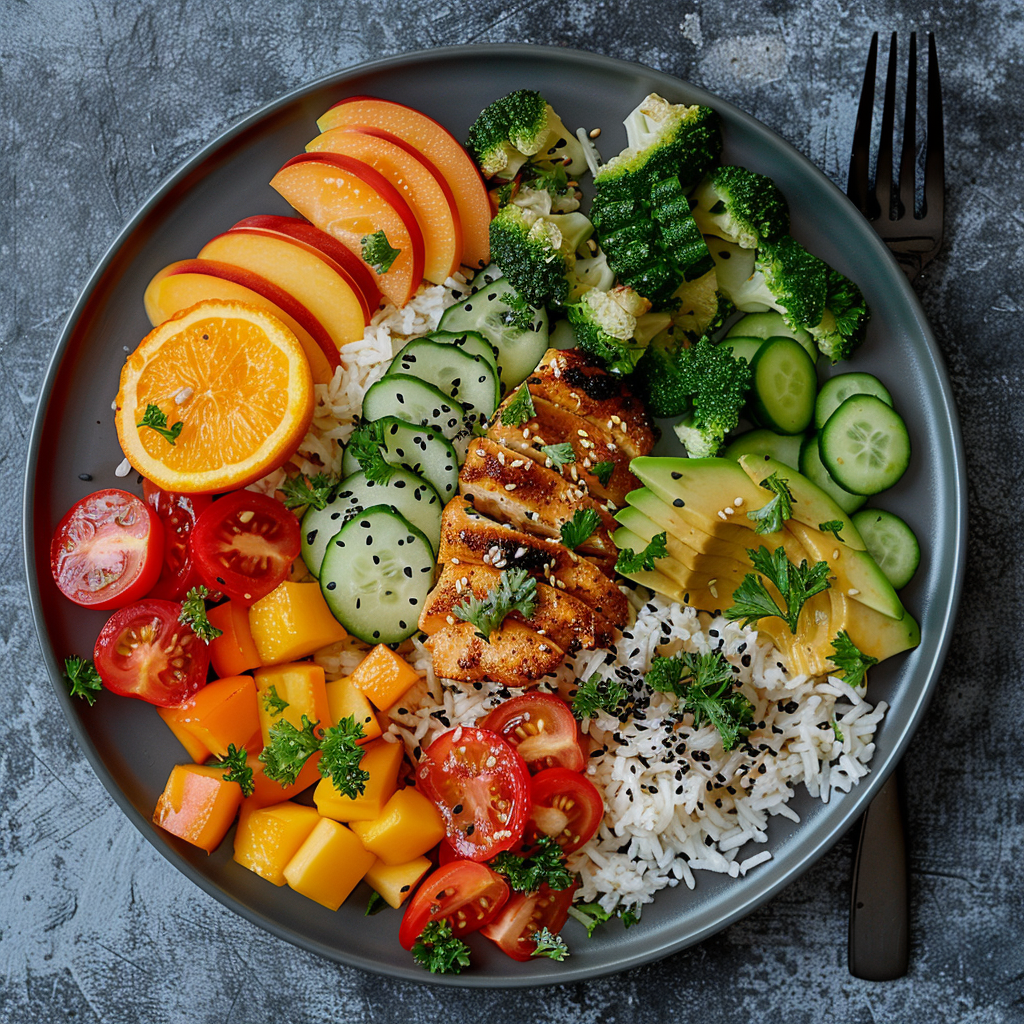
The “Healthy Plate” for older adults (simple portions)
Use this plate guide most days:
- Half the plate: vegetables and fruit
- One quarter: protein foods
- One quarter: whole grains or starchy vegetables
- Add a small healthy fat: olive oil, nuts, seeds, or avocado
- Add a drink: water, milk, or an unsweetened beverage
Mini visual description: Picture a dinner plate. The left half is colorful plants. The top right quarter is protein. The bottom right quarter is whole grains. A small spoon of healthy fat sits on top or on the side. Healthy eating for seniors gets easier when you repeat this pattern and swap foods you enjoy within it.
The 5 to 7 Nutrients Seniors Need Most (and Best Food Sources)
Healthy eating for seniors works best when you focus on a few nutrients that support strength, bones, digestion, and daily energy. You do not need perfect meals. You need repeatable meals that cover the basics. Healthy eating for seniors also gets easier when you pick the same “go to” foods each week.
Protein (muscle maintenance) plus easy high protein foods
Protein helps keep muscle, balance, and strength. Many older adults benefit from spreading protein across the day. Try building meals around eggs, Greek yogurt, cottage cheese, milk, fish, chicken, turkey, tofu, tempeh, beans, and lentils. If cooking feels hard, choose simple options like canned tuna or salmon, rotisserie chicken, or microwave lentils. Healthy eating for seniors is often a protein habit first.
Fiber (digestion plus heart health)
Fiber supports regular bowel movements and can help with heart health. Aim to add fiber slowly if you are not used to it, and drink more fluids as you increase it. Great sources include oats, beans, lentils, chia, berries, pears, apples, broccoli, carrots, leafy greens, and whole grains. Healthy eating for seniors feels better when fiber shows up at breakfast and lunch, not only at dinner.
Calcium plus Vitamin D (bone support)
Calcium supports bones, and vitamin D helps your body use calcium. Food sources of calcium include milk, yogurt, cheese, fortified soy milk, fortified plant drinks, calcium set tofu, and canned sardines or salmon with bones. Vitamin D can be harder to get from food, but fatty fish and fortified dairy or alternatives can help. Ask your clinician if you need a supplement, especially for vitamin D. Healthy eating for seniors supports bones with steady daily choices.
Vitamin B12 (absorption changes with age)
B12 matters for nerves and blood cells. Absorption can drop with age, and some medicines can affect it. B12 rich foods include fish, meat, eggs, milk, yogurt, and fortified cereals. If you are vegan or eat very little animal food, ask your clinician about testing and supplements. Healthy eating for seniors should include a reliable B12 source.
Potassium plus Magnesium (blood pressure, muscle function)
Potassium supports healthy blood pressure, and magnesium supports muscle and nerve function. Good sources include beans, lentils, potatoes, sweet potatoes, bananas, oranges, tomatoes, spinach, yogurt, nuts, seeds, and whole grains. If you have kidney disease, ask your clinician before increasing potassium a lot. Healthy eating for seniors can still be flexible while staying safe.
Hydration (fluids, soups, water rich foods)
Thirst can be weaker with age. Dehydration can show up as tiredness, headache, dizziness, dark urine, or constipation. Drink water through the day and use helpers like soup, milk, herbal tea, and water rich foods like cucumbers, melon, oranges, and yogurt. Healthy eating for seniors includes a simple drinking routine.
Quick table you can use daily
| Nutrient | Why it matters | Best foods | Simple daily target |
|---|---|---|---|
| Protein | Muscle, strength, recovery | Eggs, Greek yogurt, fish, chicken, tofu, beans | Include protein at every meal |
| Fiber | Regularity, heart support | Oats, beans, berries, veggies, whole grains | Add 1 high fiber food at 2 meals |
| Calcium | Bone strength | Milk, yogurt, fortified soy, tofu, sardines | 2 to 3 calcium rich servings |
| Vitamin D | Helps calcium, bones | Fatty fish, fortified milk | Ask clinician if supplement needed |
| Vitamin B12 | Nerves, blood cells | Fish, meat, eggs, dairy, fortified cereal | Include a B12 source daily |
| Potassium, Magnesium | Blood pressure, muscle function | Beans, potatoes, bananas, nuts, greens | Add 2 potassium rich foods |
| Fluids | Hydration, digestion | Water, soup, milk, tea, fruit | Drink with every meal and snack |
Healthy eating for seniors becomes much simpler when you use this list as a weekly checklist, not a strict set of rules.
How Aging Changes Appetite, Taste, and Eating Habits (and What to Do)
Healthy eating for seniors can feel harder because your body and daily routine change with age. The good news is that small adjustments can make meals easier, more enjoyable, and more nourishing. Healthy eating for seniors is less about willpower and more about using simple tricks that work on low energy days.
Low appetite: “small but powerful” meal strategy
If you get full quickly, think small portions with high nutrition.
- Eat by the clock. Try a meal or snack every 3 to 4 hours.
- Add calories that also bring nutrients. Use olive oil, nut butter, avocado, or cheese in small amounts.
- Choose soft high protein options when chewing feels tiring, like Greek yogurt, eggs, tuna salad, or lentil soup.
- Keep a “mini meal” list for low appetite days: yogurt plus fruit, egg on toast, soup plus crackers, smoothie with milk and peanut butter.
Healthy eating for seniors improves fast when you stop waiting to feel hungry and instead follow a gentle schedule.
Taste changes: flavor without extra salt or sugar
Taste and smell can fade with age, and some medicines can change flavor. You can boost taste without relying on salt or sugar.
- Use acids like lemon juice or vinegar to brighten food.
- Add herbs and spices like garlic, ginger, cumin, paprika, basil, and cinnamon.
- Use texture to make food more enjoyable, like crunchy nuts on oatmeal or crisp veggies on the side.
- Try warm foods when safe. Warmth can improve aroma and taste.
Healthy eating for seniors can stay satisfying when you build flavor with herbs, spice, and acidity.
Dental or chewing issues: soft food healthy swaps
Chewing pain or dentures can push people toward low nutrition foods. Swap in softer choices that still support strength.
- Swap steak for ground turkey, shredded chicken, flaky fish, tofu, or beans.
- Swap raw veggies for cooked veggies, roasted veggies, or blended soups.
- Swap hard fruit for soft fruit like bananas, peaches, applesauce, or berries in yogurt.
- Use moist cooking methods like stews, slow cooker meals, and casseroles.
If swallowing feels hard or unsafe, talk to your clinician. Healthy eating for seniors should always feel safe and comfortable.
Living alone: easy meals for one plus batch cooking
Eating alone can reduce appetite and make cooking feel like a chore. Keep meals simple and repeatable.
- Cook once, eat twice. Make one dinner that becomes lunch tomorrow.
- Use freezer portions. Freeze soups, chili, and cooked grains in single servings.
- Keep “no cook” meals ready: yogurt bowl, tuna sandwich, bean salad, cottage cheese with fruit, hummus with soft pita.
- Add a social cue when you can. A phone call during meals, a community lunch, or eating with a neighbor can help.
Healthy eating for seniors gets easier when the plan fits one person and reduces daily cooking.
Medications: when to ask your doctor or pharmacist
Some medicines can affect appetite, taste, nausea, or digestion. You do not need to guess.
- If a new medicine changes your appetite, taste, or stomach comfort, ask your pharmacist or doctor.
- Ask if the medicine should be taken with food, and what foods to avoid.
- If you are losing weight without trying, mention it right away.
Healthy eating for seniors works best when food choices match your health needs and your care team knows what is going on.
2 Healthy Eating Habits for Older Adults (Quick Wins)
Healthy eating for seniors gets easier when you focus on habits, not “perfect” meals. Pick two habits this week, then add one more next week. Healthy eating for seniors is a skill you build with repetition.
- Build protein into breakfast
Add eggs, Greek yogurt, cottage cheese, milk, or tofu. If you like oatmeal, stir in yogurt or add nuts and seeds. - Add vegetables twice a day
Aim for vegetables at lunch and dinner. Use frozen vegetables when fresh ones are hard to prep. Healthy eating for seniors often improves fast with this one change. - Choose whole grains most of the time
Pick oats, brown rice, whole wheat bread, quinoa, or barley. Whole grains bring fiber that supports digestion. - Add healthy fats in small amounts
Use olive oil, nuts, seeds, or avocado. A little goes a long way for taste and satisfaction. - Drink on a schedule
Have a drink with every meal and snack. Water is great, and soup, milk, and unsweetened tea also help. Healthy eating for seniors includes hydration because thirst can feel weaker with age. - Plan three go to lunches
Keep three simple lunches you can repeat, like a tuna sandwich with fruit, a bean soup with whole grain toast, or a yogurt bowl plus nuts. - Choose smart snacks: protein plus fiber
Try apple plus peanut butter, yogurt plus berries, hummus plus soft pita, or cheese plus whole grain crackers. Healthy eating for seniors is easier when snacks support you, not crash you. - Read the Nutrition Facts label
Check serving size first. Then look at protein, fiber, sodium, and added sugars. This habit helps you compare foods quickly. - Reduce sodium gradually
Swap salty packaged snacks for nuts, fruit, or yogurt. Flavor food with herbs, lemon, vinegar, garlic, and spices. Healthy eating for seniors can still taste great without extra salt. - Limit added sugars most days
Choose unsweetened drinks. Pick plain yogurt and add fruit. Keep desserts smaller and less frequent. Healthy eating for seniors does not ban treats, it just keeps them in a better spot. - Keep freezer staples for fast meals
Stock frozen vegetables, frozen berries, cooked grains, and frozen fish or chicken. Add canned beans and canned fish in the pantry. Healthy eating for seniors becomes simple when healthy food is always available. - Eat socially when possible
Share a meal with family, friends, or a community group. If you eat alone, try a phone call during meals or set a pleasant routine. Healthy eating for seniors is easier when meals feel like a positive event.
If you only do one thing from this list, start with protein at breakfast and a drink with every meal. Healthy eating for seniors becomes much easier once those two habits are in place.
7-Day Healthy Meal Plan for Seniors (Easy, High-Protein, Senior-Friendly)
Healthy eating for seniors works best when you follow a simple pattern and repeat a few meals you enjoy. This plan uses familiar foods, balanced plates, and steady protein through the day. Healthy eating for seniors also gets easier when you keep portions flexible and use swaps instead of restarting from zero.
How to use this meal plan (swap list + portions)
Use these portion guides, then adjust for your appetite:
- Protein: aim for a palm sized portion at meals (or a strong protein snack)
- Vegetables and fruit: aim for 2 fists across the day, more is fine
- Whole grains or starchy vegetables: about a cupped hand per meal
- Healthy fat: 1 to 2 thumbs, like olive oil, nuts, or avocado
- Fluids: drink with each meal and snack
If you have low appetite, keep portions smaller and add nutrition boosters like olive oil, nut butter, cheese, or yogurt. Healthy eating for seniors is about steady routines, not big plates.
The 7-day menu (Breakfast, Lunch, Dinner + 1 snack)
| Day | Breakfast | Lunch | Dinner | Snack |
|---|---|---|---|---|
| 1 | Greek yogurt, berries, oats, nuts | Tuna salad sandwich on whole grain, tomato soup | Baked salmon, brown rice, roasted carrots | Apple + peanut butter |
| 2 | Veggie egg scramble + whole grain toast | Lentil soup + side salad or soft cooked veg | Chicken and veggie stir fry + quinoa | Cottage cheese + peaches |
| 3 | Oatmeal made with milk + chia + banana | Bean and avocado bowl + salsa | Turkey chili + steamed broccoli | Handful of nuts + fruit |
| 4 | Smoothie: milk or fortified soy + yogurt + berries + spinach | Salmon or sardines on whole grain crackers + cucumber | Tofu or chicken curry + rice + cooked greens | Yogurt + cinnamon |
| 5 | Cottage cheese + fruit + whole grain toast | Leftover chili or soup + fruit | Whole wheat pasta + marinara + lean ground turkey + side salad | Hummus + soft pita |
| 6 | Peanut butter toast + milk + orange | Chicken or chickpea salad wrap + veggie soup | Sheet pan fish or chicken + potatoes + green beans | Cheese + whole grain crackers |
| 7 | Eggs + sautéed spinach + fruit | Tomato and bean soup + grilled cheese on whole grain | Beef or lentil stew + cooked carrots + peas | Banana + yogurt |
Healthy eating for seniors improves when you keep breakfast protein strong and lunch simple. Healthy eating for seniors can also feel lighter when you use leftovers for at least two lunches.
Swap boxes you can use anytime
Soft-food swaps
- Swap raw veggies for cooked veggies, roasted veggies, or blended soup
- Swap steak or chops for flaky fish, shredded chicken, tofu, eggs, or beans
- Swap crunchy snacks for yogurt, pudding made with milk, applesauce, or mashed sweet potato
- Swap dry grains for softer options like oatmeal, rice, couscous, or well cooked pasta
Healthy eating for seniors stays doable when texture feels comfortable.
Budget swaps
- Swap fresh produce for frozen vegetables and frozen fruit
- Swap salmon fillets for canned salmon, canned tuna, or canned sardines
- Swap chicken breast for eggs, beans, lentils, tofu, or store brand rotisserie chicken
- Swap fancy grains for oats, brown rice, and whole wheat pasta
Healthy eating for seniors does not need expensive foods.
Higher-protein swaps
- Add Greek yogurt to breakfast or snacks
- Add beans or lentils to soups, salads, and pasta sauce
- Choose milk or fortified soy instead of water in oatmeal or smoothies
- Add extra egg at breakfast or extra tofu at dinner
Healthy eating for seniors often gets easier when you boost protein without adding more cooking.
“High-protein day” example menu (simple and realistic)
This is a sample day that follows the same plan style:
- Breakfast: 2 eggs + whole grain toast + fruit
- Lunch: lentil soup + yogurt
- Dinner: fish or chicken + rice + cooked vegetables
- Snack: cottage cheese + berries
Healthy eating for seniors becomes much more consistent when you keep protein in every eating moment.
Easy meals for one person (use these with the plan)
If you live alone, these are quick options you can rotate:
- Yogurt bowl with fruit and nuts
- Egg on toast with cooked spinach
- Tuna sandwich with soup
- Bean soup with whole grain bread
- Microwave rice + canned fish + frozen vegetables
Healthy eating for seniors is easier when your “default meals” are already decided.
If you want, the next section can turn this plan into a grocery list that matches the table exactly, so healthy eating for seniors stays simple from shopping to cooking.
Printable Grocery List for the 7-Day Plan (Budget-Friendly)
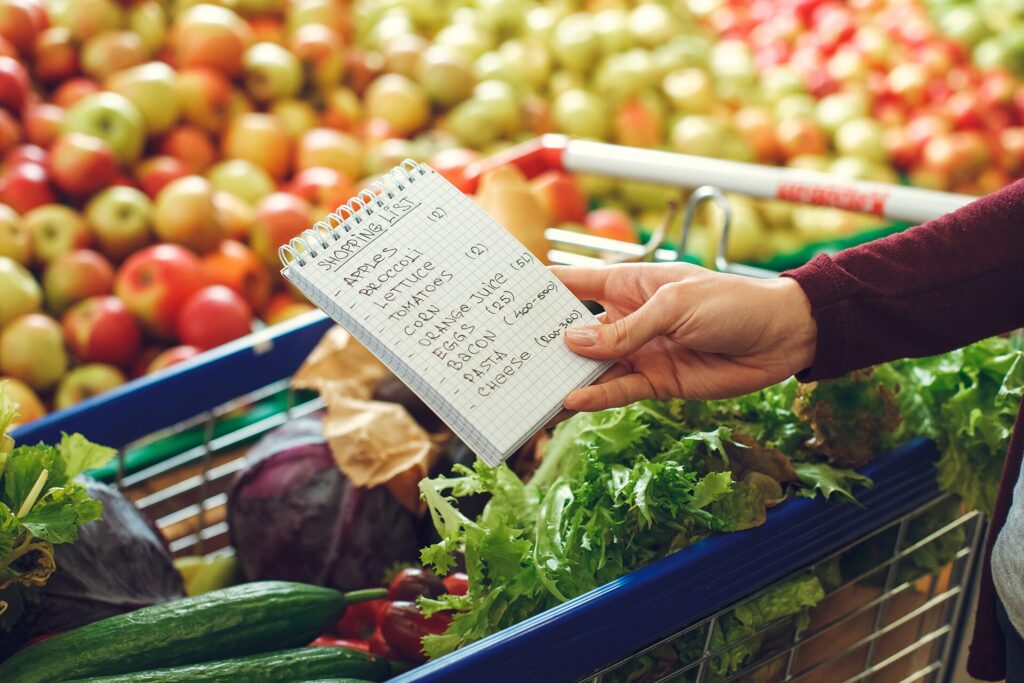
Healthy eating for seniors is much easier when your grocery list matches your plan. Use this list as a simple checklist. Buy what you already like, then swap items based on budget, cooking time, and chewing comfort. Healthy eating for seniors works best when your kitchen has a few reliable staples every week.
Proteins
- Eggs
- Greek yogurt
- Cottage cheese
- Milk or fortified soy drink
- Canned tuna
- Canned salmon or sardines
- Chicken breast, thighs, or rotisserie chicken
- Lean ground turkey
- Tofu
- Dry or canned beans (black beans, chickpeas, kidney beans)
- Lentils (dry or canned)
Vegetables and fruits
- Spinach or mixed greens
- Broccoli
- Carrots
- Green beans
- Tomatoes
- Cucumbers
- Onions and garlic
- Potatoes or sweet potatoes
- Berries (fresh or frozen)
- Bananas
- Apples
- Oranges
- Peaches (fresh or canned in juice)
Whole grains
- Oats
- Whole grain bread
- Brown rice
- Quinoa or another whole grain you like
- Whole wheat pasta
- Whole grain crackers
- Soft whole wheat wraps or pita
Dairy and fortified alternatives
- Plain yogurt or Greek yogurt
- Milk
- Cheese (block or sliced)
- Fortified soy drink or another fortified option
- Optional: kefir if you enjoy it
Healthy fats plus pantry staples
- Olive oil
- Peanut butter or another nut butter
- Nuts (walnuts, almonds, or mixed)
- Seeds (chia or ground flax)
- Avocados
- Vinegar or lemon
- Salsa
- Low sodium broth
- Canned tomatoes
- Spices and herbs (black pepper, paprika, cumin, cinnamon)
Freezer staples (fast meals)
- Frozen mixed vegetables
- Frozen spinach
- Frozen berries
- Frozen fish fillets or frozen chicken
- Frozen brown rice or frozen cooked grains if available
$-Saver list (cheap, nutrient-dense basics)
- Eggs
- Oats
- Dry beans and lentils
- Frozen vegetables
- Frozen fruit
- Canned tuna or canned salmon
- Store brand yogurt
- Brown rice or whole wheat pasta
- Peanut butter
- Canned tomatoes and broth
Healthy eating for seniors stays simple when you keep these basics on hand. If you want a tighter list, you can also shop “two ways” each week: a fresh list for taste and a freezer pantry list for backup meals. Healthy eating for seniors becomes easier when you always have a plan B at home.
Healthy Eating on a Budget (Including SNAP Tips)
Healthy eating for seniors can be affordable when you focus on a few low cost staples and repeat simple meals. Price changes by store and season, so the goal is not “perfect deals.” The goal is a steady plan that keeps protein, fiber, and key nutrients in your week. Healthy eating for seniors also becomes easier when you shop with a list and keep backup foods in the freezer and pantry.
Cheapest nutrient-dense foods (top 20 list)
These foods give strong nutrition for the money and work in many meals. Healthy eating for seniors often improves fast when you build meals around these basics.
- Eggs
- Oats
- Dry lentils
- Dry beans
- Canned beans
- Canned tuna
- Canned salmon or sardines
- Peanut butter
- Plain yogurt
- Milk or fortified soy drink
- Frozen mixed vegetables
- Frozen spinach
- Frozen berries
- Carrots
- Potatoes or sweet potatoes
- Onions
- Cabbage
- Bananas
- Apples
- Brown rice or whole wheat pasta
Healthy eating for seniors can stay balanced with simple combinations like eggs plus toast, bean soup plus rice, or yogurt plus fruit and oats.
How to shop: unit prices, store brands, frozen vs fresh
Use these shopping habits to lower your total without lowering nutrition. Healthy eating for seniors works best when you buy foods you will actually eat.
- Check unit price. The bigger box is not always cheaper per ounce or per pound.
- Choose store brands. Staples like oats, beans, frozen vegetables, and yogurt are often the best value.
- Use frozen and canned on purpose. Frozen fruit and vegetables are picked at peak ripeness and last longer. Canned beans and fish are fast protein. Rinse canned beans to lower sodium.
- Buy “flex” produce. Pick fruits and vegetables that work raw, cooked, or in soup, like carrots, cabbage, onions, apples, and bananas.
- Plan around sales, then freeze. If chicken or fish is on sale, portion it and freeze it.
- Limit pricey “snack” foods. Chips, sweets, and sugary drinks raise the bill fast without helping healthy eating for seniors.
SNAP tips (simple and practical)
If you use SNAP, treat it like a weekly food plan tool.
- Start with proteins and produce. Use benefits first on foods that build meals, like eggs, beans, yogurt, milk, frozen vegetables, and fruit.
- Stretch with batch meals. Soups, chili, lentil stew, and bean bowls can turn one trip into many meals. Healthy eating for seniors gets easier when leftovers are part of the plan.
- Ask about local support. Many communities have extra food resources for older adults, like senior meal programs and food pantries.
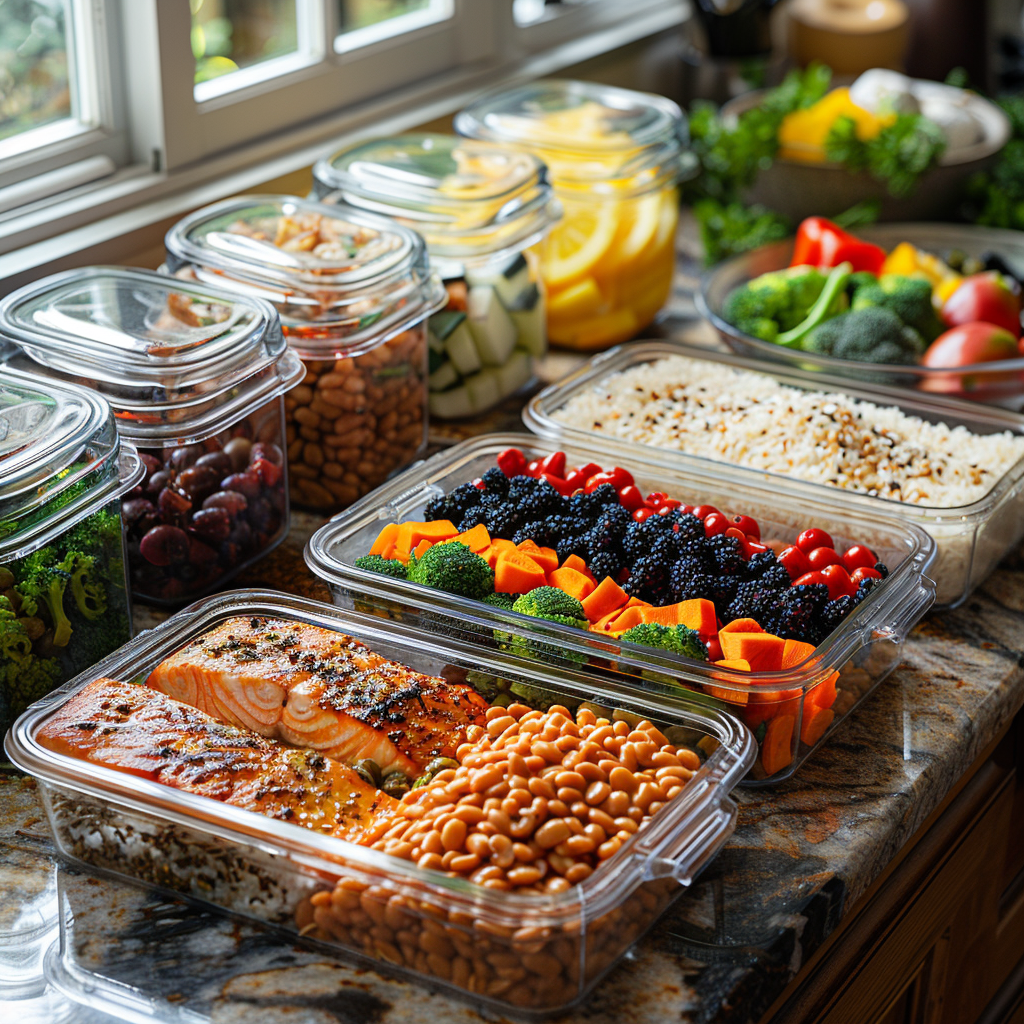
Simple meal prep routine (1 hour per week)
This routine keeps healthy eating for seniors simple all week. Pick 4 steps and keep it easy.
- Cook one protein: bake chicken thighs, boil eggs, or cook a pot of lentils.
- Cook one grain: brown rice, quinoa, or whole wheat pasta.
- Prep two vegetables: roast a tray of carrots and broccoli, or steam frozen vegetables.
- Make one “mix and match” item: bean salad, tuna salad, or a pot of soup.
- Set up snack pairs: yogurt cups, fruit, nuts, cheese, or hummus.
Healthy eating for seniors is easier when your fridge has ready to eat parts you can mix into fast meals. Healthy eating for seniors also becomes cheaper when you cook once and eat two or three times.
Food Safety for Seniors (Often Missed, High Trust)
Healthy eating for seniors is not only about nutrients. It is also about lowering the risk of foodborne illness, which can hit older adults harder. A few simple habits can make meals safer without making life stressful. Healthy eating for seniors becomes more reliable when you treat food safety as part of the routine.
High-risk foods to be careful with
Some foods carry higher risk, especially if they are raw, unpasteurized, or not handled well.
- Raw or undercooked eggs, meat, poultry, and seafood
- Unpasteurized milk, cheese, or juices
- Raw sprouts
- Deli meats and hot dogs, unless reheated until steaming hot
- Refrigerated smoked seafood, unless it is cooked in a dish
- Prepared salads from the deli that sit too long, like tuna salad or egg salad
Healthy eating for seniors can still include many of these foods if you choose safer versions, cook them fully, and store them correctly.
Safe temps, leftovers, and storage
Use these simple rules to lower risk.
- Keep the fridge cold and do not let perishable foods sit out for long.
- Put leftovers away soon after eating, in shallow containers so they cool faster.
- Reheat leftovers until they are steaming hot.
- Eat leftovers within a short window, and toss them if you are unsure how long they have been stored.
- Thaw food in the fridge, not on the counter.
Healthy eating for seniors is easier when you label leftovers with the date, so you do not have to guess later.
“When in doubt, throw it out” guide
If any of these happen, do not taste the food to test it.
- The food smells off or looks slimy
- The container is swollen or leaking
- You cannot remember when you cooked it
- The food was left out for a long time
- You see mold on soft foods like bread, cooked grains, or leftovers
Healthy eating for seniors should feel safe and simple. If you are unsure, tossing one item is better than risking illness.
Best Foods for Seniors by Goal (Quick Reference)
Healthy eating for seniors is easier when you match food choices to a clear goal. Use this table to pick foods that support what you care about most, like strength, bones, heart health, or digestion. Healthy eating for seniors does not require special products. It works with simple foods you can find in most stores.
| Goal | Best foods | Simple meal idea |
|---|---|---|
| Muscle and strength | Eggs, Greek yogurt, cottage cheese, fish, chicken, tofu, beans, lentils | Scrambled eggs with spinach and whole grain toast |
| Bone support | Milk, yogurt, cheese, fortified soy drink, canned salmon or sardines with bones, leafy greens | Yogurt bowl with fruit and nuts, plus a glass of milk |
| Heart support | Oats, beans, lentils, salmon, olive oil, nuts, berries, leafy greens | Oatmeal with berries and walnuts, then lentil soup for lunch |
| Brain support | Fatty fish, berries, leafy greens, nuts, olive oil, eggs | Salmon with roasted vegetables and olive oil, plus berries for dessert |
| Digestion and regularity | Oats, beans, lentils, chia, prunes, pears, veggies, whole grains, water rich foods | Oatmeal with chia and fruit, plus bean soup and a side of cooked veggies |
| Energy and steady blood sugar | Protein foods, whole grains, beans, vegetables, fruit, healthy fats | Chicken and veggie bowl with brown rice and avocado |
Healthy eating for seniors becomes simpler when you pick one goal and build most meals around it for a week. Healthy eating for seniors also gets easier when you repeat the same breakfast and lunch, then rotate dinners.
When to Talk to a Doctor or Dietitian
Healthy eating for seniors can solve many common issues, but some signs mean you should talk with a clinician sooner rather than later. These check ins can help you stay safe, prevent problems, and get a plan that matches your health needs. Healthy eating for seniors works best when food choices fit your medical history and your medicines.
Talk to a doctor, dietitian, or pharmacist if you notice any of the following:
- Unplanned weight loss or your clothes suddenly feel looser
- Trouble swallowing, choking, or coughing during meals
- Very low appetite that lasts more than a week or keeps you from eating enough
- Dehydration signs, like dizziness, confusion, very dark urine, or ongoing constipation
- Persistent nausea, vomiting, diarrhea, or constipation that does not improve
- New weakness, frequent falls, or loss of strength that affects daily life
- Mouth pain, dental problems, or denture issues that block normal eating
- Food and medication concerns, like a new medicine that changes taste, appetite, or stomach comfort
- Managing a chronic condition, such as diabetes, kidney disease, heart failure, or digestive disease, where diet changes should be guided
If you are unsure, bring a simple food note to your visit. Write down what you ate and drank for two normal days, plus any symptoms. Healthy eating for seniors becomes easier when you get clear guidance that matches your body and your routine.
Ultimate Guide to Managing Diabetes After 60, Powerful Habits for a Longer Life After 60, and Powerful Self Care Routines for Seniors That Truly Work also work well in this part because healthy eating becomes even more effective when it is connected to blood sugar support, consistent daily habits, and simple routines that improve overall well-being.
FAQ
How much protein do seniors need per day?
Many older adults do well with protein spread across meals, often around 25 to 30 grams per meal. Your exact needs depend on body size, activity level, and health conditions. Healthy eating for seniors is easier when you start by adding protein to breakfast and lunch, then adjust with your clinician if needed.
What is the best breakfast for seniors?
A strong breakfast includes protein plus fiber. Examples include eggs with whole grain toast and fruit, or Greek yogurt with berries and oats. Healthy eating for seniors works best when breakfast is not just coffee and toast.
What should seniors avoid eating?
There is no single “never” list, but it helps to limit foods high in added sugar, excess sodium, and saturated fat. Ultra processed snacks and sugary drinks are common targets. Healthy eating for seniors is about reducing these most days, not banning them forever.
How can seniors eat healthy with dentures?
Choose soft proteins like eggs, yogurt, fish, tofu, beans, and shredded chicken. Use cooked vegetables, soups, stews, oatmeal, and smoothies. Healthy eating for seniors stays doable when texture is comfortable and meals stay moist.
How can I help an elderly parent eat healthier?
Start with one change that feels easy, like adding a protein food at breakfast, keeping fruit washed and ready, or setting up simple lunches they can repeat. Offer choices, not rules. Healthy eating for seniors improves most when support feels practical and respectful.
How can seniors lower sodium without losing flavor?
Use lemon, vinegar, garlic, herbs, and spices. Choose low sodium broth, rinse canned beans, and reduce salty packaged foods. Healthy eating for seniors can still taste great with smart seasoning.
What does a high protein day look like for seniors?
One simple pattern is eggs at breakfast, lentil soup plus yogurt at lunch, fish or chicken at dinner, and a protein snack like cottage cheese or Greek yogurt. Healthy eating for seniors becomes consistent when protein appears at each eating time.
Conclusion + CTA
Healthy eating for seniors works when you keep things simple and repeat what works. Use the Healthy Plate idea, aim for protein at each meal, add fiber daily, and drink fluids on a schedule. If you want the easiest next step, start with one habit this week, like a higher protein breakfast or a planned snack that includes protein plus fiber. Healthy eating for seniors does not need perfect cooking or expensive foods.
CTA
- Print the Key Takeaways section and put it on your fridge. Healthy eating for seniors is easier when your reminders are visible.
- Try the 7 day meal plan for one week, then repeat your favorite days. Healthy eating for seniors becomes a routine when you keep meals familiar.
- Use the grocery list to shop faster and stay on budget. Healthy eating for seniors works best when the kitchen is stocked for quick meals.
- If you want more support, build a small topic set next: protein for older adults, hydration tips, bone supportive meals, and easy meals for one. Healthy eating for seniors gets easier when you learn one skill at a time.
To broaden the topic, this post can also connect to How to Age Gracefully, Staying Active After Retirement, Best Sources of Protein for Older Adults, the Healthy Aging category, and the Nutrition & Diet category to tie healthy eating to active living, long-term wellness, and the broader habits that support aging well after 60.