Senior Strength Workout: The Complete Full-Body Routine + 4-Week Plan (Beginner-Friendly)


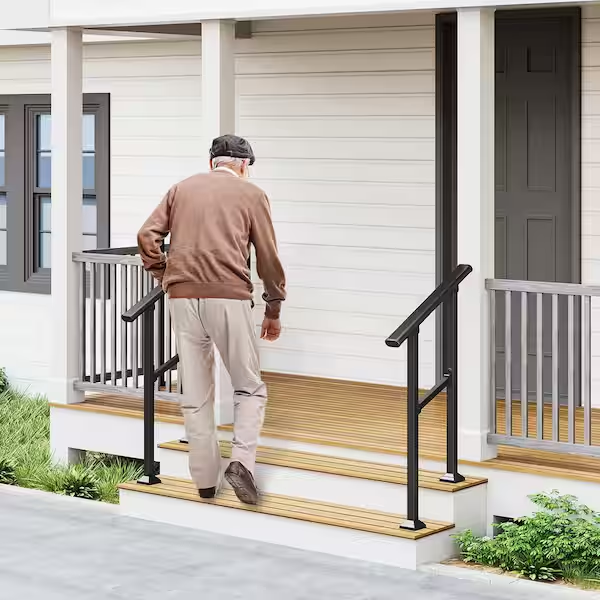
Strength helps you stay independent. It supports balance, posture, and confidence in daily life. This senior strength workout is built for beginners who want a simple plan that feels safe and doable. You will train your legs, hips, back, chest, and core with steady, controlled moves.
You can start today with the full-body routine, then choose the level that fits you. You can use only your bodyweight, or add a chair, a wall, a band, or light dumbbells. You will also get a clear 4-week plan that tells you when to add reps, rounds, or a little resistance. If you want strength that carries over to real life tasks, this senior strength workout gives you a smart place to begin.
Table of Contents
Who this senior strength workout is for
This senior strength workout fits you if you want a simple routine that builds full-body strength without fancy gear. It works well if you are new to training, coming back after a break, or starting again after age 60. You can also use this senior strength workout if you feel a bit stiff, want better balance, or want more confidence with stairs, carrying groceries, and getting up from a chair.
Perfect for
- Beginners who want clear steps and steady progress
- Adults age 60+ who want strength for daily tasks
- Anyone returning to exercise after time off
- People who prefer low impact training
- Anyone who wants a plan that can be done at home
This senior strength workout is also a good fit if you have limited equipment. You can start with bodyweight and support tools, then add light resistance when you feel ready.
This section can link naturally to Strength Training for Seniors, Chair Exercises for Seniors, and Chair Yoga for Seniors to reinforce safe movement patterns, beginner-friendly routines, and practical ways to build full-body strength with confidence.
What you will need

- A sturdy chair for support and sit-to-stand practice
- A wall or countertop for balance help
- Optional: a resistance band
- Optional: light dumbbells or light weights
If you have none of the optional items, this senior strength workout still works. You can use slower reps, pauses, and extra rounds to build strength.
Time options
You can choose the option that matches your day. This senior strength workout includes:
- 10 minutes: quick version for busy days
- 20 to 30 minutes: full version with more exercises and rounds
Pick the time you can repeat each week. Consistency matters more than doing the longest session.
How you will choose your level
This senior strength workout offers three levels:
- Level 1: chair-supported and easier range of motion
- Level 2: standard moves with good control
- Level 3: add a band or light weights when form feels solid
Quick safety checks before you start
This senior strength workout should feel challenging but controlled. You should feel muscles working, not sharp pain. Stop and rest if you feel sharp or sudden pain, dizziness, chest pressure, unusual shortness of breath, or anything that feels alarming. If symptoms do not settle fast, get medical help.
Use this simple effort scale:
- Easy: you can talk in full sentences
- Moderate: you can talk, but you need a pause
- Hard: you can say only a few words at a time
Aim for moderate most of the time. Warm-up is not optional. It prepares your joints and helps your balance. If you have osteoporosis concerns, joint pain, or balance issues, use the modifications later in this guide and choose the most stable options in this senior strength workout.
The 5-minute warm-up (do this every time)
Do this warm-up before your senior strength workout. It raises your body temperature, wakes up your joints, and improves balance. Move at a steady pace and breathe normally. Nothing should feel sharp or risky. If you feel stiff, make the range smaller and keep going. This warm-up also helps you use better form during the senior strength workout, so your muscles do more work and your joints feel better.
Warm-up routine (5 moves)
- March in place: 45 seconds
Keep your chest tall. Swing arms gently. - Shoulder rolls + arm circles: 20 seconds rolls, then 20 seconds circles each way
Keep shoulders down, not shrugged. - Hip circles: 30 seconds each direction
Hold a chair or wall if needed. - Chair sit-to-stand practice reps: 6 to 8 reps
Stand up slow, sit down slower. - Ankle pumps or heel-to-toe rocks: 45 seconds
Use a chair for support if balance feels shaky.
After this, start your senior strength workout.
Senior strength workout (Full-body routine)

This senior strength workout uses 6 to 8 moves to train your whole body. You will hit legs, hips, back, chest, core, and posture muscles in one session. Most people do 2 to 3 rounds. Rest 30 to 60 seconds between exercises, and rest 60 to 90 seconds between rounds. This senior strength workout should feel steady and controlled, not rushed.
Choose your level like this:
- Level 1: chair-supported options and smaller range of motion
- Level 2: standard moves with full control
- Level 3: add a band or light weights when form feels easy
If you are unsure, start with Level 1 for this senior strength workout. You can move up later.
Workout card (copy/paste friendly)
Senior strength workout format
- Rounds: 2 to 3
- Rest: 30 to 60 seconds between moves
- Round rest: 60 to 90 seconds
- Total time: 20 to 30 minutes
Level guide for this senior strength workout
- Level 1: chair or wall support, bodyweight
- Level 2: standard version, bodyweight or light band
- Level 3: add band or light dumbbells, slower tempo
Exercise order
- Chair Sit-to-Stand
- Wall Push-Up
- Supported Hip Hinge
- Band Row or Towel Row
- Heel Raises
- Step-Up or Supported Split Squat
- Farmer Carry or Suitcase Hold
- Core: Dead Bug or Standing Core Press
Exercise 1: Chair Sit-to-Stand (Squat pattern)
Muscles worked: thighs, glutes, core
Sets and reps: 2 to 3 sets of 8 to 12 reps
How to do it
- Sit tall on a sturdy chair with feet hip-width apart.
- Lean slightly forward from the hips, not the low back.
- Stand up by pressing through your feet.
- Pause for one second at the top.
- Sit down slowly with control.
Make it easier: use a higher chair or use hands on the chair for help.
Make it harder: use a 3-second lower, or hold a light weight at your chest.
Common mistakes + fix: knees cave in. Press knees gently out and keep feet planted.
This senior strength workout starts here because sit-to-stand is a daily life skill.
Exercise 2: Wall Push-Up (Upper body push)

Muscles worked: chest, shoulders, triceps, core
Sets and reps: 2 to 3 sets of 8 to 12 reps
How to do it
- Stand facing a wall and place hands on the wall at shoulder height.
- Walk feet back so your body forms a straight line.
- Bend elbows and lower your chest toward the wall.
- Keep your body straight and your ribs down.
- Push back to the start position.
Make it easier: stand closer to the wall.
Make it harder: step farther back or use a countertop for a lower angle.
Common mistakes + fix: hips drop. Tighten your belly and squeeze glutes lightly.
This senior strength workout uses wall push-ups to build strength with low joint stress.
Exercise 3: Supported Hip Hinge (Glutes + back-safe)
Muscles worked: glutes, hamstrings, upper back support muscles
Sets and reps: 2 to 3 sets of 8 to 10 reps
How to do it
- Stand with hands lightly on a chair or countertop.
- Soften knees slightly.
- Push hips back as your chest tips forward a little.
- Keep a long spine and look slightly ahead.
- Stand tall by squeezing glutes.
Make it easier: hinge less deep and keep hands on support.
Make it harder: hold a light weight close to your body.
Common mistakes + fix: rounding the back. Keep chest proud and hinge from hips.
A good hinge makes this senior strength workout feel strong and safe.
Exercise 4: Band Row or Towel Row (Upper back posture)
Muscles worked: upper back, lats, biceps
Sets and reps: 2 to 3 sets of 10 to 12 reps
How to do it (band row)
- Loop a band around a sturdy post or close it in a door safely.
- Sit or stand tall and hold the band ends.
- Pull elbows back toward your ribs.
- Squeeze shoulder blades gently together.
- Return slowly to the start.
How to do it (towel row): wrap a towel around a doorknob, hold ends, and row with light effort.
Make it easier: use a lighter band or smaller range of motion.
Make it harder: slow the return for 3 seconds.
Common mistakes + fix: shoulders shrug up. Keep shoulders down and neck long.
This senior strength workout includes rows to improve posture and shoulder comfort.
Exercise 5: Heel Raises (Calves + ankle stability)
Muscles worked: calves, ankles, foot support muscles
Sets and reps: 2 to 3 sets of 12 to 15 reps
How to do it
- Stand tall and hold a chair lightly for balance.
- Lift heels up as high as you can with control.
- Pause for one second at the top.
- Lower heels slowly to the floor.
Make it easier: do fewer reps or keep both hands on the chair.
Make it harder: slow the lower to 3 seconds, or do one leg at a time with support.
Common mistakes + fix: rocking forward. Keep weight over the balls of your feet.
Strong calves support balance in this senior strength workout.
Exercise 6: Step-Up or Supported Split Squat (Leg strength + balance)
Muscles worked: thighs, glutes, hips, balance muscles
Sets and reps: 2 sets of 6 to 10 reps per side
How to do it (step-up)
- Hold a rail, wall, or chair.
- Step onto a low step with one foot.
- Drive through that foot to stand tall.
- Step down slowly and switch sides.
How to do it (supported split squat): stand in a split stance, hold support, lower a few inches, then rise.
Make it easier: use a lower step or keep the range small.
Make it harder: add a pause at the bottom or hold light weights.
Common mistakes + fix: knee drifts inward. Track knee over the middle toes.
This senior strength workout uses a supported single-leg pattern to build stability.
Exercise 7: Farmer Carry or Suitcase Hold (Grip + core + posture)
Muscles worked: grip, core, upper back, hips
Sets and reps: 2 to 3 carries of 20 to 40 steps, or 20 to 30 seconds each side
How to do it (farmer carry)
- Hold light weights at your sides.
- Stand tall with ribs down and shoulders relaxed.
- Walk slowly and smoothly.
- Turn carefully and keep posture tall.
How to do it (suitcase hold): hold one weight on one side and stand still, then switch sides.
Make it easier: use a lighter weight or do the suitcase hold instead of walking.
Make it harder: increase time by 5 to 10 seconds.
Common mistakes + fix: leaning to one side. Stand tall and tighten your belly gently.
This senior strength workout uses carries to train real-life strength.
Exercise 8: Core: Dead Bug or Standing Core Press
Muscles worked: deep core, hip control, posture support
Sets and reps: 2 sets of 6 to 10 reps per side
How to do it (dead bug)
- Lie on your back with knees bent and feet up if comfortable.
- Press low back gently toward the floor.
- Reach one arm back while you extend the opposite leg.
- Return slowly and switch sides.
Standing option (core press): press hands forward against a band and resist twisting.
Make it easier: move slower and reduce range.
Make it harder: add a longer pause at full reach.
Common mistakes + fix: arching the low back. Keep ribs down and move smaller.
Finish this senior strength workout with core control, not speed.
The 10-minute senior strength workout (quick version)
Use this senior strength workout on busy days. You will do 5 moves, then repeat for 1 to 2 rounds. Rest as needed, but keep transitions quick and smooth.
Timer option (10 minutes)
- Work: 40 seconds
- Rest: 20 seconds
- Complete 1 round (5 minutes), then repeat for 2 rounds
Exercises (in order)
- Chair Sit-to-Stand
- Wall Push-Up
- Band Row or Towel Row
- Heel Raises
- Standing Core Press against a band, or a dead bug if comfortable
Level guide
- Level 1: use chair support, smaller range, slower pace
- Level 2: standard pace and full control
- Level 3: add a light band or light weights when form feels easy
This senior strength workout should feel moderate. Stop if anything feels sharp. If you only have one round in you today, that still counts. Do this senior strength workout again later in the week.
The 4-week progression plan
This senior strength workout works best when you repeat it and progress in small steps. The goal is simple: better form first, then a little more work over time. Use this plan for 4 weeks, then repeat it with slightly harder settings.
How to progress safely
Weeks 1 and 2
- Learn the moves and keep effort moderate
- Stop each set with 2 to 3 good reps left in the tank
- Focus on smooth control and steady breathing
- Use Level 1 or Level 2 for the senior strength workout
Weeks 3 and 4
- Keep the same exercises, then add a small upgrade
- Choose only one change at a time in your senior strength workout
- Add 2 reps per set, or
- Add 1 extra round, or
- Add a little band tension or a slightly heavier weight
Rule: If form breaks, go back one step. Progress should feel earned, not forced.
4-week schedule
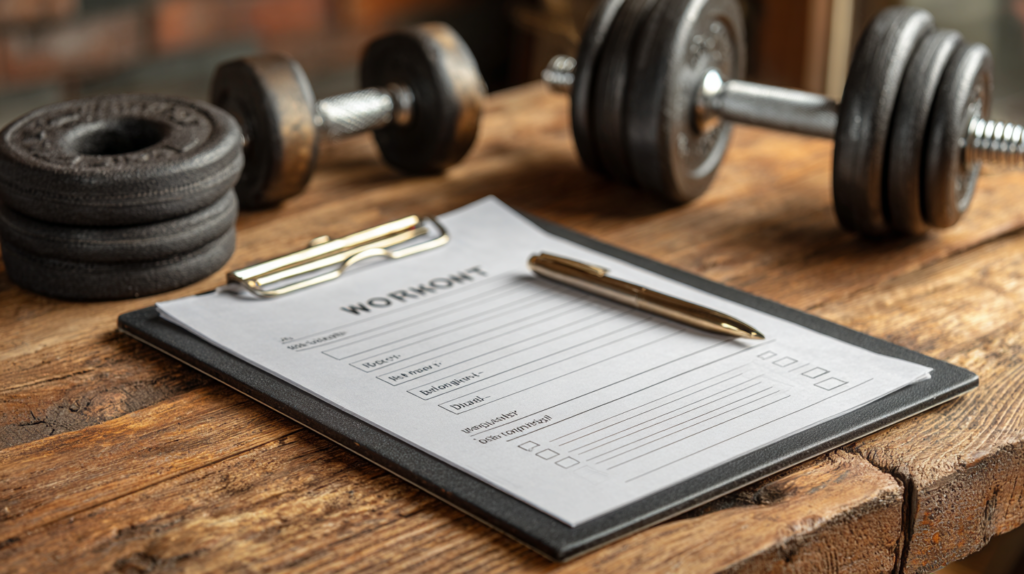
Use this weekly schedule for all 4 weeks. Strength A and Strength B rotate to train the full body and reduce overuse. Keep sessions short enough that you can stay consistent with this senior strength workout.
| Day | Plan |
|---|---|
| Monday | Strength A |
| Tuesday | Optional 5 minutes balance + mobility |
| Wednesday | Strength B |
| Thursday | Optional 5 minutes balance + mobility |
| Friday | Strength A |
| Saturday | Rest or easy walk |
| Sunday | Rest |
Strength A vs Strength B
Strength A (5 to 6 moves)
- Chair Sit-to-Stand
- Wall Push-Up
- Band Row or Towel Row
- Heel Raises
- Core: Dead Bug or Standing Core Press
Strength B (5 to 7 moves)
- Supported Hip Hinge
- Wall Push-Up
- Band Row or Towel Row
- Step-Up or Supported Split Squat
- Farmer Carry or Suitcase Hold
- Core: Dead Bug or Standing Core Press
If time is tight, do fewer moves but keep the schedule. This senior strength workout improves fastest when you show up each week.
Modifications for common limitations
You can adjust this senior strength workout so it fits your body on any day. The goal is steady work with good control. Use support when you need it. Keep reps smooth. If a move feels sharp, switch to the easier option right away. These changes help you stay consistent with your senior strength workout while you build strength and confidence.
If you have knee pain
- Use a higher chair for sit-to-stand and keep the range smaller.
- Slow down the lowering phase and stop before pain.
- Do the hip hinge first to build glutes and take stress off knees.
- For step-ups, use a lower step or switch to a split stance hold with support.
- Keep knees tracking over the middle toes during this senior strength workout.
If you have wrist or hand pain
- Do wall push-ups with fists, or hold handles if you have them.
- Keep hands higher on the wall to reduce wrist bend.
- Choose band rows or towel rows instead of moves that load the hands on the floor.
- For carries, use a lighter weight or do a suitcase hold for shorter time.
- Pick the most comfortable grip for this senior strength workout.
If balance is a concern
- Make chair or wall support your default.
- Use a wider stance for squats and hinges.
- Swap step-ups for split stance holds, or marching in place with support.
- For heel raises, keep both hands on the chair and move slower.
- A stable setup makes this senior strength workout safer and more effective.
If you have osteoporosis concerns
- Focus on tall posture and slow, controlled reps.
- Avoid fast twisting and sudden bending.
- Keep the hip hinge small and smooth, and stop if form changes.
- Use carries and rows to build posture strength.
- Choose the most stable options in this senior strength workout and progress slowly.
Cooldown (3 to 5 minutes)
Do this cooldown right after your senior strength workout. It helps your breathing slow down and it reduces tightness. Keep stretches gentle. You should feel mild tension, not pain. Hold each stretch for about 20 to 30 seconds and breathe slowly through your nose. This cooldown also helps you recover so your next senior strength workout feels better.
Chest opener stretch
- Stand tall near a doorway or wall.
- Place one forearm on the wall with elbow below shoulder height.
- Turn your body slightly away until you feel a gentle stretch in the chest.
- Switch sides.
Hip flexor gentle stretch
- Hold a chair for support.
- Step one foot back into a small split stance.
- Bend the front knee slightly and keep your body tall.
- Squeeze the back glute lightly until you feel a stretch at the front of the hip.
- Switch sides.
Calf stretch
- Face a wall and place hands on it.
- Step one foot back and keep that heel down.
- Bend the front knee and keep the back leg straight.
- Switch sides.
Breathing reset
- Sit tall on a chair with feet flat.
- Inhale for 4 seconds, then exhale for 6 seconds.
- Repeat 5 breaths.
After this senior strength workout, drink some water and take a short walk around the room if you feel stiff.
This part also fits well with Balance Exercises for Seniors, Senior Fitness Classes, and the Mobility & Fitness category because long-term strength gains depend on stability, consistency, and a routine that stays safe and sustainable.
How often should seniors do strength training?
Most people get the best results with 2 to 3 strength sessions per week on non-consecutive days. That schedule gives your muscles time to recover while you keep a steady habit. If you do this senior strength workout on Monday, Wednesday, and Friday, you usually get enough work to improve strength, posture, and daily function.
Add 1 to 2 short balance and mobility days if you can. Keep them simple and short, like 5 minutes of supported balance work plus gentle mobility. On rest days, an easy walk also helps.
Recovery matters as much as training. Sleep well, drink water, and eat enough protein. If you feel very sore or tired, take an extra rest day and return to the next senior strength workout at an easier level.
FAQ
What is the best senior strength workout for beginners?
The best senior strength workout for beginners is one you can repeat every week with good form. Start with Level 1 or Level 2, use a chair or wall for support, and keep the pace slow. A simple full-body plan with squats, pushes, rows, a hinge, and core work gives you strong results without confusion.
How many sets and reps should seniors do?
For most people, a senior strength workout works well with 2 to 3 sets of 8 to 12 reps for big moves. For balance-focused moves like step-ups, 6 to 10 reps per side is often enough. If your form starts to slip, stop the set early and rest.
How heavy should weights be for seniors?
In a senior strength workout, weights should feel challenging by the last few reps but still controlled. You should finish a set feeling like you could do 2 more clean reps. Start with very light weights, or use a band, then increase slowly when the work feels too easy.
Can seniors build muscle after 60 or 70?
Yes. A consistent senior strength workout can help you build muscle and improve strength at 60, 70, and beyond. The key is steady practice, enough protein, and small progress over time, like adding a few reps or a little resistance.
Is this senior strength workout safe with arthritis?
For many people, this senior strength workout can be joint-friendly if you use a smaller range, move slowly, and avoid sharp pain. Use supports, choose the easier options, and focus on smooth control. If a joint flares up, reduce volume and choose pain-free swaps.
What if I only have 10 minutes?
Use the 10-minute senior strength workout version. Do 5 moves for 1 to 2 rounds. If you can only do 1 round, that is still useful. Repeat the quick session later in the week.
What strength exercises help prevent falls?
A senior strength workout that includes sit-to-stand, step-ups or split stance work, heel raises, rows for posture, and carries for core control supports balance and stability. Use chair or wall support as needed and aim for steady progress.
When should I increase resistance?
Increase resistance in your senior strength workout when you can complete all sets with clean form and the last reps feel too easy. Choose one change only, like adding 2 reps per set, adding a round, or adding a little band tension. Keep the rest the same for that week.
Key takeaways
- Do this senior strength workout 2 to 3 days per week on non-consecutive days.
- Start with the warm-up every time, then train with slow, controlled reps in the senior strength workout.
- Pick your level based on balance and comfort, and use a chair or wall when needed.
- Progress for 4 weeks by changing only one thing at a time, like reps, rounds, or light resistance.
- Use modifications for knees, wrists, balance, or osteoporosis concerns so the senior strength workout stays safe and repeatable.
- Consistency beats intensity. Small weekly wins add up fast.
Printable checklist
Use this checklist to keep your senior strength workout simple and repeatable. Copy it into your notes app or print it.
Today
- Warm-up: 5 minutes
- Main routine: 6 to 8 moves, 2 to 3 rounds
- Rest: 30 to 60 seconds between moves
- Cooldown: 3 to 5 minutes
- Note: write down your level and reps for the next senior strength workout
This week
- Strength sessions: 2 to 3 total
- Balance plus mobility: 1 to 2 short sessions of 5 minutes
- Walking: optional easy walks on rest days
Progress next week
- Keep the same senior strength workout schedule
- Improve only one thing
- Add 2 reps per set, or
- Add 1 round, or
- Add a little resistance
- If form slips, go back one step and keep going
Conclusion
You now have a clear plan you can repeat. This senior strength workout gives you a full-body routine, a quick 10-minute option, and a simple 4-week progression. Start at the easiest level that feels steady and safe. Focus on clean reps, good posture, and smooth control.
Do this senior strength workout 2 to 3 times per week, add short balance and mobility sessions when you can, and increase reps or resistance only when your form stays solid. Small steps each week build real strength you can use every day.
To broaden the topic, this post can also connect to Staying Active After Retirement, Healthy Eating for Seniors, Best Sources of Protein for Older Adults, the Healthy Aging category, and the Nutrition & Diet category to tie strength training to recovery, daily nutrition, and healthy aging habits after 60.