Best Sleep Positions for Seniors: Proven Solutions to Relieve Pain and Boost Comfort


Getting older changes the way we sleep. A position that once felt fine might now lead to pain, stiffness, or a restless night. Many seniors wake up feeling sore without realizing their sleep posture could be the cause. After working with hundreds of older adults in clinics and care settings, one truth stands out: the right sleep position can make a huge difference.
This guide is here to help you or a loved one find the best sleep positions for seniors. Whether you’re dealing with arthritis, back pain, or breathing problems like sleep apnea, small changes in how you sleep can lead to better rest and less discomfort.
You’ll learn how different sleep positions affect your body as you age. We’ll walk through practical tips, expert-backed advice, and clear steps to set yourself up for a peaceful night. We’ve even included insights from both a medical doctor and a physical therapist to ensure you’re getting trustworthy, well-rounded guidance.
For better rest and less nighttime discomfort, see Ultimate Relief: How to Deal With Insomnia After 60 and Sleep Deeply Again, 15 Actionable Ways to Manage Arthritis Pain Naturally, and Powerful Self Care Routines for Seniors That Truly Work (Feel Better Daily).
Table of Contents
Key Takeaways / In This Guide
If you’re short on time or want a quick summary before diving deeper, this section gives you the essentials. Each tip below is based on expert advice and real-life success stories from seniors who have improved their sleep.
- Best Overall Position: Side sleeping is the most recommended among the best sleep positions for seniors. It supports healthy spine alignment and reduces pressure on the back and lungs.
- Best for Back Pain: Back sleeping with a pillow under the knees relieves pressure and maintains the spine’s natural curve. It is one of the best sleep positions for seniors with lower back discomfort.
- Best for Snoring or Sleep Apnea: Side sleeping or elevated back sleeping helps open airways and reduce symptoms. For seniors dealing with these issues, these are the best sleep positions for better breathing.
- Position to Avoid: Stomach sleeping puts pressure on the neck and back. It’s not considered one of the best sleep positions for seniors and can worsen joint pain.
- Key Tool: Pillow use is not optional. Strategic pillow placement is essential in all the best sleep positions for seniors. Using the right pillows can reduce pain and improve sleep quality dramatically.
Meet Your Experts
The advice in this guide comes from years of experience and trusted medical knowledge. To give you confidence in every recommendation, we’ve included guidance from two professionals who work closely with older adults every day. Their insights helped shape this list of the best sleep positions for seniors, focusing on real-life comfort and pain relief.
Dr. Susan Lee, M.D., Geriatrician
Dr. Lee has spent over 20 years helping older adults improve their health through better lifestyle habits. She understands how aging affects the body and how the right sleep position can reduce pain and support healing. Her work in community clinics and long-term care centers gives her a strong understanding of what seniors need for restful, healing sleep.
Dr. Mark Daniels, D.P.T., Doctor of Physical Therapy
Dr. Daniels specializes in posture, joint health, and sleep ergonomics. He has helped hundreds of seniors adjust their sleep setup to reduce back, hip, and shoulder pain. His practical tips focus on how to get the most support from your mattress and pillows while staying in the best sleep positions for seniors.
Their combined knowledge creates a complete picture of how to sleep better as you age. With their help, this guide does more than list options. It shows how the best sleep positions for seniors can change the way you feel each morning.
Why Your Sleep Position Matters More as You Age
Getting older changes the way your body responds to sleep. What used to feel fine can now lead to stiffness, soreness, or a night filled with tossing and turning. That’s why understanding the best sleep positions for seniors is more important than ever.
As the body ages, joint flexibility often decreases. Muscles lose some of their strength and support, which makes proper alignment during sleep critical. The best sleep positions for seniors help reduce pressure on sensitive joints and keep the spine in a healthy curve.
Sleep problems also become more common with age. Conditions like arthritis, sciatica, and hip pain can make it difficult to find a comfortable position. Breathing issues like sleep apnea and snoring tend to get worse too. The best sleep positions for seniors are chosen not only for comfort but also for health reasons like improved breathing and reduced acid reflux.
Another reason why sleep posture matters is circulation. Good blood flow helps with healing, energy, and overall comfort. Poor positions can press on nerves or restrict blood flow, leading to numbness or pain. That’s why the best sleep positions for seniors focus on balance, support, and comfort throughout the night.
Each part of the body needs something different during rest. This section helps explain why picking the right sleep position is not just a preference but a key step toward better aging. The right support, combined with the best sleep positions for seniors, can turn each night into a time of true rest and recovery.
The Best Sleep Positions for Seniors: A Detailed Breakdown
Finding the best sleep positions for seniors depends on each person’s needs, but some general truths can help guide your choice. This section covers the most recommended positions, why they work, and how to set them up correctly for comfort and support.
Position 1: Side Sleeping (Best for Most Seniors)

Side sleeping is often considered the best sleep position for seniors. It naturally supports the spine, reduces snoring, and eases pressure on the back and lungs. However, it only works well when done correctly.
How to Do It Right
Lie on your left or right side with your knees slightly bent. Avoid curling up too tightly. Your head, shoulders, and hips should form a straight line. This helps your spine stay aligned and lowers the chance of waking up sore.
Physical Therapist’s Tip
Dr. Mark Daniels, D.P.T., says, “Think of your body as a train track. Your ears, shoulders, and hips should stay in one line all night.”
Pillow Placement for Optimal Alignment
- Head Pillow: Choose one with medium loft to keep your neck in a straight, neutral line.
- Knee Pillow: Place a firm pillow between your knees. This reduces pressure on the hips and keeps the spine from twisting.
Pros
- Keeps the spine in a safe, neutral position
- Reduces acid reflux and snoring
- Supports heart function, especially when lying on the left side
Cons
- May cause hip or shoulder pain without proper pillow support
- Can create facial pressure and wrinkles
This position is best for seniors with:
- Sleep apnea or snoring
- GERD or acid reflux
- Hip or lower back pain
- Heart conditions (left-side sleeping is often advised)
The focus on comfort, support, and ease of breathing makes side sleeping one of the best sleep positions for seniors across most health conditions.
Position 2: Back Sleeping (Good with Modifications)
Back sleeping can be one of the best sleep positions for seniors when paired with the right adjustments. It spreads body weight evenly and can ease stress on the joints.
How to Do It Right
Lie flat on your back with your arms at your sides. Avoid placing your arms over your head. Your neck should stay aligned, not tilted forward or back.
Doctor’s Tip
Dr. Susan Lee, M.D., explains, “Sleeping on your back helps keep the spine neutral. Just be sure your pillow doesn’t push your chin too far forward.”
Pillow Placement for Optimal Alignment
- Head Pillow: Use a low-loft or cervical pillow to support the neck without bending it
- Knee Pillow: Place a small pillow or rolled towel under the knees to take pressure off the lower back
Pros
- Supports even weight distribution
- Reduces joint stress
- Can ease arthritis and neck pain when properly aligned
Cons
- Can make snoring or sleep apnea worse
- May trigger acid reflux if lying flat
This position is best for seniors with:
- Joint pain or arthritis
- Neck strain
- Skin care concerns (less facial contact with the pillow)
With a few simple tweaks, back sleeping can become one of the best sleep positions for seniors who prefer lying flat.
Position 3: Stomach Sleeping (Position to Avoid)
Stomach sleeping is rarely one of the best sleep positions for seniors. It places heavy strain on the neck and lower back, often leading to pain.
Why It’s Problematic
This position forces the head into a turned position for hours. It flattens the spine and can pinch nerves. Over time, this can worsen existing pain or create new issues.
How to Stop
Use a body pillow at your side to prevent rolling forward. Start by sleeping partly on your side and shift away from full stomach sleeping over time.
Avoiding this position is a key step when choosing the best sleep positions for seniors. It may feel comfortable for a moment, but the long-term effects are rarely worth it.
The Ultimate Pillow Guide for Seniors: Your Toolkit for Better Sleep
Choosing the right pillows is just as important as selecting the best sleep positions for seniors. Pillows help maintain healthy alignment, ease pressure on joints, and improve breathing during the night. The wrong pillow can turn a good position into a painful one. This guide shows how to match the best pillow types with the best sleep positions for seniors.
Below is a simple comparison table that outlines the most helpful pillow types, what they do, and which position they support best.
| Pillow Type | What It’s For | Best For Sleep Position |
|---|---|---|
| Knee Pillow | Aligns hips and reduces lower back strain | Side Sleepers |
| Wedge Pillow | Elevates the torso to reduce acid reflux and apnea | Back Sleepers |
| Cervical Pillow | Supports the natural curve of the neck | Back and Side Sleepers |
| Body Pillow | Prevents rolling and provides full-body support | Side Sleepers or Former Stomach Sleepers |
Using these pillows correctly enhances the effect of the best sleep positions for seniors. Each one offers support in a way that reduces tension and boosts comfort.
Knee Pillow
Perfect for side sleepers. It keeps the hips level and reduces strain on the lower back. This pillow works hand-in-hand with one of the best sleep positions for seniors who experience hip or spinal discomfort.
Wedge Pillow
Ideal for seniors with acid reflux or breathing issues. Elevating the upper body helps reduce symptoms and supports back sleeping, which can be one of the best sleep positions for seniors when managed well.
Cervical Pillow
This pillow keeps the neck in its natural curve. It’s a great choice for both back and side sleepers who want to stay aligned through the night. When combined with proper body positioning, it strengthens the benefits of the best sleep positions for seniors.
Body Pillow
Body pillows are useful for anyone transitioning away from stomach sleeping. They offer full-body support and help maintain stable positioning during sleep. They work especially well with side sleeping, one of the most trusted best sleep positions for seniors.
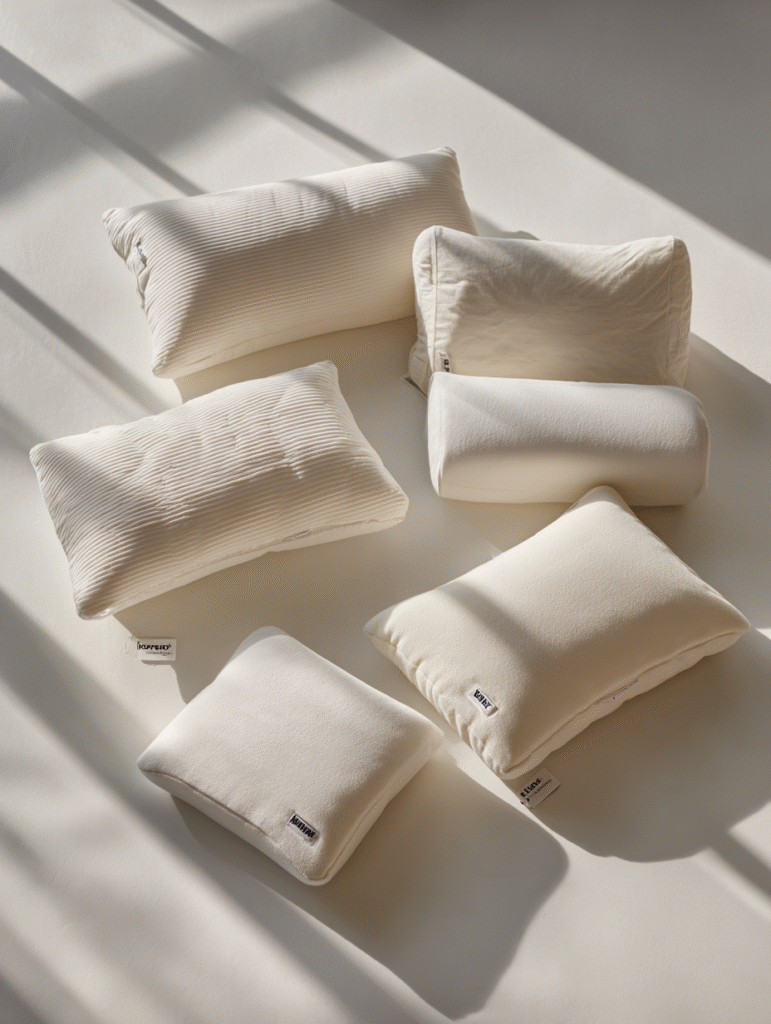
Each pillow in this guide supports your sleep goals by working with your position, not against it. Use this toolkit to get the most from the best sleep positions for seniors, whether you’re easing pain or just trying to wake up refreshed.
Sleep comfort also connects closely with overall healthy aging, so it fits naturally to include Best Diet for Seniors Over 70: Powerful Healthy Aging, Healthy Eating for Seniors: Complete Guide to Best Foods, Key Nutrients + 7-Day Plan, and Powerful Habits for a Longer Life After 60: Proven Tips That Truly Work.
Your Secret Weapon: Getting Into and Out of Position Safely
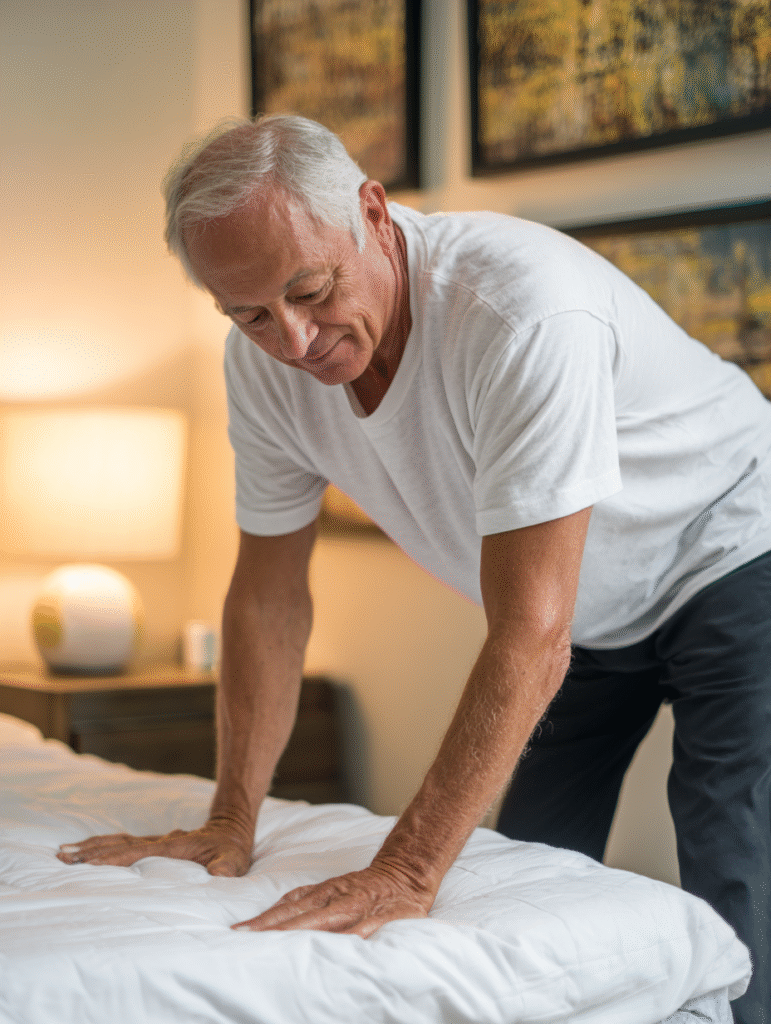
Even when you know the best sleep positions for seniors, getting into those positions can be a challenge. Stiff joints, muscle weakness, or balance issues make movement in bed difficult for many older adults. That’s why this section focuses on safe transitions that support your comfort and reduce injury risk.
Mobility matters just as much as alignment. If it hurts to lie down or get up, it can ruin the benefits of even the best sleep positions for seniors. The goal is to move slowly, with control, and avoid sudden twisting.
Physical Therapist’s Tip
Dr. Mark Daniels, D.P.T., advises, “Seniors should treat getting into bed like an exercise in safety. Moving deliberately protects the spine and keeps your muscles engaged.”
The “Log Roll” Technique
This gentle method helps protect your spine when getting into and out of bed.
To Lie Down:
- Sit on the edge of the bed with both feet flat on the floor.
- Slowly lower your head and shoulders onto the mattress while lifting your legs at the same time.
- Keep your body in a straight line as you roll onto your side or back, whichever of the best sleep positions for seniors you prefer.
To Get Up:
- Roll onto your side, keeping your knees together.
- Swing your legs off the bed while pushing your upper body up with your arm.
- Pause to sit for a moment before standing to avoid dizziness.
This method keeps the spine in a safe, neutral shape throughout the movement, which supports the effectiveness of the best sleep positions for seniors by minimizing strain.
Tips for Adjusting in Bed
- Use your legs to help reposition your hips without twisting your spine.
- Tighten your stomach muscles when shifting your body.
- If you have an adjustable bed, raise the upper section to help yourself sit up more easily.
- Keep a firm pillow nearby to help push or stabilize your body during turns.
The safest way to enjoy the best sleep positions for seniors is to pair them with thoughtful movements. These techniques let your body settle comfortably into position and help you avoid the injuries that can come from jerky or uneven motions. Getting in and out of bed should feel steady, pain-free, and secure.
Frequently Asked Questions
This section covers the most common concerns older adults and caregivers have about sleep posture. Each answer is based on expert advice and supports the best sleep positions for seniors. If you have specific issues like pain or breathing trouble, these answers can help guide you toward better rest.
What is the single healthiest sleeping position for a senior?
Side sleeping is widely seen as the healthiest and best sleep position for seniors. It supports spinal alignment, improves breathing, and reduces acid reflux. Adding a knee pillow and the right head support makes this position even more effective.
How can I stop my elderly parent from sleeping in a bad position?
Start by showing them the benefits of the best sleep positions for seniors, especially side or back sleeping. Use body pillows or cushions to prevent rolling onto the stomach. Make small changes to their pillow setup and mattress surface to encourage better comfort in healthier positions.
Is it bad for seniors to sleep in a recliner?
Sleeping in a recliner may provide relief for certain health issues like COPD or severe acid reflux, but it is not one of the best sleep positions for seniors long-term. Recliners can place uneven pressure on the spine and restrict movement. When possible, aim for side or back sleeping in a bed with proper support.
What’s the best sleep position for seniors with shoulder pain?
Side sleeping can work well, but not on the painful side. Place a pillow in front to hug or under the arm to relieve shoulder pressure. Back sleeping may also help, especially when using a body pillow for arm support. These setups follow the best sleep positions for seniors with joint problems.
Can an adjustable bed really help with sleep position and pain?
Yes, an adjustable bed helps fine-tune your body angle and pillow placement. It works especially well for back sleepers, making it easier to follow the best sleep positions for seniors with issues like snoring or GERD. Adjustable beds allow smooth changes in elevation to take pressure off certain areas without disrupting sleep.
Your Checklist for a Pain-Free Night
Before turning out the lights, use this simple checklist to make sure you’re fully set up for comfort. Each item supports the best sleep positions for seniors and helps reduce the risk of pain, poor alignment, or disrupted rest.
This list works as a nightly routine for better results over time. By following it, you reinforce the benefits of using the best sleep positions for seniors and create a system that supports your health every night.
✅ My head and neck are neutral on my pillow.
A proper head pillow keeps your spine aligned and avoids neck strain. This is a key element in all the best sleep positions for seniors.
✅ I have a supportive pillow between my knees (if side sleeping).
This keeps your hips aligned and eases pressure on the lower back. It’s one of the simplest yet most powerful adjustments in the best sleep positions for seniors.
✅ I have a supportive pillow under my knees (if back sleeping).
This support protects the natural curve of your spine and reduces tension in the lower back. It’s essential for making back sleeping one of the best sleep positions for seniors.
✅ I used the “log roll” technique to get into bed.
This gentle movement protects your back and joints. It’s the safest way to enter any of the best sleep positions for seniors without added strain.
✅ My goal is a pain-free morning.
A good night sets the tone for the day. Sticking to the best sleep positions for seniors helps you wake up refreshed and ready to move comfortably.
Using this checklist each night turns good habits into a long-term sleep solution. The best sleep positions for seniors are most effective when combined with routine, awareness, and the right tools. Let each step bring you closer to rest that truly restores your body.
Final Thoughts on Choosing the Best Sleep Positions for Seniors
Finding comfort at night doesn’t need to feel like guesswork. The best sleep positions for seniors are not just about what feels good in the moment. They are about waking up with less pain, better posture, and improved energy.
Throughout this guide, we’ve seen how side and back sleeping support key areas like the spine, joints, and airways. We’ve looked at the value of strategic pillow placement and the importance of safe movement in and out of bed. We’ve also explored how to adjust sleep positions for common health conditions.
If you’re struggling with restless nights or waking up sore, it may be time to rethink how you sleep. Small changes in body posture can create a major shift in how you feel each day. The best sleep positions for seniors offer real relief by working with the body, not against it.
Try using the checklist tonight. Make small adjustments based on what you’ve learned. Choose your pillow with care, follow the log roll method to get into bed, and give your body the support it deserves. Each of these steps builds a stronger foundation for deep, restful sleep.
The best sleep positions for seniors are simple, gentle, and built for long-term comfort. When your sleep supports your health, everything else becomes easier.
For broader support with comfort, mobility, and feeling better day to day, you can also include Chair Yoga for Seniors: 15 Safe Poses + 4-Week Plan (Beginner-Friendly), Chair Exercises for Seniors: 25 Safe Moves + 4-Week Plan (Beginner-Friendly, At-Home), Staying Active After Retirement: Brilliant Ways to Stay Happy and Strong, How to Age Gracefully: Proven Strategies for a Vibrant, Stress-Free Life, and 15 Key Signs of Depression in Older Adults and How to Help Them Heal.